World Food Books' programme is largely produced on Kulin Nation land. We acknowledge the Wurundjeri people of the Kulin Nation as the first and continuing custodians of this land, and pay respect to their Elders past, present, and emerging.
World Food Books is an arts and special interests bookshop in Naarm / Melbourne. Founded in 2010, World Food Books is devoted to the presentation of a rotating, hand-selection of international art, design, literary and counterculture publications with an emphasis on the anti-traditional, the experimental, the avant-garde, the heretic, the marginal.
Presenting new titles alongside rare and out-of-print books, catalogues and journals spanning the fields of modern and contemporary art, design, photography, illustration, film, literature, poetry, cultural theory, philosophy, sexuality, popular and underground culture in its many radical forms, World Food Books wishes to encourage adventurous, thoughtful and open-minded reading, looking, writing, and exchange of publishing and ideas, both current and historical.
As well as our bookshop, located in Melbourne's historical Nicholas Building, all of our inventory is available internationally via our online mail-order service.
World Food Books semi-regularly co-ordinates "Occasions", a programme of exhibits and events at the bookshop and in partnership with other hosts (such as museums and art galleries) that develop out of the activities, relationships and content of the bookshop itself.
World Food Books
The Nicholas Building
37 Swanston Street
Room 5, Level 6
Melbourne 3000
Australia
SHOP HOURS:
THU–SAT 12–6
WEB-SHOP OPEN 24/7
World Food Books
Postal Address:
PO Box 435
Flinders Lane
Victoria 8009
Australia
info@worldfoodbooks.com
Art
Theory / Essay
Architecture / Interior
Graphic Design / Typography
Photography
Fashion
Eros
LGBTQ+
Fiction / Poetry
Weird / Speculative / Science Fiction / Horror
Transgressive / Visceral / Abject
Symbolism / Decadence / Fin de siècle
Film / Video
Painting
Sculpture / Installation
Performance / Dance / Theater
Drawing
Sound / Music
Curatorial
Group Shows / Collections
Periodicals
Out-of-print / Rare
Posters / Ephemera / Discs
Signed Books
World Food Books Gift Voucher
World Food Book Bag
Australian Art
Australian Fiction
Australian Science Fiction / Speculative Fiction
Australian Poetry
Australian Photography
Japanese Photography
Conceptual Art
Minimal Art
Dada
'Pataphysics / Oulipo
Fluxus
Concrete Poetry
Pop Art
Surrealism
Arte Povera
Arte Informale / Haute Pâte / Tachism
Nouveau Réalisme / Zero / Kinetic
Situationism / Lettrism
Collage / Mail Art / Xerox Art
Art Brut / Folk / Visionary / Fantastic
Illustration / Graphic Art / Bandes Dessinées
Furniture
Italian Radical Design / Postmodernism
Textiles
Ceramics / Glass
Counterculture
Protest / Revolt
Philosophy
Psychoanalysis
Anthropology
Anarchism
Socialism / Anarchism / Communism / Capitalism
Literary Theory / Semiotics / Language
Feminism / Women's Studies
Gender Studies / Sexuality
Anthropology
Fetishism / BDSM
Drugs / Psychedelia
Crime / Violence
Animal Rights / Veganism
Occult / Esoterica
Ecology / Earth / Alternative Living
Whole Earth / Crafts
All prices in AUD (Australian dollars)
Pick-Ups
Pick-up orders can be collected in our bookshop during opening hours after order date. Please collect any Pick-up orders within 2 weeks of ordering as we have limited storage space. Orders will be released back into stock if not collected within this time. No refunds can be made for pick-ups left un-collected. If you cannot make it in to the bookshop in this time-frame, please choose postage option.
Return Policy
All sales are final. We do accept returns (for refund or exchange) for items received in error. All our orders are packed with special care using heavy-duty padding and cardboard book-mailers or bubble mailers (for smaller books), using reinforcement where required. We cannot take responsibility for any lost, stolen or damaged parcels.
Insurance
Should you wish to insure your package, please email us directly after placing your order and we can organise this at a small extra expense. Although all standard/express tracked packages are very safe and dependable, we cannot take responsibility for any lost, stolen or damaged parcels. We recommend insurance on valuable orders.
Interested in selling your old books, catalogues, journals, magazines, comics, fanzines, ephemera? We are always looking for interesting, unusual and out-of-print books to buy. We only buy books in our fields of interest and specialty, and that we feel we can resell.
We base these prices on desirability, market value, in-print prices, condition and our current stock levels. We offer cash, store credit, and can take stock on consignment. All
about 25% of the price we expect to get when we sell them, or 30% in store credit. We base these prices on desirability, market value, in-print prices, condition and our current stock levels.
Sell your books any day of the week. You can drop them off and return later. If you have a lot of books, we can visit your Sydney home.
We buy books that we feel we can resell. We offer about 25 % of the price we expect to get when we sell them, or 30% in store credit. We base these prices on desirability, market value, in-print prices, condition and our current stock levels.
Philadelphia Wireman
03 August - 01 September, 2018
World Food Books is proud to announce our next Occasion, the first presentation of sculptures by Philadelphia Wireman in Australia.
The Philadelphia Wireman sculptures were found abandoned in an alley off Philadelphia’s South Street on trash night in 1982. Their discovery in a rapidly-changing neighbourhood undergoing extensive renovation, compounded with the failure of all attempts to locate the artist, suggests that the works may have been discarded after the maker’s death. Dubbed the "Philadelphia Wireman" during the first exhibition of this work, in 1985, the maker’s name, age, ethnicity, and even gender remain uncertain. The entire collection totals approximately 1200 pieces, all intricately bound together with tightly-wound heavy-gauge wire (along with a few small, abstract marker drawings, reminiscent both of Mark Tobey and J.B. Murry). The dense construction of the work, despite a modest range of scale and materials, is singularly obsessive and disciplined in design: a wire armature or exoskeleton firmly binds a bricolage of found objects including plastic, glass, food packaging, umbrella parts, tape, rubber, batteries, pens, leather, reflectors, nuts and bolts, nails, foil, coins, toys, watches, eyeglasses, tools, and jewellery.
Heavy with associations—anthropomorphic, zoomorphic, and socio-cultural responses to wrapped detritus—the totemic sculptures by Philadelphia Wireman have been discussed in the context of work created to fulfil the shamanistic needs of alternative religions in American culture. Curators, collectors, and critics have variously compared certain pieces to sculpture from Classical antiquity, Native American medicine bundles, African-American memory jugs, and African fetish objects. Reflecting the artist’s prolific and incredibly focused scavenging impulse, and despite—or perhaps enhanced by—their anonymity, these enigmatic objects function as urban artefacts and arbiters of power, though their origin and purpose is unknown. Philadelphia Wireman, whatever their identity, possessed an astonishing ability to isolate and communicate the concepts of power and energy through the selection and transformation of ordinary materials. Over the course of the past two decades, this collection has come to be regarded as an important discovery in the field of self-taught art and vernacular art.
Presented in collaboration with Fleisher-Ollman Gallery, Philadelphia, and Robert Heald, Wellington.
Susan Te Kahurangi King
02 February - 10 March, 2018
Susan Te Kahurangi King (24 February 1951 - ) has been a confident and prolific artist since she was a young child, drawing with readily available materials - pencils, ballpoint pens and felt-tip markers, on whatever paper is at hand. Between the ages of four and six Susan slowly ceased verbal communication. Her grandparents William and Myrtle Murphy had developed a special bond with Susan so they took on caring responsibilities for extended periods. Myrtle began informally archiving her work, carefully collecting and storing the drawings and compiling scrapbooks. No drawing was insignificant; every scrap of paper was kept. The King family are now the custodians of a vast collection containing over 7000 individual works, from tiny scraps of paper through to 5 meter long rolls.
The scrapbooks and diaries reveal Myrtle to be a woman of great patience and compassion, seeking to understand a child who was not always behaving as expected. She encouraged Susan to be observant, to explore her environment and absorb all the sights and sounds. Myrtle would show Susan’s drawings to friends and people in her community that she had dealings with, such as shopkeepers and postal workers, but this was not simply a case of a grandmother’s bias. She recognised that Susan had developed a sophisticated and unique visual language and sincerely believed that her art deserved serious attention.
This was an unorthodox attitude for the time. To provide some context, Jean Dubuffet coined the term Art Brut in 1945 to describe work created by self-taught artists – specifically residents of psychiatric institutions and those he considered to be visionaries or eccentrics. In 1972 Roger Cardinal extended this concept by adopting the term Outsider Art to describe work made by non-academically trained artists operating outside of mainstream art networks through choice or circumstance. Susan was born in Te Aroha, New Zealand in 1951, far from the artistic hubs of Paris and London that Dubuffet and Cardinal operated in. That Myrtle fêted Susan as a self-taught artist who deserved to be taken seriously shows how progressive her attitudes were.
Susan’s parents Doug and Dawn were also progressive. Over the years they had consulted numerous health practitioners about Susan’s condition, as the medical establishment could not provide an explanation as to why she had lapsed into silence. Dawn educated herself in the field of homeopathy and went on to treat all twelve of her children using these principles – basing prescriptions on her observations of their physical, mental and emotional state.
Doug was a linguist with an interest in philosophy who devoted what little spare time he had to studying Maori language and culture. To some extent their willingness to explore the fringes of the mainstream made them outsiders too but it was their commitment to living with integrity and their respect for individuality that ensured Susan’s creativity was always encouraged.
Even though Susan’s family supported her artistic pursuits, some staff in schools and hospitals saw it as an impediment to her assimilation into the community and discouraged it in a variety of ways. Her family was not always aware of this and therefore did not fully understand why Susan stopped drawing in the early 1990s. However, rather than dwell on the challenges that Susan faced in pursuit of her artistic practice, they prefer to highlight her achievements. In 2008 Susan began drawing again in earnest, after an almost 20 year interruption, and her work is now shown in galleries around the world.
Susan grew up without television and has been heavily influenced by the comics she read as a child. She is absolutely fearless in the appropriation of recognizable characters, such as Donald Duck and Mickey Mouse, in her work. She twists their limbs, contorts their faces, compresses them together, blends them into complex patterned backgrounds - always imbuing them with an incredible energy. Although Susan often used pop culture characters in her work they are not naive or childlike. These are drawings by a brilliant self-taught artist who has been creating exceptional work for decades without an audience in mind.
Mladen Stilinović
"Various Works 1986 - 1999"
02 February 16 - September 10, 2016
Various works 1986 - 1999, from two houses, from the collections of John Nixon, Sue Cramer, Kerrie Poliness, Peter Haffenden and Phoebe Haffenden.
Including: Geometry of Cakes (various shelves), 1993; Poor People’s Law (black and white plate), 1993; White Absence (glasses, ruler, set square, silver spoon, silver ladel with skin photograph and wooden cubes), 1990-1996; Exploitation of the Dead (grey and red star painting, wooden painting, black spoon with red table, red plate), 1984-1990; Money and Zeros (zero tie, paintings made for friends in Australia (Sue, John, Kerrie), numbers painting), 1991-1992; Words - Slogans (various t-shirts) - “they talk about the death of art...help! someone is trying to kill me”, “my sweet little lamb”, “work is a disease - Karl Marx”; Various artist books, catalogues, monographs, videos; Poster from exhibition Insulting Anarchy; "Circular" Croatian - Australian edition; Artist book by Vlado Martek (Dostoyevsky); more.
Thanks to Mladen Stilinović and Branka Stipančić.
Jonathan Walker
Always Will Need To Wear Winter Shirt Blue + Ochre Small Check Pattern
21 August - 21 September, 2015
Untitled
I am not a great reader of poetry but I always return to the work of Melbourne poet, Vincent Buckley (1925- 1988). Perhaps I find his most tantalising piece to be not a finished poem but a fragment left on a scrap of paper discovered on his desk after the poet’s death.
The poetry gathers like oil
In the word-core, and spreads
It has its music meet,
Its music is in movement.
This fragment is more the shell left behind from a volatile thought than a finished poem. I find the last two lines honest but awkward whereas the first two lines work like an arrow. Most likely he could not find a resolution so it was left. Still, in its present form, it remains an eloquent testimony to the ultimate failure of a medium to express mobile thought and sensation, in Buckley’s case, through verbal language. It’s an important matter because this is something all artists have to deal with regardless of the medium.
I have never written a poem, however, I am forever copying fragments from books on paper scraps in a vain effort to fix certain notions in my head. At first, they function as bookmarks that are sometimes returned to when I open the book. But before long, as they accumulate, they fall out littering the table interspersed with A4 photocopies, bills, books and medications.
To return to Buckley’s fragment, the first two lines very much evoke how I paint nowadays. As you age, detail diminishes and patches of light become more luminous and float. I feel the most honest way of dealing with this is by smearing the oil paint on the canvas with the fingers and working close-up, blind. Only if the patches coalesce into an approaching image can the work gain a life.
-
Jonathan Walker was born in Melbourne, Australia and brought up on a dairy farm in Gippsland. In the 1970’s he studied painting at RMIT and won the Harold Wright Scholarship to the British Museum, London. During the 1980’s he exhibited at Pinacotheca Gallery, Richmond and had work shown at the NGV and Heidi City Art Gallery. Over the same period he designed the cover for the “Epigenesi” LP by Giancarlo Toniutti, Italy and conducted a mail exchange work with Achim Wollscheid, Germany. The work with artists through the post resulted in an article published in the bicentenary issue of Art and Australia 1988. He showed in artist run spaces such as WestSpace in the 90’s and 2000’s, and until 2012, taught painting at Victoria University, which is where we (Colleen Ahern and Lisa Radford) as organisers of the exhibition, among many others, had the privilege of being his student.
Walker’s knowledge was imparted to students through the careful selection of music, literature, and artists found in books that he himself had ordered for the library. Walker’s strategy was the generosity of sharing his vast knowledge with references specific to each student and their context.
Walker’s paintings share a similar focus and intimacy.
This exhibition presents a small selection of recent paintings alongside a publication that includes Walker’s writing. Observational and analytical, Walker’s work is a type of material notation — the time of day, colour and how it is blended, the both specific and fleeting location of a reflection on lino or the question of whether a chair leg should be included in a painting.
Please join us on Friday August 21 between 6-8pm to celebrate the opening of the exhibition.
Curated by Colleen Ahern and Lisa Radford.
B. Wurtz
Curated by Nic Tammens
March 26 - April 4, 2015
B.Wurtz works from a basement studio in his home on Manhattan’s Lower East Side.
This local fact is attested to by the plastic shopping bags and newsprint circulars that appear in his work. As formal objects, they don’t make loud claims about their origins but nonetheless transmit street addresses and places of business from the bottom of this long thin island. Like plenty of artists, Wurtz is affected by what is local and what is consumed. His work is underpinned by this ethic. It often speaks from a neighborhood or reads like the contents of a hamper:
“BLACK PLUMS $1.29 lb.”
“Food Bazaar”
“USDA Whole Pork Shoulder Picnic 99c lb.”
“RITE AID Pharmacy, with us it’s personal.”
“H. Brickman & Sons.”
“Sweet Yams 59c lb."
Most of the work in this exhibition was made while the artist was in residence at Dieu Donne, a workshop dedicated to paper craft in Midtown. Here Wurtz fabricated assemblages with paper and objects that are relatively lightweight, with the intention that they would be easily transportable to Australia. This consideration isn’t absolute in Wurtz’s work, but was prescriptive for making the current exhibition light and cheap. Packed in two boxes, these works were sent from a USPS post office on the Lower East Side and delivered to North Melbourne by Australia Post.
Wurtz appears courtesy of Metro Pictures, New York.
Thanks to Rob Halverson, Joshua Petherick, Sari de Mallory, Matt Hinkley, Helen Johnson, Fayen d'Evie, Ask Kilmartin, Lisa Radon, Ellena Savage, Yale Union, and "Elizabeth".
John Nixon
"Archive"
December 15 - January 20, 2014
The presentation of John Nixon's archive offered a rare showcase of this extensive collection of the artist's own publications, catalogues, posters, ephemera, editions and more, from the mid 1980s onwards, alongside a selection of his artworks.
Organized by John Nixon, Joshua Petherick and Matt Hinkley.
"Habitat"
at Minerva, Sydney (organised by Joshua Petherick and Matt Hinkley)
November 15 - December 20, 2014
Lupo Borgonovo, Janet Burchill & Jennifer McCamley,
Lewis Fidock, HR Giger, Piero Gilardi, Veit Laurent Kurz,
Cinzia Ruggeri, Michael E. Smith, Lucie Stahl, Daniel Weil, Wols
Press Release:
“...It contained seven objects. The slender fluted bone, surely formed for flight, surely from the wing of some large bird. Three archaic circuitboards, faced with mazes of gold. A smooth white sphere of baked clay. An age-blackened fragment of lace. A fingerlength segment of what she assumed was bone from a human wrist, grayish white, inset smoothly with the silicon shaft of a small instrument that must once have ridden flush with the surface of the skin - but the thing’s face was seared and blackened.”
William Gibson, “Count Zero”, 1986
"Autumn Projects Archive"
Curated by Liza Vasiliou
March 6 - March 15, 2014
World Food Books, in conjunction with the Virgin Australia Melbourne Fashion Festival 2014, presented the Autumn Projects archive, consisting of a selection of early examples in Australian fashion with a particular interest in collecting designers and labels from the period beginning in the 1980’s, who significantly influenced the discourse of Australian Fashion.
Curated by Liza Vasiliou, the exhibition provided a unique opportunity to view pieces by designers Anthea Crawford, Barbara Vandenberg, Geoff Liddell and labels CR Australia, Covers, Jag along with early experimental collage pieces by Prue Acton and Sally Browne’s ‘Fragments’ collection, suspended throughout the functioning World Food Books shop in Melbourne.
H.B. Peace
presented by CENTRE FOR STYLE
November 14, 2013
"Hey Blinky, you say chic, I say same"
Anon 2013
H.B. Peace is a clothing collaboration between great friends Blake Barns and Hugh Egan Westland. Their pieces explore the divergences between 'character’ and ‘personality’ in garments....etc
Special Thanks to Joshua Petherick and Matt Hinkley of WFB and Gillian Mears
and a Very Special Thank you to Audrey Thomas Hayes for her shoe collaboration.
Janet Burchill & Jennifer McCamley
"Aesthetic Suicide"
May 10 - June 8, 2013
The first of our occasional exhibitions in the World Food Books office/shop space in Melbourne, "Aesthetic Suicide" presented a body of new and older works together by artists Janet Burchill & Jennifer McCamley, including videos, prints, a wall work, and publications.
During shop open hours videos played every hour, on the hour.
1992, English
Softcover (w. dust jacket), 140 pages, 26 x 20 cm
1st Edition, Out of print title / used / very good
Published by
MIMA / Melbourne
$35.00 - Out of stock
Scarce catalogue edited by Adrian Martin and published in 1990 to accompany experimenta — A Major Survey of Film and Video Art, Melbourne, November 20—December 4, 1990, presented by Modern Image Makers Association Inc. (MIMA) and founded in 1988. Showcasing Australian video art, media art, installation and performance works.
Contents include: An introduction to Experimenta 1992 by Lizzette Atkins, Of Prisms and Tools: The Possibility of an Avant Garde by Vikki Riley, Australian Screenings, Introduction by Steven Ball, Opening Night, Signposts To The Imagination Re-animated; (re)constructing an art, Techknowledge, Dusan Marek's Cobweb On A Parachute — Essay by Arthur Cantrill, David Perry's The Refracting Glasses, Interview with David Perry, Passionate Uncertainty, Text and Textures, Engineering Memory: Views of History, Politics, Culture and Geography, Helical Scans: Diverse Ways of Seeing (Video) Programme 1 and 2, One Way Street: Fragments for Walter Benjamin, Sound and Image, Experience and The Other, The Fall Of The Berlin Wall, The Open 'Iron Curtain' and Post-Socialist Drama, Artists seen by artists, Die Mauer—The negative horizon, The Czech Avant Garde 1911-1941 essay by Jaroslav Andel, Programme 1, Programme 2, Video Programmes From 'New Europe' curated by Heiko DaxI, U.K., Intimate Imaginaries, Artist Screening: Michael Maziere, Slow Glass, U.S.A., Shalom Gorewitz-Experimental Television Center, New York, WAX, or the discovery of television among the bees, Flesh Histories, Programme 1, Programme 2, Japan, Emotional Wave: Image Network Japan, V.I.E.W., Shinya Tsukamoto's Tetsuo: The Iron Man, Interview with Shinya Tsukamoto, Performance: Introduction by Jeffrey Fereday, Artist statements, Installation: Introduction by Jennifer Phipps, Artist statements, Medienkunst—A survey of German, installation art— introduction by Heiko Daxl, Medienkunst-Artist statements, Special Events, Noisefest 2, Techno Garden, Century Endings - An Afternoon of Performance in the Great Hall, Seminars and Talks, Essays: Video As Art: Personal Observations From New York by Shalom Gorewitz, Some Thoughts on the German State of Things: Teaching Video by Ingo Petzke, An Attempt Toward The Anti-Oedipus-Japanese Video Art After The '80s by Junji Ito, Schedule of events, Artist index, Title index...
Includes the work of Arthur and Corinne Cantrill, Arf Arf, Ian Haig, GANG, Jun Kurosawa, Warren Burt, Chris Mann, Anne Ferran, Sadie Benning, Michelle Handelman, Monte Cazazza, Pete Spence, Fiona MacDonald, Cyber Dada Manifesto, Dale Nason, Troy Innocent, Dusan Marek, Critical Art Ensemble, John Maybury, David Perrt, Steven Ball, Karel Hašler, Otakar Vávra, Jiří Lehovec, Michael Maziere, David Blair, Danny Fass, Joe Kelly, Shelly Silver, Laurens Tan, John Gillies, and many more.
VG copy light wear to extremities/DJ.
1990, English
Softcover (staple-bound), 54 pages, 30 x 21 cm
1st Edition, Out of print title / used / very good
Published by
MIMA / Melbourne
$25.00 - Out of stock
Scarce catalogue edited by Adrian Martin and published in 1990 to accompany experimenta — A Major Survey of Film and Video Art, Melbourne, November 20—December 4, 1990, presented by Modern Image Makers Association Inc. (MIMA) and founded in 1988. Showcasing Australian video art, media art, installation and performance works, this iteration also included programs of Lettrist Cinema and French Avant-Garde film from the 1980s. Illustrated throughout with information on all of the works, accompanied by essays: Adrian Martin – "The Adventures of Form", John Conomos – "Video as Moonlighting", Christian Lebrat – "The Lettrist Cinema of the 1950s", Vikki Riley – "The Picture Can't Get Any Louder", John Flaus – "In the Eye's Mind - Paul Winkler Retrospective.
Includes the work of Arthur and Corinne Cantrill, Maria Kozic and Ian Haig, Peter Callas, Josko Petkovic, Edward Colless, Tona Keane, Arf Arf, Shelley Lasica, Peter Tyndall, Gerald Murnane, William Yang, John Nixon, Primary Source, Warren Burt, Chris Mann, Stelarc, Pete Spence, Philip Brophy, David Cox, Maurice Lemaitre, Frederique Devaux, Cyber Dada Manifesto, Dale Nason, Troy Innocent, Lydia Lunch, Foil, Swans, Einsturzende Neubauten, Butthole Surfers, Violinda, Steven Ball, and so many more...
VG copy light wear to extremities.
1996, English
Softcover, 116 pages, 21 x 15 cm
Ed. of 300,
1st Edition, Out of print title / used / good
Published by
ACCA / Melbourne
$45.00 - In stock -
Very rare copy of Transgression And The Culture Industry — Critical Media: Perspectives On New Technologies, the book document of The Gordon Darling Foundation Seminars 1995, with guest convenors Denise Robinson and Julianne Pierce (VNS Matrix), presenting the papers from seminars held at the Australian Centre For Contemporary Art, Melbourne, 8 April—7 October 1995.
Contents:
"Introduction" – Denise Robinson, "Duchamp's Queer Signature" – Rex Butler, "Transgression And The Culture Industry (Australia/1995)" – Lesley Stern, "The Art Curator, Our Cultural Transponder" – Juan Davila, "Normalizing Transgression" – David M. Halperin, "Introduction" – Julianne Pierce, "The Indifference Engine – 1990s Culture And The Corporate Imagination" – David Cox, "Observations" – Linda Wallace, "The Amazing Mcscent™ Machine" – Bridget Mcgraw, "Rehearsal Of Memory" – Graham Harwood.
"This one day symposium is a response to the sliding formations of the concept of 'transgression', as it is appropriated, mobilised or mutated by our contemporary cultural institutions. The event comprised two elements. A two hour film screening of short films included a selection from 1964 by New York underground film maker, Kenneth Anger and a selection of recent contemporary films from Australia by Christopher Ryan and Leone Knight. A second element involved a presentation of papers published here by Rex Butler, Juan Davila, David Halperin and Lesley Stern. The papers were not intended to act as a commentary of the films or the films to reflect the papers, rather the co-existence of these elements were to function more like a folding of the languages of cinema and visual art: as one possible means of illuminating the effects of the historicisation of 'transgressive strategies in relation to the Culture Industry."—DENISE ROBINSON, Introduction
Good copy with sunned spine edge, crease to back cover corner.
2025, English
Softcover, 116 pages, 14.7 x 10.5 cm
Published by
Everyday Analysis / UK
$18.00 - In stock -
Patricia Gherovic takes as a model Jacques Lacan’s 1964 seminar in which he presented four fundamental concepts of psychoanalysis, the unconscious, repetition, the transference, and the drive.[i] In a similar manner, it reflects on some key concepts that underpin the author’s clinical work as a psychoanalyst with trans-identified analysands. It argues for the re-discovery of four terms that expand Lacan’s central insights and apply to the question of trans today.
The first one is that of realness and it develops Lacan’s notion of the Real as not identical with reality; realness is often used by trans persons to describe the authenticity of their gender performance for it is a supreme truth beyond any verification. The second concept is the concept of plasticity as developed by Catherine Malabou and applied to Schreber’s case discussed by Freud and Lacan. Plasticity leads to a conversation about beauty and its function in trans discourse. The third concept is that of the nothing articulated with a certain type of laughter, a nothing introduced by Democritus and discussed by Barbara Cassin, Alain Badiou and Madlen Dolar. Lacan famously identified the “nothing” as one of the objects of psychoanalysis. I push the analysis to the point where one can understand a wish to “not being” (as found in suicide) as leading to the goal of “being again.” The meden was deployed by Barbara Cassin in her book Lacan the Sophist, and in discussion with Alain Badiou. Finally, the last concept is that of the clinamen or turbulence in atomic philosophy (Lucretius) and in contemporary discourse; this turbulence throws new light on the role of accidents, and how accidents can turn into destiny (tuché). The classical concepts of the clinamen and turbulence have been explored systematically by Michel Serres. This turbulence echoes with Lacan’s notion of the sinthome as a symptom that does not need to be cured but leads to a re-creation of oneself that makes life livable.
Offering a new twist to philosophical references the author discussed in Transgender Psychoanalysis (2017). Taken together, these four clusters of concepts provide a foundation for Gherovici’s thinking about psychoanalysis. She rethinks Lacan’s notions of the Real, the nothing, the endless transformations of the body that pertain to plasticity, the clinamen, the death drive - all of which are shown to be key to her understanding of the trans experience as revealed in her clinical practice.
1987, Japanese
Softcover, 168 pages, 13 x 18 cm
1st Edition, Out of print title / used / very good
Published by
Fiction Inc. / Tokyo
$70.00 - Out of stock
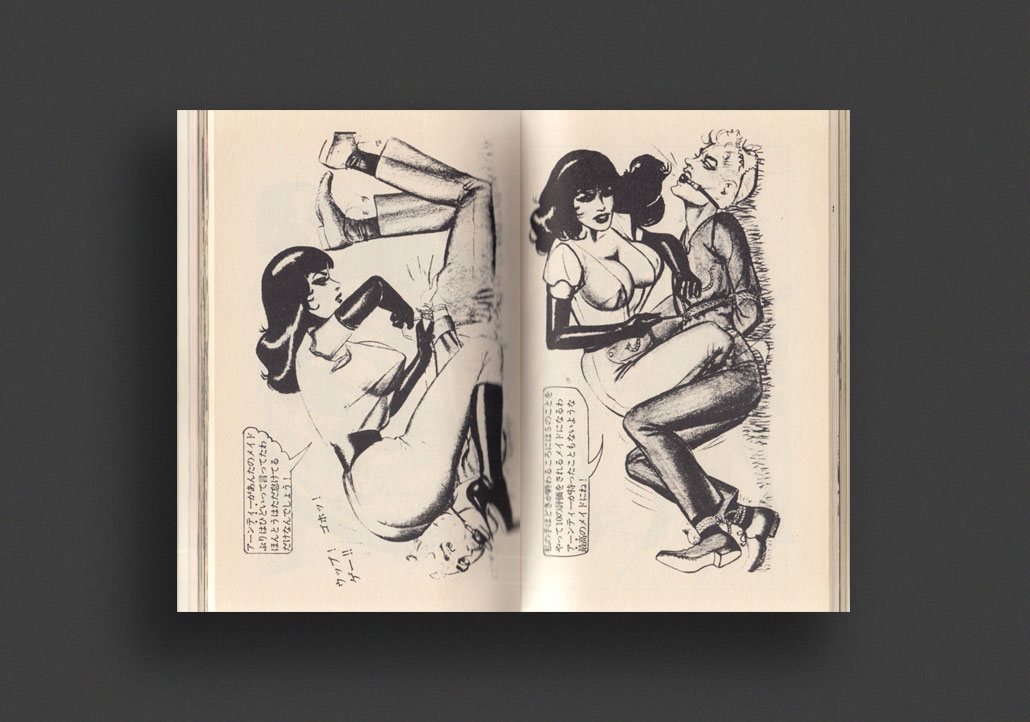
Issue No.30 of the great SALE2 periodical from Tokyo Japan, founded in 1984 by Makoto Orui, who later became art director for Purple magazine in France and Rockin’on magazine in Japan. SALE2 was active for about 14 years during the 1980s—1990s, published regularly as a sort-of fanzine/journal/catalogue/pocket-book by Fiction, Inc., a specialty shop and publisher of fetish and erotica in Tokyo in the 1980-90s. With Orui's distinct design SALE2 developed an exclusive curated editorial set on ‘erotisism and its spiritual philosophy’, with each issue exploring different themes and features, heavy on fetishism and erotic art.
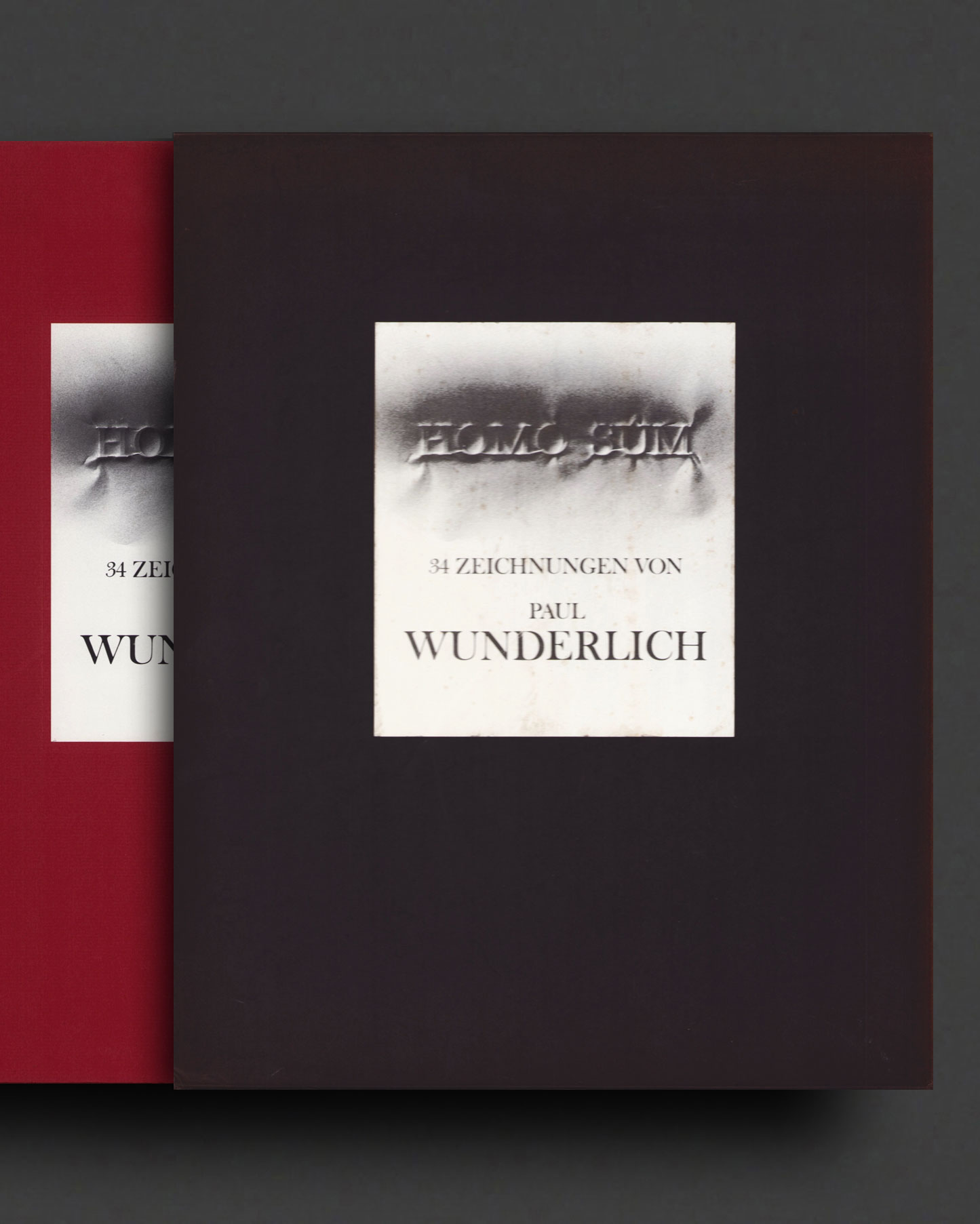
Issue No.30, the "Special Issue" features Hans Bellmer, Leonor Fini, Richard Cerf, Gilles Deleuze, Michel Foucault, Paul Wunderlich, Robert Maplethorpe, Andy Warhol, Man Ray, Lewis Carroll, John Willie, Bernard Montorgueil, Guido Crepax, Van Rod, Carlo, Betty Page, Tealdo, clippings from periodicals such as Amateur Bondage, Bondage Life, Bondage Fantasies, Bizarre Comix, Bizarre Classix, Bizarre Fotos, and much more...
Very heavily illustrated throughout with erotic photography and artwork, all texts in Japanese.
Very Good copy with tanning to pages.
1966, English
Hardcover (w. dust jacket), 320 pages, 22 x 15 cm
1st UK Edition, Out of print title / used / good
Published by
Anthony Blond / London
$80.00 - In stock -
Rare first UK 1966 hardcover edition of Genet's classic, translated from French by Gregory Streatham, published by Anthony Blond, London.
Jean Genet, French playwright, novelist and poet, turned the experiences in his life amongst pimps, whores, thugs and other fellow social outcasts into a poetic literature, with an honesty and explicitness unprecedented at the time. Widely considered an outstanding and unique figure in French literature, Genet wrote five novels between 1942 and 1947. Querelle of Brest is widely considered to be Jean Genet's most accomplished novel, which was made into a film by Rainer Werner Fassbinder in 1982. Querelle, a young sailor at large in the port of Brest, is an object of illicit desire to his diary-keeping superior officer, Lieutenant Seblon. He is coveted, too, by corrupt policeman Mario. He gives himself freely both to brothel-keeper Madame Lysiane and to her husband. But Querelle is a thief and a murderer -- not a man to be trusted or trifled with . . .
Jean Genet, (born Dec. 19, 1910, Paris, France-died April 15, 1986, Paris), French criminal and social outcast turned writer who, as a novelist, transformed erotic and often obscene subject matter into a poetic vision of the universe and, as a dramatist, became a leading figure in the avant-garde theatre, especially the Theatre of the Absurd.
Good copy in Good dust jacket, some wear to dj extremities, small closed tears, foxing to block edge and inner dj. Preserved in mylar wrap.
2010, English
Softcover, unpaginated, 22.5 x 18.5 cm
1st Edition, Out of print title / as new
Published by
PowerHouse / New York
$30.00 - In stock -
With The Night Is Still Young, Los Angeles-based, Japanese photographer Tomoaki Hata returns to his roots—the underground club scene of Osaka's gay, nightlife district. Filled with intimate images of the radically—creative drag queens who performed at various venues in the city from the late 1990s through the present, this book is a peek into the underbelly of modern Japan.
Hata occupies a much-deserved place in the ranks of the great Japanese photographers—on par with the likes of Daido Moriyama and Nobuyoshi Araki—yet he achieved this rank not by following the example of these greats, but via the presentation of his own unique view of a slice of Japanese culture that otherwise remains largely undocumented. Gay life and culture in Japan remains mostly secretive, and tends to take place within the safe confines of gay bars and gay districts that are many times hidden in plain view within the entertainment districts of major urban centers. A passionate and intimate portrayal of the gender-bending performers as they cavort, both on and off the stage, Hata exposes this elusive subculture for the entire world to see. The results are campy and combustible images of drag performers going full tilt. Glitter, glamour, sequins, and seediness are all on display, up-close and unrestrained.
Including an essay on Hata's photographs-and the world they examine—The Night Is Still Young captures and contextualizes drag culture in Japan at the turn of the century, and is the ultimate primary-source document of this otherwise obscure scene.
2009, English
Softcover, 156 pages, 24 x 16.8 cm
Published by
Walther König / Köln
$78.00 - Out of stock
There are some artists who are never forgotten simply because other artists will constantly cite them as examples. Paul Thek (1933-1988) is one such artist. Revered for his disarming humor and irreverent handling of artworld proprieties, and much lamented for his premature death from AIDS at the age of 55, the likes of Vito Acconci, Bruce Nauman, Mike Kelley, John Miller, Paul McCarthy, Kim Gordon and Matthew Barney have all sung his praises. Tales the Tortoise Told Us is a three-part Thek compendium, composed of writing by Margit Brehm, Axel Heil and Roberto Ort (who discuss the artist's ambivalent relationship with his homeland, and Thek's odd place in the Beat and Hippie generation), a large spread of reproductions of Thek works and a chronologically-arranged survey of works from 1963 up to the artist's death in 1988.
2025, English
Softcover, 96 pages, 22.8 x 15.2 cm
Published by
Nightboat Books / New York
$40.00 - Out of stock
Perverts traverses the psychic landscapes of Kay Gabriel and her community of friends, writers and organizers, piecing together a collective dream that both mirrors and transforms waking life.
Against the backdrop of the anti-trans panic, Perverts explores desire as a political problem. It asks two questions at the same time: whose desire is understood as dangerously excessive? And—a classic organizer’s question—how do we turn what we have into what we need to get what we want? Synthesizing her own dreams with those of her friends, Kay Gabriel’s Perverts is an exercise in turning private experience into shared consciousness and illicit desire into common cause.
“Kay Gabriel has written an anti-epic for our current moment, bringing contemporary queer community into being with lyric verve amid and in resistance to our ongoing catastrophe.”—John Keene
“Perverts is a gorgeous multicolored quilt of the subconscious of others, a pleasure, a riot . . . a gift.”—Hannah Black
Kay Gabriel is a writer and organizer. She’s the author of Perverts (2025), Kissing Other People or the House of Fame (2023), and A Queen in Bucks County (2022). She’s the Editorial Director at the Poetry Project in New York City.
2018, English
Softcover, 224 pages, 14 x 21.8 cm
Published by
Seven Stories Press / New York
$35.00 - Out of stock
Introduction by Tobi Haslett
"This story, if it is one, deserves the closure of a suicide, perhaps even the magisterial finality of what is usually called a novel, but the remnants of that faraway time offer nothing more than a taste of damp ashes, a feeling of indeterminacy, and the obdurate inconclusiveness of passing time." So writes the unnamed narrator of Horse Crazy, looking back on a season of madness and desire. The first novel from the brilliant, protean Gary Indiana, Horse Crazy tells the story of a thirty-five-year-old writer for a New York arts and culture magazine whose life melts into a fever dream when he falls in love with the handsome, charming, possibly heroin-addicted, and almost certainly insane Gregory Burgess. In the derelict brownstones of the Lower East Side in the late eighties, among the coked out restauranteurs and art world impresarios of the supposed "downtown scene," the narrator wanders through the fog of passion. Meanwhile, the AIDS epidemic is spreading through the city, and New York friendships sputter to an end. Here is a novel where the only moral is that thwarted passion is the truest passion, where love is a hallucination and the gravest illness is desire.
“Horse Crazy is a sad, insane journey of infatuation and love. Frustrating to the bitter end—where all that is left is truth.” – Tracey Emin
“An archetypical story, expertly told. Fascinating to every man, no matter what his sexual tastes—like the characters in Genet.” – William S. Burroughs
“Sex, hypocrisy, solitude, loss, the punitive affinities that swallow the self—these are Gary Indiana’s themes, jingling through his books like money in Balzac. But rumbling beneath the malice is a melancholy yearning, a mind groping vulnerably for a human link.” – Tobi Haslett, from the introduction
2018, English
Softcover, 240 pages, 21 x 14 cm
Published by
Seven Stories Press / New York
$35.00 - In stock -
“A novel too weird and perverted and frankly minacious to stay in print, too unforgettable not to be reissued.”—Sarah Nicole Prickett, from the introduction
The narrator of Gone Tomorrow is an actor who has been cast in an unlikely art film set in Colombia. But from the moment he arrives at the airport in Bogota, only to witness a policeman beat a beggar half to death for no apparent reason, it becomes clear that this will not be the story of gritty bohemians triumphing against the odds. The director, Paul Grasvenor, seems more interested in manipulating his cast than shooting film. The cult star, Irma Irma, is a vamp too bored and boring to draw blood. And the incomparably beautiful Michael Simard doesn't seem to be putting out. Meanwhile, the film's shady financier appears to be sleeping with his mother, and a serial killer is skulking around the area killing tourists. Everything comes to a head when the carnaval celebration comes to nearby Cali. But once the fiesta comes to an end, all that's left is the memory and the narrator's insistence on telling the tale. "Unlike the majority of pointedly AIDS-era novels," writes Dennis Cooper, "Gone Tomorrow is neither an amoral nostalgia fest nor a thinly veiled wake-up call hyping the religion of sobriety. It's a philosophical work devised by a writer who's both too intelligent to buy into the notion that a successful future requires the compromise of collective decision and too moral to accept bitterness as the consequence of an adventurous life."
“Horribly refreshing, like an ice-cold glass of acid on a sweltering summer day . . . Indiana writes with an art critic’s eye for detail and a poet’s ear for language.” –Philadelphia Inquirer
“A disturbing, vivid, and brutal novel that succeeds in its dizzy mix of genres and influences. Not for the prudish, though.” –Kirkus Reviews
“Amazingly perverse, savagely amusing, unflinchingly serious. It may be in fact be the first really serious work of the imagination to come out of the AIDS catastrophe.” –Michael Herr, author of Dispatches
1974, English
Softcover, 218 pages, 22.2 x 13.3 cm
1st Edition, Out of print title / used / very good
Published by
E P Dutton / New York
$65.00 - Out of stock
Scarce first 1974 Dutton edition of Dworkin’s seminal debut which argued that a deep-rooted hatred of women reigned society for centuries – and still governs us today.
‘This book is an action, a political action where revolution is the goal’
Andrea Dworkin’s blazing, prophetic debut argued that a deep-rooted hatred of women has been ingrained in society for centuries – and still governs us today. From fairy tales to erotic novels to witch-burnings, she uncovers the ways in which male violence and oppression have been normalized throughout history, and points the way to liberation.
"... a bold and visionary book.... Her ideas are powerful and dangerous."—Phyllis Chesler
"Reading a fairy tale after reading Woman Hating will never be the same. Nor will the phrase 'they lived happily ever after.'"—Ellen Frankfort
"To see where we are going we must understand where we have been. Woman Hating is a much needed and long overdue addition toward that understanding."—Audre Lourde
"The very fact of Dworkin's book, its abrasive, outrageous quality, its ability to generate so much abuse, anger, warfare—is testament to its power."—Kate Millett
"This book is fast, pure, and angry. Just reading the chapter on foot-binding or the Story of O could turn a reader into a revolutionary."—Gloria Steinem
Very Good copy, light foxing to block edges, spine sunned no creasing, tight binding.
1993, English
Hardcover (w. dust jacket), 188 pages, 24 x 16 cm
1st Edition, Out of print title / used / fine
Published by
St. Martin's Press / New York
$120.00 - In stock -
First 1993 edition in rare hardcover.
When the definitive history of the emergence of gay culture in the second half of the twentieth century is written, one individual artist is almost certain to be acknowledged for having singlehandedly shaped the erotic imagination of generations of gay men: the Scandinavian illustrator Tom of Finland.
Working alone and in secret in a far-off land, the remarkable drawings that sprang from this artist's hands—leathermen-bikers, cow-boys, cops, lumberjacks, hardhats, soldiers, and sailors—become archetypal images that delineated the shape of homoerotic desire.
With Tom's full cooperation in the years before his death, F. Valentine Hooven Ill has written a full biography of the man, while tracing the evolution and impact of his art on the world.
"Tom of Finland is one of the gay world's few authentic icons. For over thirty years his drawings have appeared in gay magazines and circulated in pirate editions. His men have entered the fantasy life of thousands, and his vision has influenced such artists as Robert Mapplethorpe, Bruce Weber, and Rainer Werner Fassbinder."—Out/Look
Fine copy in Fine DJ.
1981, Japanese
Softcover (w. vinyl dust jacket + pin-up), unpaginated, 28 x 21 cm
1st Edition, Out of print title / used / very good
Published by
Byakuya Shobo / Tokyo
$300.00 - In stock -
"Bite me. Hate me. Bine me. Fuck me.
Please whip me more strong. One, sir. Two, sir. Three, sir. Hmm ah ha...."
—from the back cover.
Seldom seen, remarkable 1981 Japanese photo book by little known Japanese photographer Tetsuji Shimizu — an immersive exploration of the gay scene in San Francisco in 1980, brilliantly designed by Teruhiko Yumura (King Terri, Terrible Terri, etc.)! Rare even in Japan.
Published by Byakuya Shobo, this glossy, vinyl jacket-bound photo book is similar in format to Seiji Kurata's "Flash Up," published around the same time. While visiting New York, Shimizu was astounded by the sights of Christopher Street, the epicenter of LGBT culture. He traveled to the West Coast through word of mouth and immersed himself in the gay culture there, capturing the night-life of Castro and Folsom Streets with his camera — the leather daddies, the bondage dungeons, the bars, and back at the apartments. The impact of the images was so great that it inspired Shimizu to become a photographer. This is such a unique book that Nobuyoshi Araki said, "As I looked through this photobook, I wanted to become a subject myself."
The book also includes a fold-out pin-up, a chapter of intimate black and white close-up erotic scenes, polaroids and Kodachrome slide photo albums documenting the daily lives of friends in the SF scene — the boyfriends, the queens, the bears, fetish shops, sex toys, poppers and wardrobes, a chapter of reproductions of sex toy catalogues illustrated by the great San Francisco illustrator Rex, plus wild erotic artworks from Martin/Hottman/Teruhiko Yumura, master of the punk manga movement and the heta-uma illustration aesthetic.
Very Good copy in original publishers vinyl jacket. As common with old Japanese books preserved in these original plastic dust jackets, they shrink with age and here it has caused the back cover to partially crease.
2003, Japanese
Softcover, 160 pages, 24 x 18 cm
1st Edition, Out of print title / used / fine
Published by
Atelier Peyotl / Tokyo
$60.00 - Out of stock
"Gothic" Special Feature Issue of cult Japanese underground magazine Yaso, published in 2003, edited by Yuichi Konno and Atelier Peyotl (publishers of Night Vision/Yaso/Peyotl/Wave/Silvester Club...). Heavily illustrated with texts in Japanese with in-depth profiles, interviews with and essays on Trevor Brown, Gottfried Helnwein, Kuniyoshi Kaneko, ero-manga master Keizo Miyanishi, influential Gothic Lolita illustrator Mitsukazu Mihara, Floria Sigismondi, Marilyn Manson, Alice Auaa, loads of "Modern Primitive" material (piercing, body modification, body performance, etc.), and much more...
Near Fine copy.
1987, English
Softcover, 154 pages, 19.5 x13 cm
Out of print title / used / good
Published by
Penguin Books / London
$25.00 - In stock -
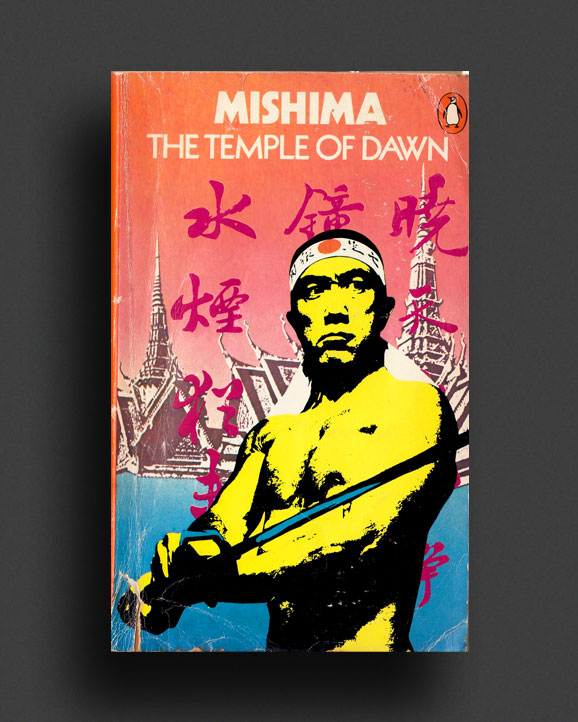
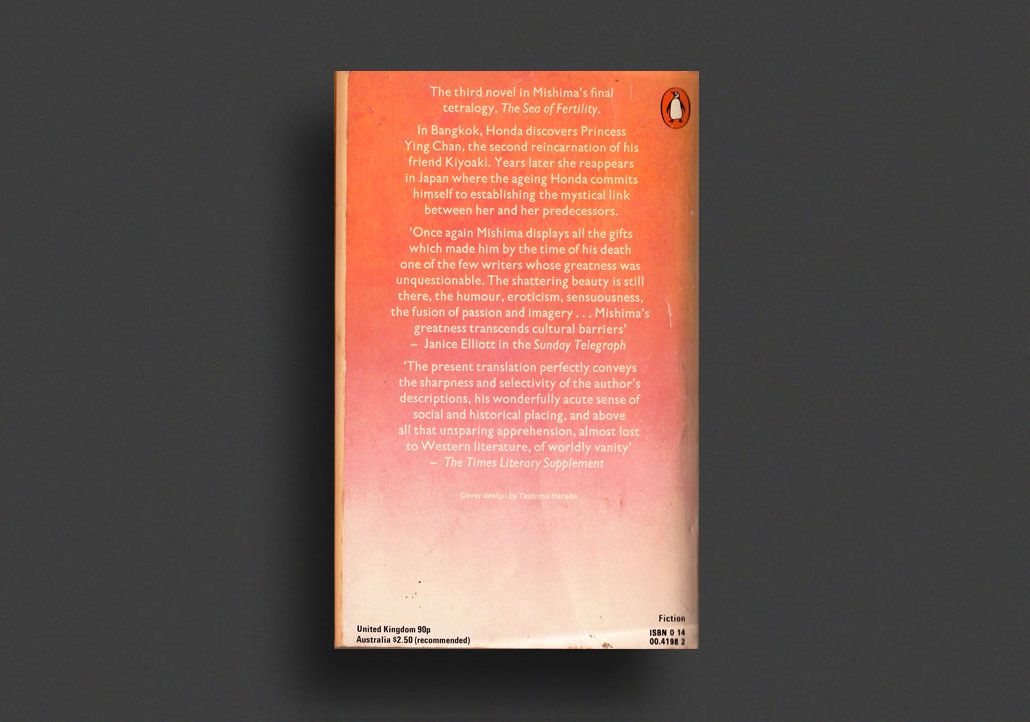
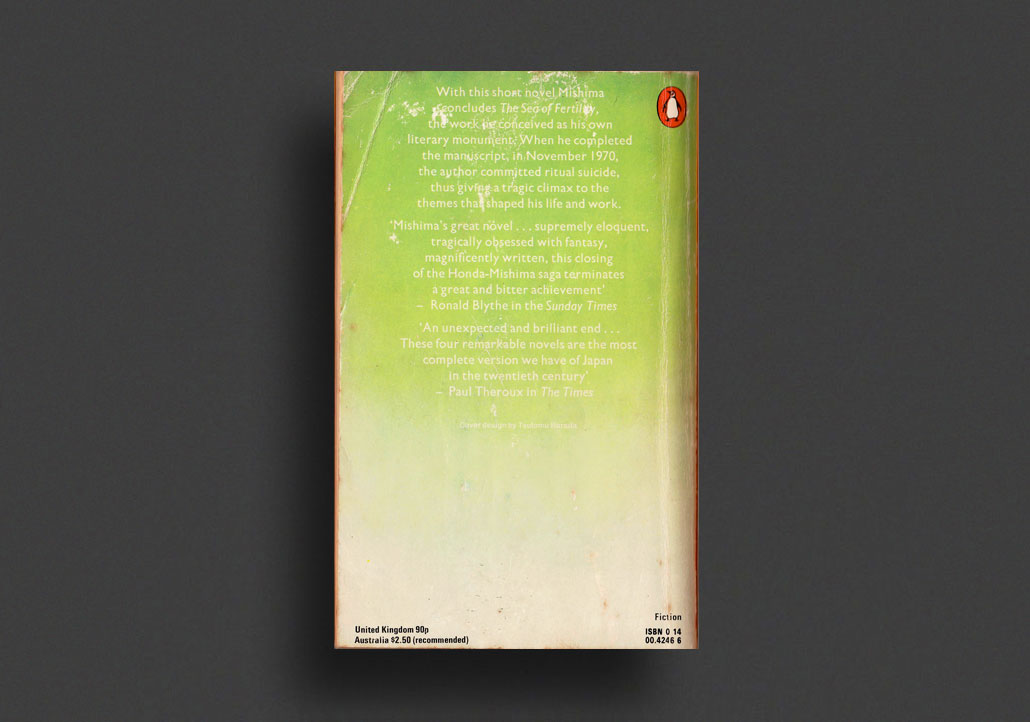
"Before her husband's death, Etsuko had already learnt that jealousy is useless unless it can be controlled.
So when she arrived as a young widow at her late husband's family farm near Osaka, Etsuko resolved to hold her emotions in check, silently tolerating the nocturnal embraces of her father-in-law as she nursed a new, secret passion. Saburo was only a simple farm hand, but she knew that her feelings for this beautiful, simple youth were the only real feelings she had. All that mattered was that she should convey their reality to him – and be answered. Jealousy, love, passion, hatred – she could control them all as long as there was hope...
But as that hope stretched thinner and thinner, Etsuko's frustrated desire gathered a momentum that could only be checked by an unspeakable act of violence."
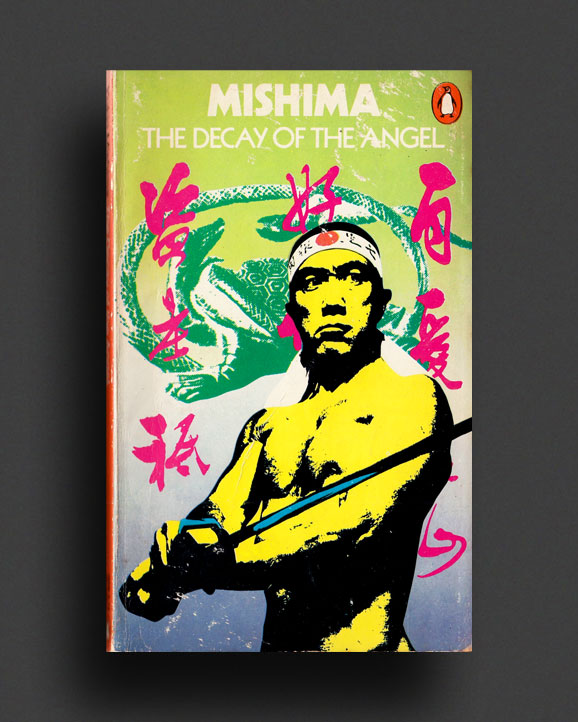
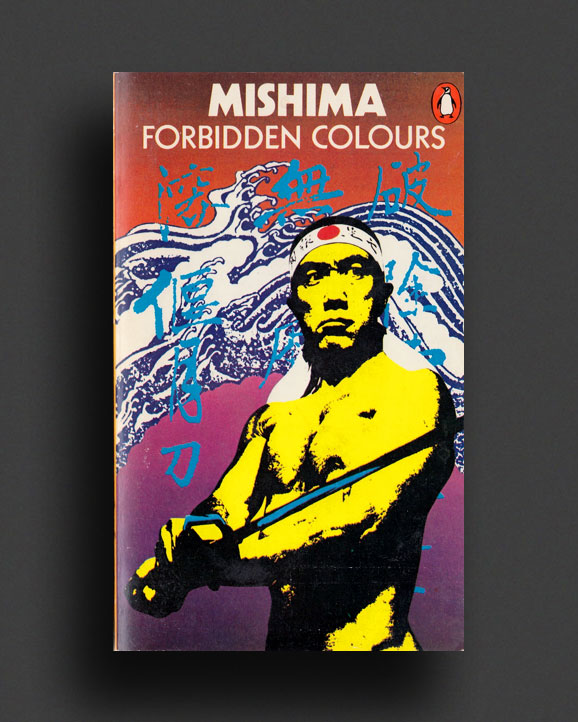
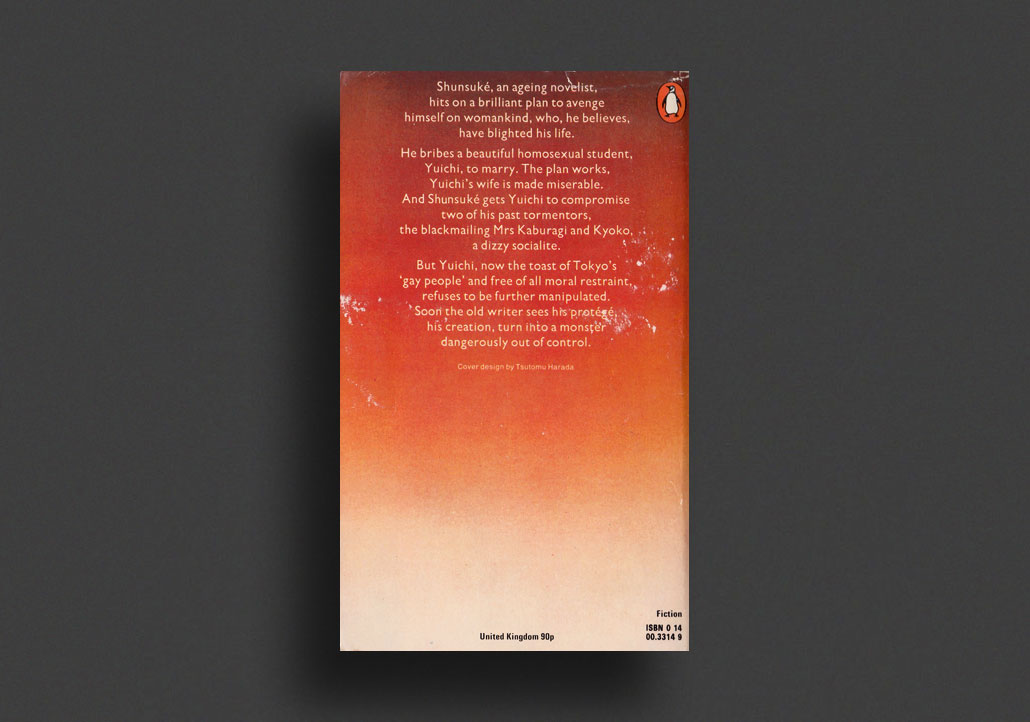
YUKIO MISHIMA, one of the most spectacularly gifted writers in modern Japan, was born into a samurai family in 1925. Yukio Mishima was a Japanese author, poet, playwright, actor, model, Shintoist, nationalist, and founder of the Tatenokai ("Shield Society"), an unarmed civilian militia. Mishima is considered one of the most important Japanese authors of the 20th century. He was considered for the Nobel Prize in Literature in 1968. His works include the novels Confessions of a Mask and The Temple of the Golden Pavilion. Mishima's work is characterized by "its luxurious vocabulary and decadent metaphors, its fusion of traditional Japanese and modern Western literary styles, and its obsessive assertions of the unity of beauty, eroticism and death", according to author Andrew Rankin. In November 1970 he and his Tatenokai forced their way into a Self-Defense Force headquarters in Tokyo, where Mishima, after reading out a proclamation, committed ritual suicide with a young follower in the commanding officer's room. On the morning of his death, the last volume of Mishima's tetralogy, The Sea of Fertility (The Spring Snow, Runaway Horses, The Temple of Dawn, The Decay of the Angel) was delivered to his publisher.
Good-Very Good copy, general wear/toning.
1986, Japanese
Softcover, 160 pages, 13 x 18 cm
1st Edition, Out of print title / used / very good
Published by
Fiction Inc. / Tokyo
$70.00 - Out of stock
Issue No.28 of the great SALE2 periodical from Tokyo Japan, founded in 1984 by Makoto Orui, who later became art director for Purple magazine in France, published regularly as a sort-of fanzine/journal/catalogue/pocket-book by Fiction, Inc., a specialty bookshop and publisher of fetish and erotica in Tokyo in the 1980—90s. Each issue covers different themes and features, heavy on fetishism.
Issue No.28, the "Fetishism" issue features collected writings and images around the theme of fetish by John Willie, Bizarre Magazine, Pierre Molinier, Irina Ionesco, Bernard Faucon (his incredible Summer Camp series), Irwing Klaw, Centurians Publishing Inc. bondage catalogues, Andy Warhol and much more... What's more, this issue comes complete with a green synthetic feather to kickstart your own sensual adventures.
Very heavily illustrated throughout with erotic photography and artwork, all texts in Japanese.
1985, Japanese
Softcover, 160 pages, 13 x 18 cm
1st Edition, Out of print title / used / very good
Published by
Fiction Inc. / Tokyo
$70.00 - Out of stock
Issue No.29 of the great SALE2 periodical from Tokyo Japan, founded in 1984 by Makoto Orui, who later became art director for Purple magazine in France and Rockin’on magazine in Japan. SALE2 was active for about 14 years during the 1980s—1990s, published regularly as a sort-of fanzine/journal/catalogue/pocket-book by Fiction, Inc., a specialty shop and publisher of fetish and erotica in Tokyo in the 1980-90s. With Orui's distinct design SALE2 developed an exclusive curated editorial set on ‘erotisism and its spiritual philosophy’, with each issue exploring different themes and features, heavy on fetishism and erotic art.
Issue No.29, the "Bondage" issue features collected writings and images around the themes of bondage, bdsm and more, including extensive features of photography and illustrations by John Willie, Irving Klaw, Eric Stanton, Carlo, Eneg, plus Andy Warhol and all the usual great advertisements/catalogue clippings, and much more... Very heavily illustrated throughout with erotic photography and artwork, all texts in Japanese.
Very Good copy with tanning to pages.
1988, Japanese
Softcover, 168 pages, 13 x 18 cm
1st Edition, Out of print title / used / very good
Published by
Fiction Inc. / Tokyo
$70.00 - Out of stock
Issue No.33 of the great SALE2 periodical from Tokyo Japan, founded in 1984 by Makoto Orui, who later became art director for Purple magazine in France and Rockin’on magazine in Japan. SALE2 was active for about 14 years during the 1980s—1990s, published regularly as a sort-of fanzine/journal/catalogue/pocket-book by Fiction, Inc., a specialty shop and publisher of fetish and erotica in Tokyo in the 1980-90s. With Orui's distinct design SALE2 developed an exclusive curated editorial set on ‘erotisism and its spiritual philosophy’, with each issue exploring different themes and features, heavy on fetishism and erotic art.
Issue No.33, the "Homosex Issue" features Quentin Crisp, Herbert List, Andy Warhol, Pierre Klossowski, David Hockney, Baron Wilhelm von Gloeden, Mel Odom, Jean Cocteau, Aubrey Beardsley, Guglielmo Plüschow, Vincenzo Galdi, and much more. It also features the Fiction, Inc. section that samples a cross-section of content from catalogue publications including the work of John Willie, Bill Ward, Carlo, Guido Crepax, Eric Stanton, Ruiz, Sally Roberts, Irving Claw, Betty Page, and periodicals such as Rubber Magazine, Amateur Bondage, Bizarre Comix, Bizarre Classix, Bizarre Fotos, and much more...
Very heavily illustrated throughout with erotic photography and artwork, all texts in Japanese.
Very Good copy with tanning and age to pages.
1978, Japanese
Softcover, 25.5 x 18 cm
1st Edition, Out of print title / used / good
Published by
Sun Publishing / Japan
$80.00 - In stock -
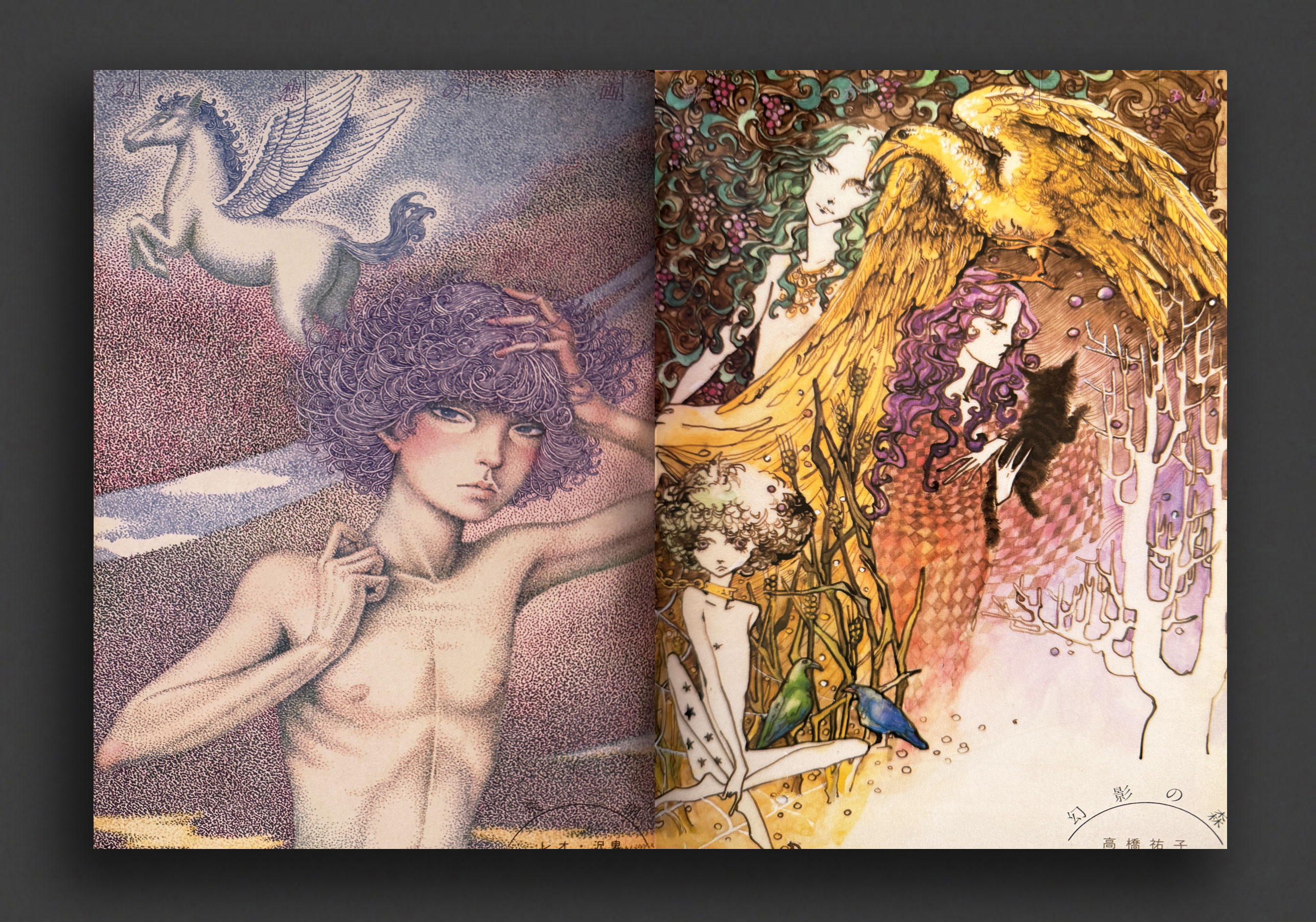
Rare premiere issue (October 1978) of June (magazine), the first yaoi (boys love or "BL") magazine in Japan, founded in 1978, named after the French author Jean Genet, with "june" being a play on the Japanese pronunciation of his name. An underground cult hit, June became synonymous with the BL genre, publishing male/male tanbi ("aesthetic") romances — stories written for and about the worship of idealised beauty, tragedy, and homoerotic romance between androgynous men and beautiful male youths, narratives that emphasise homosociality and de-emphasize socio-cultural homophobia, rich in decadence through the use of flowery language, baroque sexual fantasies and unusual kanji. The yaoi genre was coined by the female manga artists Yasuko Sakata and Akiko Hatsu and originated in the 1970s as a subgenre of shōjo manga, or comics for girls, influenced by the rising popularity of depictions of bishōnen ("beautiful boys"), a term for androgynous or effeminate male characters. June ushered in a new wave of — primarily female — manga artists and writers, including Keiko Takemiya, Tomomi Kobayashi, Kaoru Kurimoto, and Akimi Yoshida, and male artists such as Sadao Hasegawa, Gekko Hayashi, and Ben Kimura, publishing unsolicited manuscripts and homoerotic artworks alongside critical writings, reviews, and historical pieces, all centred around boys. Although it began typically as a genre by and for women, distinct from bara (gay manga created by men), June increasingly appealed to a gay audience, and played a significant role in the construction of a collective gay identity in Japan, alongside pioneering gay manga magazines such Barazoku, which featured many of the same artists. The June imprint ran various editions of the magazine, including the "large format" with many photos of youths and colour artworks, the popular Roman June ("Romantic June") which contained a mix of stories and manga, and Shousetsu June, and the original manga magazine.
The yaoi genre of June (also referred to as shōnen-ai "boy love") was heavily inspired by European decadent literature, philosophy, the homoerotic writings of Japanese authors Taruho Inagaki, Yukio Mishima, Yasunari Kawabata, Jun'ichirō Tanizaki, and the Bildungsroman (coming-of-age) literary genre as much as it was by pop culture and the androgyny of musicians such as David Bowie, Marc Bolan and David Sylvian, or actor Björn Andrésen's portrayal of Thaddeus in Visconti's 1971 film adaptation of Death in Venice. Early issues are be filled to the brim with lavish illustrations and comic stories, erotic fantasy fiction, photographs of "beautiful boys" (young film stars, catholic choir boys, musicians...), reviews, interviews, and essays, all rich with romantic connotations to the age of Decadence, Symbolism, and the aesthetics of the Victorian and Edwardian eras, as well as Japanese folklore.
Good—Very Good copy of this scarce early issue of June, published by Sun Publishing, Tokyo.
1979, Japanese
Softcover, 25.5 x 18 cm
1st Edition, Out of print title / used / good
Published by
Sun Publishing / Japan
$55.00 - In stock -
Issue No 5 (May 1979) of June (magazine), the first yaoi (boys love or "BL") magazine in Japan, founded in 1978, named after the French author Jean Genet, with "june" being a play on the Japanese pronunciation of his name. An underground cult hit, June became synonymous with the BL genre, publishing male/male tanbi ("aesthetic") romances — stories written for and about the worship of idealised beauty, tragedy, and homoerotic romance between androgynous men and beautiful male youths, narratives that emphasise homosociality and de-emphasize socio-cultural homophobia, rich in decadence through the use of flowery language, baroque sexual fantasies and unusual kanji. The yaoi genre was coined by the female manga artists Yasuko Sakata and Akiko Hatsu and originated in the 1970s as a subgenre of shōjo manga, or comics for girls, influenced by the rising popularity of depictions of bishōnen ("beautiful boys"), a term for androgynous or effeminate male characters. June ushered in a new wave of — primarily female — manga artists and writers, including Keiko Takemiya, Tomomi Kobayashi, Kaoru Kurimoto, and Akimi Yoshida, and male artists such as Sadao Hasegawa, Gekko Hayashi, and Ben Kimura, publishing unsolicited manuscripts and homoerotic artworks alongside critical writings, reviews, and historical pieces, all centred around boys. Although it began typically as a genre by and for women, distinct from bara (gay manga created by men), June increasingly appealed to a gay audience, and played a significant role in the construction of a collective gay identity in Japan, alongside pioneering gay manga magazines such Barazoku, which featured many of the same artists. The June imprint ran various editions of the magazine, including the "large format" with many photos of youths and colour artworks, the popular Roman June ("Romantic June") which contained a mix of stories and manga, and Shousetsu June, and the original manga magazine.
The yaoi genre of June (also referred to as shōnen-ai "boy love") was heavily inspired by European decadent literature, philosophy, the homoerotic writings of Japanese authors Taruho Inagaki, Yukio Mishima, Yasunari Kawabata, Jun'ichirō Tanizaki, and the Bildungsroman (coming-of-age) literary genre as much as it was by pop culture and the androgyny of musicians such as David Bowie, Marc Bolan and David Sylvian, or actor Björn Andrésen's portrayal of Thaddeus in Visconti's 1971 film adaptation of Death in Venice. Early issues are be filled to the brim with lavish illustrations and comic stories, erotic fantasy fiction, photographs of "beautiful boys" (young film stars, catholic choir boys, musicians...), reviews, interviews, and essays, all rich with romantic connotations to the age of Decadence, Symbolism, and the aesthetics of the Victorian and Edwardian eras, as well as Japanese folklore.
Good—Very Good copy of this scarce early issue of June, published by Sun Publishing, Tokyo.
1979, Japanese
Softcover, 25.5 x 18 cm
1st Edition, Out of print title / used / good
Published by
Sun Publishing / Japan
$55.00 - In stock -
Issue No 6 (July 1979) of June (magazine), the first yaoi (boys love or "BL") magazine in Japan, founded in 1978, named after the French author Jean Genet, with "june" being a play on the Japanese pronunciation of his name. An underground cult hit, June became synonymous with the BL genre, publishing male/male tanbi ("aesthetic") romances — stories written for and about the worship of idealised beauty, tragedy, and homoerotic romance between androgynous men and beautiful male youths, narratives that emphasise homosociality and de-emphasize socio-cultural homophobia, rich in decadence through the use of flowery language, baroque sexual fantasies and unusual kanji. The yaoi genre was coined by the female manga artists Yasuko Sakata and Akiko Hatsu and originated in the 1970s as a subgenre of shōjo manga, or comics for girls, influenced by the rising popularity of depictions of bishōnen ("beautiful boys"), a term for androgynous or effeminate male characters. June ushered in a new wave of — primarily female — manga artists and writers, including Keiko Takemiya, Tomomi Kobayashi, Kaoru Kurimoto, and Akimi Yoshida, and male artists such as Sadao Hasegawa, Gekko Hayashi, and Ben Kimura, publishing unsolicited manuscripts and homoerotic artworks alongside critical writings, reviews, and historical pieces, all centred around boys. Although it began typically as a genre by and for women, distinct from bara (gay manga created by men), June increasingly appealed to a gay audience, and played a significant role in the construction of a collective gay identity in Japan, alongside pioneering gay manga magazines such Barazoku, which featured many of the same artists. The June imprint ran various editions of the magazine, including the "large format" with many photos of youths and colour artworks, the popular Roman June ("Romantic June") which contained a mix of stories and manga, and Shousetsu June, and the original manga magazine.
The yaoi genre of June (also referred to as shōnen-ai "boy love") was heavily inspired by European decadent literature, philosophy, the homoerotic writings of Japanese authors Taruho Inagaki, Yukio Mishima, Yasunari Kawabata, Jun'ichirō Tanizaki, and the Bildungsroman (coming-of-age) literary genre as much as it was by pop culture and the androgyny of musicians such as David Bowie, Marc Bolan and David Sylvian, or actor Björn Andrésen's portrayal of Thaddeus in Visconti's 1971 film adaptation of Death in Venice. Early issues are be filled to the brim with lavish illustrations and comic stories, erotic fantasy fiction, photographs of "beautiful boys" (young film stars, catholic choir boys, musicians...), reviews, interviews, and essays, all rich with romantic connotations to the age of Decadence, Symbolism, and the aesthetics of the Victorian and Edwardian eras, as well as Japanese folklore.
Good—Very Good copy of this scarce early issue of June, published by Sun Publishing, Tokyo.
1979, Japanese
Softcover, 25.5 x 18 cm
1st Edition, Out of print title / used / good
Published by
Sun Publishing / Japan
$55.00 - Out of stock
Issue No 8 (August 1979) of June (magazine), the first yaoi (boys love or "BL") magazine in Japan, founded in 1978, named after the French author Jean Genet, with "june" being a play on the Japanese pronunciation of his name. An underground cult hit, June became synonymous with the BL genre, publishing male/male tanbi ("aesthetic") romances — stories written for and about the worship of idealised beauty, tragedy, and homoerotic romance between androgynous men and beautiful male youths, narratives that emphasise homosociality and de-emphasize socio-cultural homophobia, rich in decadence through the use of flowery language, baroque sexual fantasies and unusual kanji. The yaoi genre was coined by the female manga artists Yasuko Sakata and Akiko Hatsu and originated in the 1970s as a subgenre of shōjo manga, or comics for girls, influenced by the rising popularity of depictions of bishōnen ("beautiful boys"), a term for androgynous or effeminate male characters. June ushered in a new wave of — primarily female — manga artists and writers, including Keiko Takemiya, Tomomi Kobayashi, Kaoru Kurimoto, and Akimi Yoshida, and male artists such as Sadao Hasegawa, Gekko Hayashi, and Ben Kimura, publishing unsolicited manuscripts and homoerotic artworks alongside critical writings, reviews, and historical pieces, all centred around boys. Although it began typically as a genre by and for women, distinct from bara (gay manga created by men), June increasingly appealed to a gay audience, and played a significant role in the construction of a collective gay identity in Japan, alongside pioneering gay manga magazines such Barazoku, which featured many of the same artists. The June imprint ran various editions of the magazine, including the "large format" with many photos of youths and colour artworks, the popular Roman June ("Romantic June") which contained a mix of stories and manga, and Shousetsu June, and the original manga magazine.
The yaoi genre of June (also referred to as shōnen-ai "boy love") was heavily inspired by European decadent literature, philosophy, the homoerotic writings of Japanese authors Taruho Inagaki, Yukio Mishima, Yasunari Kawabata, Jun'ichirō Tanizaki, and the Bildungsroman (coming-of-age) literary genre as much as it was by pop culture and the androgyny of musicians such as David Bowie, Marc Bolan and David Sylvian, or actor Björn Andrésen's portrayal of Thaddeus in Visconti's 1971 film adaptation of Death in Venice. Early issues are be filled to the brim with lavish illustrations and comic stories, erotic fantasy fiction, photographs of "beautiful boys" (young film stars, catholic choir boys, musicians...), reviews, interviews, and essays, all rich with romantic connotations to the age of Decadence, Symbolism, and the aesthetics of the Victorian and Edwardian eras, as well as Japanese folklore.
Good—Very Good copy of this scarce early issue of June, published by Sun Publishing, Tokyo.
1985, Japanese
Softcover, 25.5 x 18 cm
1st Edition, Out of print title / used / good
Published by
Sun Publishing / Japan
$50.00 - In stock -
Issue No 23 (July 1985) of June (magazine), the first yaoi (boys love or "BL") magazine in Japan, founded in 1978, named after the French author Jean Genet, with "june" being a play on the Japanese pronunciation of his name. An underground cult hit, June became synonymous with the BL genre, publishing male/male tanbi ("aesthetic") romances — stories written for and about the worship of idealised beauty, tragedy, and homoerotic romance between androgynous men and beautiful male youths, narratives that emphasise homosociality and de-emphasize socio-cultural homophobia, rich in decadence through the use of flowery language, baroque sexual fantasies and unusual kanji. The yaoi genre was coined by the female manga artists Yasuko Sakata and Akiko Hatsu and originated in the 1970s as a subgenre of shōjo manga, or comics for girls, influenced by the rising popularity of depictions of bishōnen ("beautiful boys"), a term for androgynous or effeminate male characters. June ushered in a new wave of — primarily female — manga artists and writers, including Keiko Takemiya, Tomomi Kobayashi, Kaoru Kurimoto, and Akimi Yoshida, and male artists such as Sadao Hasegawa, Gekko Hayashi, and Ben Kimura, publishing unsolicited manuscripts and homoerotic artworks alongside critical writings, reviews, and historical pieces, all centred around boys. Although it began typically as a genre by and for women, distinct from bara (gay manga created by men), June increasingly appealed to a gay audience, and played a significant role in the construction of a collective gay identity in Japan, alongside pioneering gay manga magazines such Barazoku, which featured many of the same artists. The June imprint ran various editions of the magazine, including the "large format" with many photos of youths and colour artworks, the popular Roman June ("Romantic June") which contained a mix of stories and manga, and Shousetsu June, and the original manga magazine.
The yaoi genre of June (also referred to as shōnen-ai "boy love") was heavily inspired by European decadent literature, philosophy, the homoerotic writings of Japanese authors Taruho Inagaki, Yukio Mishima, Yasunari Kawabata, Jun'ichirō Tanizaki, and the Bildungsroman (coming-of-age) literary genre as much as it was by pop culture and the androgyny of musicians such as David Bowie, Marc Bolan and David Sylvian, or actor Björn Andrésen's portrayal of Thaddeus in Visconti's 1971 film adaptation of Death in Venice. Early issues are be filled to the brim with lavish illustrations and comic stories, erotic fantasy fiction, photographs of "beautiful boys" (young film stars, catholic choir boys, musicians...), reviews, interviews, and essays, all rich with romantic connotations to the age of Decadence, Symbolism, and the aesthetics of the Victorian and Edwardian eras, as well as Japanese folklore.
Good—Very Good copy of this scarce early issue of June, published by Sun Publishing, Tokyo.