World Food Books' programme is largely produced on Kulin Nation land. We acknowledge the Wurundjeri people of the Kulin Nation as the first and continuing custodians of this land, and pay respect to their Elders past, present, and emerging.
World Food Books is an arts and special interests bookshop in Naarm / Melbourne. Founded in 2010, World Food Books is devoted to the presentation of a rotating, hand-selection of international art, design, literary and counterculture publications with an emphasis on the anti-traditional, the experimental, the avant-garde, the heretic, the marginal.
Presenting new titles alongside rare and out-of-print books, catalogues and journals spanning the fields of modern and contemporary art, design, photography, illustration, film, literature, poetry, cultural theory, philosophy, sexuality, popular and underground culture in its many radical forms, World Food Books wishes to encourage adventurous, thoughtful and open-minded reading, looking, writing, and exchange of publishing and ideas, both current and historical.
As well as our bookshop, located in Melbourne's historical Nicholas Building, all of our inventory is available internationally via our online mail-order service.
World Food Books semi-regularly co-ordinates "Occasions", a programme of exhibits and events at the bookshop and in partnership with other hosts (such as museums and art galleries) that develop out of the activities, relationships and content of the bookshop itself.
World Food Books
The Nicholas Building
37 Swanston Street
Room 5, Level 6
Melbourne 3000
Australia
SHOP HOURS:
THU–SAT 12–6
WEB-SHOP OPEN 24/7
World Food Books
Postal Address:
PO Box 435
Flinders Lane
Victoria 8009
Australia
info@worldfoodbooks.com
Art
Theory / Essay
Architecture / Interior
Graphic Design / Typography
Photography
Fashion
Eros
LGBTQ+
Fiction / Poetry
Weird / Speculative / Science Fiction / Horror
Transgressive / Visceral / Abject
Symbolism / Decadence / Fin de siècle
Film / Video
Painting
Sculpture / Installation
Performance / Dance / Theater
Drawing
Sound / Music
Curatorial
Group Shows / Collections
Periodicals
Out-of-print / Rare
Posters / Ephemera / Discs
Signed Books
World Food Books Gift Voucher
World Food Book Bag
Australian Art
Australian Fiction
Australian Science Fiction / Speculative Fiction
Australian Poetry
Australian Photography
Japanese Photography
Conceptual Art
Minimal Art
Dada
'Pataphysics / Oulipo
Fluxus
Concrete Poetry
Pop Art
Surrealism
Arte Povera
Arte Informale / Haute Pâte / Tachism
Nouveau Réalisme / Zero / Kinetic
Situationism / Lettrism
Collage / Mail Art / Xerox Art
Art Brut / Folk / Visionary / Fantastic
Illustration / Graphic Art / Bandes Dessinées
Furniture
Italian Radical Design / Postmodernism
Textiles
Ceramics / Glass
Counterculture
Protest / Revolt
Philosophy
Psychoanalysis
Anthropology
Anarchism
Socialism / Anarchism / Communism / Capitalism
Literary Theory / Semiotics / Language
Feminism / Women's Studies
Gender Studies / Sexuality
Anthropology
Fetishism / BDSM
Drugs / Psychedelia
Crime / Violence
Animal Rights / Veganism
Occult / Esoterica
Ecology / Earth / Alternative Living
Whole Earth / Crafts
All prices in AUD (Australian dollars)
Pick-Ups
Pick-up orders can be collected in our bookshop during opening hours after order date. Please collect any Pick-up orders within 2 weeks of ordering as we have limited storage space. Orders will be released back into stock if not collected within this time. No refunds can be made for pick-ups left un-collected. If you cannot make it in to the bookshop in this time-frame, please choose postage option.
Return Policy
All sales are final. We do accept returns (for refund or exchange) for items received in error. All our orders are packed with special care using heavy-duty padding and cardboard book-mailers or bubble mailers (for smaller books), using reinforcement where required. We cannot take responsibility for any lost, stolen or damaged parcels.
Insurance
Should you wish to insure your package, please email us directly after placing your order and we can organise this at a small extra expense. Although all standard/express tracked packages are very safe and dependable, we cannot take responsibility for any lost, stolen or damaged parcels. We recommend insurance on valuable orders.
Interested in selling your old books, catalogues, journals, magazines, comics, fanzines, ephemera? We are always looking for interesting, unusual and out-of-print books to buy. We only buy books in our fields of interest and specialty, and that we feel we can resell.
We base these prices on desirability, market value, in-print prices, condition and our current stock levels. We offer cash, store credit, and can take stock on consignment. All
about 25% of the price we expect to get when we sell them, or 30% in store credit. We base these prices on desirability, market value, in-print prices, condition and our current stock levels.
Sell your books any day of the week. You can drop them off and return later. If you have a lot of books, we can visit your Sydney home.
We buy books that we feel we can resell. We offer about 25 % of the price we expect to get when we sell them, or 30% in store credit. We base these prices on desirability, market value, in-print prices, condition and our current stock levels.
Philadelphia Wireman
03 August - 01 September, 2018
World Food Books is proud to announce our next Occasion, the first presentation of sculptures by Philadelphia Wireman in Australia.
The Philadelphia Wireman sculptures were found abandoned in an alley off Philadelphia’s South Street on trash night in 1982. Their discovery in a rapidly-changing neighbourhood undergoing extensive renovation, compounded with the failure of all attempts to locate the artist, suggests that the works may have been discarded after the maker’s death. Dubbed the "Philadelphia Wireman" during the first exhibition of this work, in 1985, the maker’s name, age, ethnicity, and even gender remain uncertain. The entire collection totals approximately 1200 pieces, all intricately bound together with tightly-wound heavy-gauge wire (along with a few small, abstract marker drawings, reminiscent both of Mark Tobey and J.B. Murry). The dense construction of the work, despite a modest range of scale and materials, is singularly obsessive and disciplined in design: a wire armature or exoskeleton firmly binds a bricolage of found objects including plastic, glass, food packaging, umbrella parts, tape, rubber, batteries, pens, leather, reflectors, nuts and bolts, nails, foil, coins, toys, watches, eyeglasses, tools, and jewellery.
Heavy with associations—anthropomorphic, zoomorphic, and socio-cultural responses to wrapped detritus—the totemic sculptures by Philadelphia Wireman have been discussed in the context of work created to fulfil the shamanistic needs of alternative religions in American culture. Curators, collectors, and critics have variously compared certain pieces to sculpture from Classical antiquity, Native American medicine bundles, African-American memory jugs, and African fetish objects. Reflecting the artist’s prolific and incredibly focused scavenging impulse, and despite—or perhaps enhanced by—their anonymity, these enigmatic objects function as urban artefacts and arbiters of power, though their origin and purpose is unknown. Philadelphia Wireman, whatever their identity, possessed an astonishing ability to isolate and communicate the concepts of power and energy through the selection and transformation of ordinary materials. Over the course of the past two decades, this collection has come to be regarded as an important discovery in the field of self-taught art and vernacular art.
Presented in collaboration with Fleisher-Ollman Gallery, Philadelphia, and Robert Heald, Wellington.
Susan Te Kahurangi King
02 February - 10 March, 2018
Susan Te Kahurangi King (24 February 1951 - ) has been a confident and prolific artist since she was a young child, drawing with readily available materials - pencils, ballpoint pens and felt-tip markers, on whatever paper is at hand. Between the ages of four and six Susan slowly ceased verbal communication. Her grandparents William and Myrtle Murphy had developed a special bond with Susan so they took on caring responsibilities for extended periods. Myrtle began informally archiving her work, carefully collecting and storing the drawings and compiling scrapbooks. No drawing was insignificant; every scrap of paper was kept. The King family are now the custodians of a vast collection containing over 7000 individual works, from tiny scraps of paper through to 5 meter long rolls.
The scrapbooks and diaries reveal Myrtle to be a woman of great patience and compassion, seeking to understand a child who was not always behaving as expected. She encouraged Susan to be observant, to explore her environment and absorb all the sights and sounds. Myrtle would show Susan’s drawings to friends and people in her community that she had dealings with, such as shopkeepers and postal workers, but this was not simply a case of a grandmother’s bias. She recognised that Susan had developed a sophisticated and unique visual language and sincerely believed that her art deserved serious attention.
This was an unorthodox attitude for the time. To provide some context, Jean Dubuffet coined the term Art Brut in 1945 to describe work created by self-taught artists – specifically residents of psychiatric institutions and those he considered to be visionaries or eccentrics. In 1972 Roger Cardinal extended this concept by adopting the term Outsider Art to describe work made by non-academically trained artists operating outside of mainstream art networks through choice or circumstance. Susan was born in Te Aroha, New Zealand in 1951, far from the artistic hubs of Paris and London that Dubuffet and Cardinal operated in. That Myrtle fêted Susan as a self-taught artist who deserved to be taken seriously shows how progressive her attitudes were.
Susan’s parents Doug and Dawn were also progressive. Over the years they had consulted numerous health practitioners about Susan’s condition, as the medical establishment could not provide an explanation as to why she had lapsed into silence. Dawn educated herself in the field of homeopathy and went on to treat all twelve of her children using these principles – basing prescriptions on her observations of their physical, mental and emotional state.
Doug was a linguist with an interest in philosophy who devoted what little spare time he had to studying Maori language and culture. To some extent their willingness to explore the fringes of the mainstream made them outsiders too but it was their commitment to living with integrity and their respect for individuality that ensured Susan’s creativity was always encouraged.
Even though Susan’s family supported her artistic pursuits, some staff in schools and hospitals saw it as an impediment to her assimilation into the community and discouraged it in a variety of ways. Her family was not always aware of this and therefore did not fully understand why Susan stopped drawing in the early 1990s. However, rather than dwell on the challenges that Susan faced in pursuit of her artistic practice, they prefer to highlight her achievements. In 2008 Susan began drawing again in earnest, after an almost 20 year interruption, and her work is now shown in galleries around the world.
Susan grew up without television and has been heavily influenced by the comics she read as a child. She is absolutely fearless in the appropriation of recognizable characters, such as Donald Duck and Mickey Mouse, in her work. She twists their limbs, contorts their faces, compresses them together, blends them into complex patterned backgrounds - always imbuing them with an incredible energy. Although Susan often used pop culture characters in her work they are not naive or childlike. These are drawings by a brilliant self-taught artist who has been creating exceptional work for decades without an audience in mind.
Mladen Stilinović
"Various Works 1986 - 1999"
02 February 16 - September 10, 2016
Various works 1986 - 1999, from two houses, from the collections of John Nixon, Sue Cramer, Kerrie Poliness, Peter Haffenden and Phoebe Haffenden.
Including: Geometry of Cakes (various shelves), 1993; Poor People’s Law (black and white plate), 1993; White Absence (glasses, ruler, set square, silver spoon, silver ladel with skin photograph and wooden cubes), 1990-1996; Exploitation of the Dead (grey and red star painting, wooden painting, black spoon with red table, red plate), 1984-1990; Money and Zeros (zero tie, paintings made for friends in Australia (Sue, John, Kerrie), numbers painting), 1991-1992; Words - Slogans (various t-shirts) - “they talk about the death of art...help! someone is trying to kill me”, “my sweet little lamb”, “work is a disease - Karl Marx”; Various artist books, catalogues, monographs, videos; Poster from exhibition Insulting Anarchy; "Circular" Croatian - Australian edition; Artist book by Vlado Martek (Dostoyevsky); more.
Thanks to Mladen Stilinović and Branka Stipančić.
Jonathan Walker
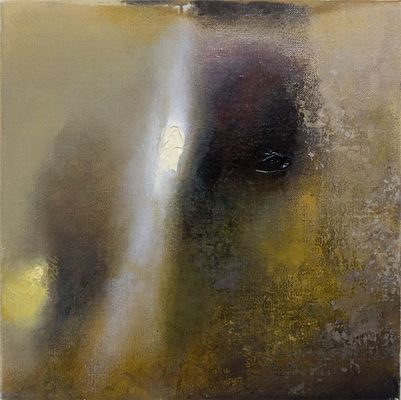
Always Will Need To Wear Winter Shirt Blue + Ochre Small Check Pattern
21 August - 21 September, 2015
Untitled
I am not a great reader of poetry but I always return to the work of Melbourne poet, Vincent Buckley (1925- 1988). Perhaps I find his most tantalising piece to be not a finished poem but a fragment left on a scrap of paper discovered on his desk after the poet’s death.
The poetry gathers like oil
In the word-core, and spreads
It has its music meet,
Its music is in movement.
This fragment is more the shell left behind from a volatile thought than a finished poem. I find the last two lines honest but awkward whereas the first two lines work like an arrow. Most likely he could not find a resolution so it was left. Still, in its present form, it remains an eloquent testimony to the ultimate failure of a medium to express mobile thought and sensation, in Buckley’s case, through verbal language. It’s an important matter because this is something all artists have to deal with regardless of the medium.
I have never written a poem, however, I am forever copying fragments from books on paper scraps in a vain effort to fix certain notions in my head. At first, they function as bookmarks that are sometimes returned to when I open the book. But before long, as they accumulate, they fall out littering the table interspersed with A4 photocopies, bills, books and medications.
To return to Buckley’s fragment, the first two lines very much evoke how I paint nowadays. As you age, detail diminishes and patches of light become more luminous and float. I feel the most honest way of dealing with this is by smearing the oil paint on the canvas with the fingers and working close-up, blind. Only if the patches coalesce into an approaching image can the work gain a life.
-
Jonathan Walker was born in Melbourne, Australia and brought up on a dairy farm in Gippsland. In the 1970’s he studied painting at RMIT and won the Harold Wright Scholarship to the British Museum, London. During the 1980’s he exhibited at Pinacotheca Gallery, Richmond and had work shown at the NGV and Heidi City Art Gallery. Over the same period he designed the cover for the “Epigenesi” LP by Giancarlo Toniutti, Italy and conducted a mail exchange work with Achim Wollscheid, Germany. The work with artists through the post resulted in an article published in the bicentenary issue of Art and Australia 1988. He showed in artist run spaces such as WestSpace in the 90’s and 2000’s, and until 2012, taught painting at Victoria University, which is where we (Colleen Ahern and Lisa Radford) as organisers of the exhibition, among many others, had the privilege of being his student.
Walker’s knowledge was imparted to students through the careful selection of music, literature, and artists found in books that he himself had ordered for the library. Walker’s strategy was the generosity of sharing his vast knowledge with references specific to each student and their context.
Walker’s paintings share a similar focus and intimacy.
This exhibition presents a small selection of recent paintings alongside a publication that includes Walker’s writing. Observational and analytical, Walker’s work is a type of material notation — the time of day, colour and how it is blended, the both specific and fleeting location of a reflection on lino or the question of whether a chair leg should be included in a painting.
Please join us on Friday August 21 between 6-8pm to celebrate the opening of the exhibition.
Curated by Colleen Ahern and Lisa Radford.
B. Wurtz
Curated by Nic Tammens
March 26 - April 4, 2015
B.Wurtz works from a basement studio in his home on Manhattan’s Lower East Side.
This local fact is attested to by the plastic shopping bags and newsprint circulars that appear in his work. As formal objects, they don’t make loud claims about their origins but nonetheless transmit street addresses and places of business from the bottom of this long thin island. Like plenty of artists, Wurtz is affected by what is local and what is consumed. His work is underpinned by this ethic. It often speaks from a neighborhood or reads like the contents of a hamper:
“BLACK PLUMS $1.29 lb.”
“Food Bazaar”
“USDA Whole Pork Shoulder Picnic 99c lb.”
“RITE AID Pharmacy, with us it’s personal.”
“H. Brickman & Sons.”
“Sweet Yams 59c lb."
Most of the work in this exhibition was made while the artist was in residence at Dieu Donne, a workshop dedicated to paper craft in Midtown. Here Wurtz fabricated assemblages with paper and objects that are relatively lightweight, with the intention that they would be easily transportable to Australia. This consideration isn’t absolute in Wurtz’s work, but was prescriptive for making the current exhibition light and cheap. Packed in two boxes, these works were sent from a USPS post office on the Lower East Side and delivered to North Melbourne by Australia Post.
Wurtz appears courtesy of Metro Pictures, New York.
Thanks to Rob Halverson, Joshua Petherick, Sari de Mallory, Matt Hinkley, Helen Johnson, Fayen d'Evie, Ask Kilmartin, Lisa Radon, Ellena Savage, Yale Union, and "Elizabeth".
John Nixon
"Archive"
December 15 - January 20, 2014
The presentation of John Nixon's archive offered a rare showcase of this extensive collection of the artist's own publications, catalogues, posters, ephemera, editions and more, from the mid 1980s onwards, alongside a selection of his artworks.
Organized by John Nixon, Joshua Petherick and Matt Hinkley.
"Habitat"
at Minerva, Sydney (organised by Joshua Petherick and Matt Hinkley)
November 15 - December 20, 2014
Lupo Borgonovo, Janet Burchill & Jennifer McCamley,
Lewis Fidock, HR Giger, Piero Gilardi, Veit Laurent Kurz,
Cinzia Ruggeri, Michael E. Smith, Lucie Stahl, Daniel Weil, Wols
Press Release:
“...It contained seven objects. The slender fluted bone, surely formed for flight, surely from the wing of some large bird. Three archaic circuitboards, faced with mazes of gold. A smooth white sphere of baked clay. An age-blackened fragment of lace. A fingerlength segment of what she assumed was bone from a human wrist, grayish white, inset smoothly with the silicon shaft of a small instrument that must once have ridden flush with the surface of the skin - but the thing’s face was seared and blackened.”
William Gibson, “Count Zero”, 1986
"Autumn Projects Archive"
Curated by Liza Vasiliou
March 6 - March 15, 2014
World Food Books, in conjunction with the Virgin Australia Melbourne Fashion Festival 2014, presented the Autumn Projects archive, consisting of a selection of early examples in Australian fashion with a particular interest in collecting designers and labels from the period beginning in the 1980’s, who significantly influenced the discourse of Australian Fashion.
Curated by Liza Vasiliou, the exhibition provided a unique opportunity to view pieces by designers Anthea Crawford, Barbara Vandenberg, Geoff Liddell and labels CR Australia, Covers, Jag along with early experimental collage pieces by Prue Acton and Sally Browne’s ‘Fragments’ collection, suspended throughout the functioning World Food Books shop in Melbourne.
H.B. Peace
presented by CENTRE FOR STYLE
November 14, 2013
"Hey Blinky, you say chic, I say same"
Anon 2013
H.B. Peace is a clothing collaboration between great friends Blake Barns and Hugh Egan Westland. Their pieces explore the divergences between 'character’ and ‘personality’ in garments....etc
Special Thanks to Joshua Petherick and Matt Hinkley of WFB and Gillian Mears
and a Very Special Thank you to Audrey Thomas Hayes for her shoe collaboration.
Janet Burchill & Jennifer McCamley
"Aesthetic Suicide"
May 10 - June 8, 2013
The first of our occasional exhibitions in the World Food Books office/shop space in Melbourne, "Aesthetic Suicide" presented a body of new and older works together by artists Janet Burchill & Jennifer McCamley, including videos, prints, a wall work, and publications.
During shop open hours videos played every hour, on the hour.
1981, English
Hardcover (w. dust jacket), 96 pages, 28.5 x 22.5 cm
Out of print title / used / very good
Published by
Liber / Fribourg
$30.00 - In stock -
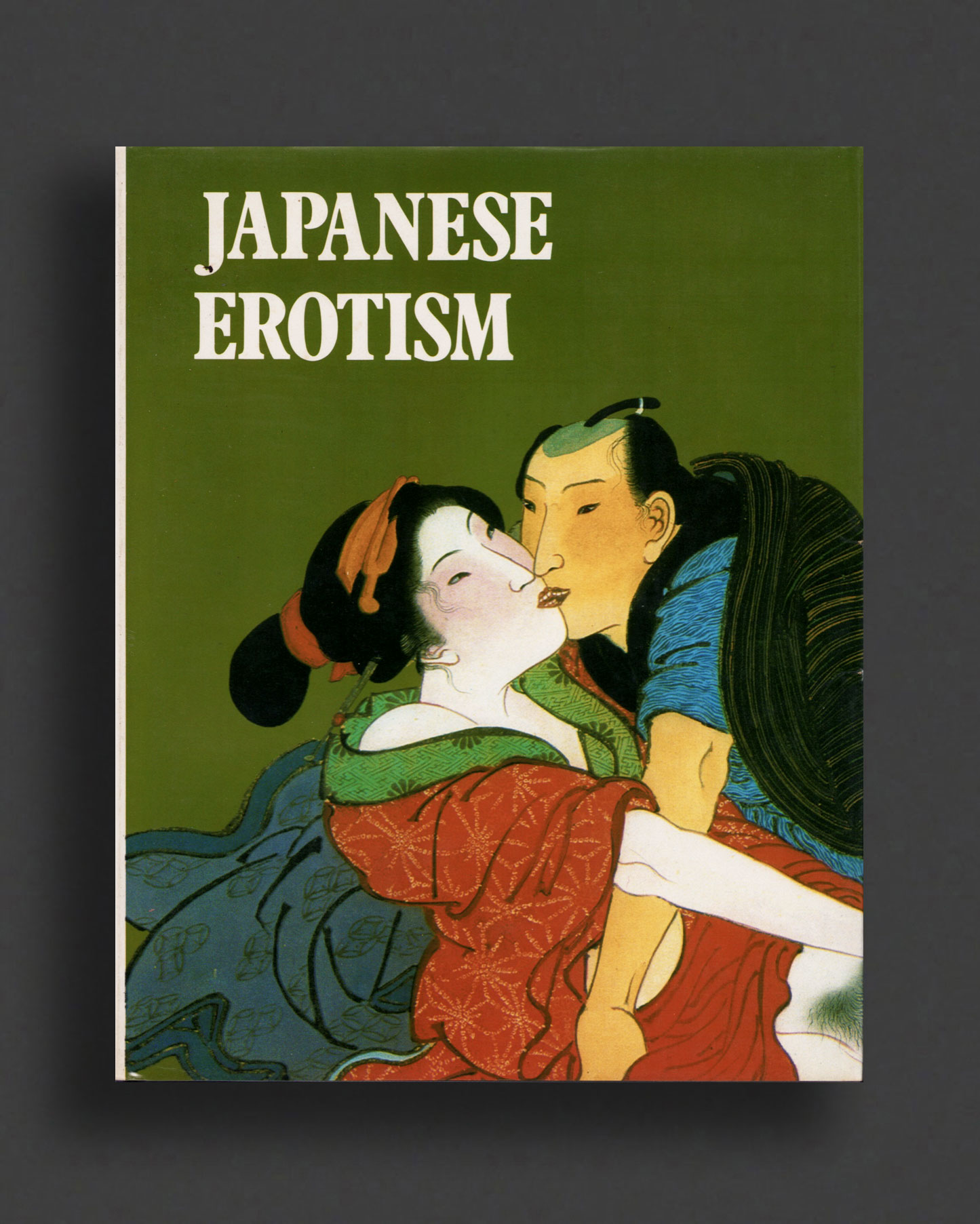
Hardcover volume published in 1981, profusely illustrated throughout. Text by Bernard Soulié and translated by Evelyn Roissiter. 1983 print from Liber, Fribourg. English text.
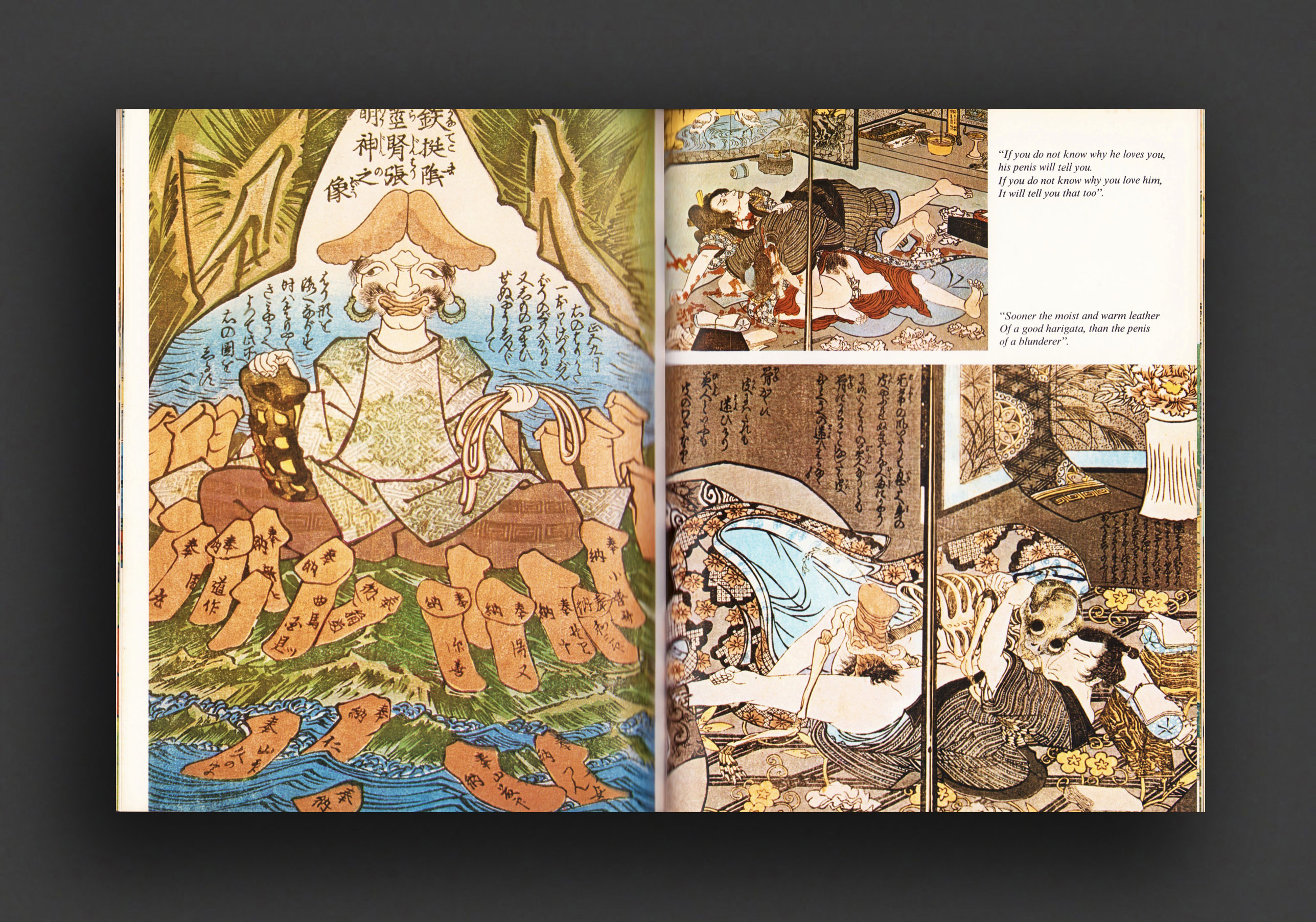
"As radio cars and helicopters keep the crowd in order, an imposing procession of women follows a group of laughing priests, while expressionless police officers hold the onlookers back. This scene would be fairly commonplace were it not for the nature of the object in honor of which the procession is being held: the phallus. Finely sculpted specimens made of carefully polished wood are to be found in dozens of sanctuaries dedicated to the cult of Shinto, the ancient religion which preceded Buddhism and which still pervades Japan today.
Needless to say, in such a country there is no taboo on sexuality or sexual images. Sex has always been very much taken for granted. The place it occupies in literature and the arts is therefore not surprising. Graphic treatment of the subject in Japan has been abundant, of high quality and distinctly original, even when compared to the work of the Chinese masters. Japanese erotic art blends refinement of line with a brutally realistic depiction of the sexual act. The attendant commentary, often expressed by the protagonists themselves, gives an unabashed account of intimate anatomical and physiological details, while the sexual organs, particularly that of the male, are shown as being vastly larger than life during and just before intercourse. In many instances, however, the rest of the protagonists' bodies is clothed, and sumptuously so. Their finery and hairstyle, as well as the decor of the scene, provide clues as to their social background. Certain pictures include accessories designed to enhance pleasure, whether solitary or shared, such as the harigata (artificial penis) or the higo-miki (ring hastening erection). [...]
VG—VG dust jacket.
1992, English
Softcover, 302 pages, 24 x 16.5 cm
1st Edition, Out of print title / used / good
Published by
Cornell University Press / New York
$100.00 - Out of stock
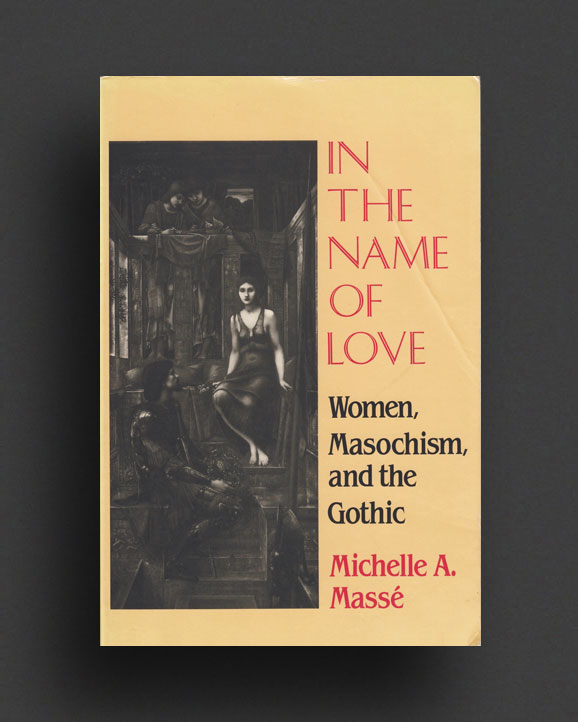
First 1992 edition.
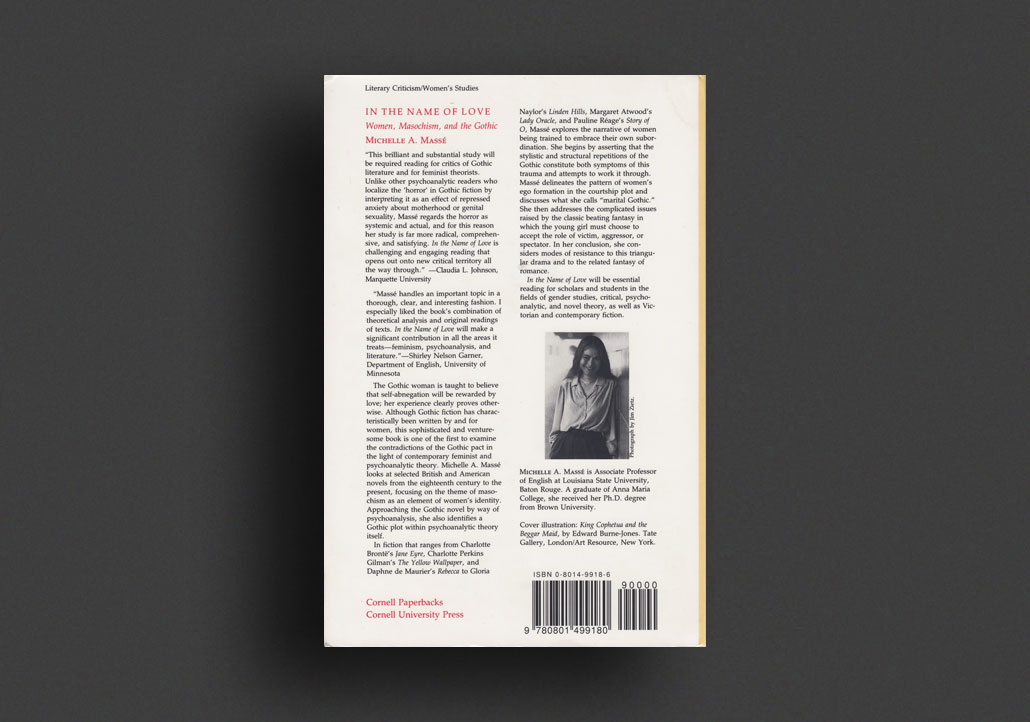
"This brilliant and substantial study will be required reading for critics of Gothic literature and for feminist theorists. Unlike other psychoanalytic readers who localize the 'horror' in Gothic fiction by interpreting it as an effect of repressed anxiety about motherhood or genital sexuality, Massé regards the horror as systemic and actual, and for this reason her study is far more radical, comprehensive, and satisfying. In the Name of Love is challenging and engaging reading that opens out onto new critical territory all the way through." -Claudia L. Johnson, Marquette University
"Massé handles an important topic in a thorough, clear, and interesting fashion. I especially liked the book's combination of theoretical analysis and original readings of texts. In the Name of Love will make a significant contribution in all the areas it treats-feminism, psychoanalysis, and literature."-Shirley Nelson Garner, Department of English, University of Minnesota
The Gothic woman is taught to believe that self-abnegation will be rewarded by love; her experience clearly proves otherwise. Although Gothic fiction has characteristically been written by and for women, this sophisticated and venturesome book is one of the first to examine the contradictions of the Gothic pact in the light of contemporary feminist and psychoanalytic theory. Michelle A. Massé looks at selected British and American novels from the eighteenth century to the present, focusing on the theme of masochism as an element of women's identity. Approaching the Gothic novel by way of psychoanalysis, she also identifies a Gothic plot within psychoanalytic theory itself.
In fiction that ranges from Charlotte Brontë's Jane Eyre, Charlotte Perkins Gilman's The Yellow Wallpaper, and Daphne de Maurier's Rebecca to Gloria Naylor's Linden Hills, Margaret Atwood's Lady Oracle, and Pauline Réage's Story of O, Massé explores the narrative of women being trained to embrace their own subordination. She begins by asserting that the stylistic and structural repetitions of the Gothic constitute both symptoms of this trauma and attempts to work it through. Massé delineates the pattern of women's ego formation in the courtship plot and discusses what she calls "marital Gothic." She then addresses the complicated issues raised by the classic beating fantasy in which the young girl must choose to accept the role of victim, aggressor, or spectator. In her conclusion, she con- siders modes of resistance to this triangular drama and to the related fantasy of romance.
In the Name of Love will be essential reading for scholars and students in the fields of gender studies, critical, psycho-analytic, and novel theory, as well as Victorian and contemporary fiction.
MICHELLE A. MASSÉ is Associate Professor of English at Louisiana State University, Baton Rouge. A graduate of Anna Maria College, she received her Ph.D. degree from Brown University.
Cover illustration: King Cophetua and the Beggar Maid, by Edward Burne-Jones. Tate Gallery, London/Art Resource, New York.
Good copy, light spine tanning/creasing, crease to front cover corner, light wear.
1992, English
Hardcover, 262 pages
1st Edition, Out of print title / used / very good
Published by
State University of New York Press / New York
$10.00 - In stock -
First hardcover edition, 1992.
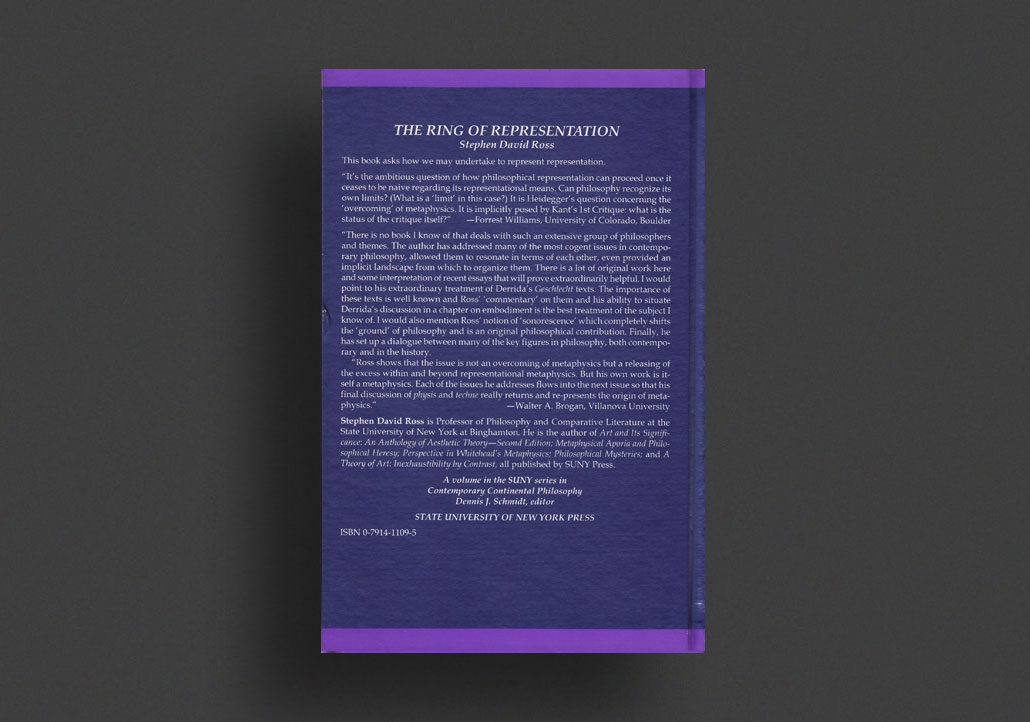
This book asks how we may undertake to represent representation.
Stephen David Ross is Professor of Philosophy and Comparative Literature at the State University of New York at Binghamton. He is the author of Art and Its Significance: An Anthology of Aesthetic Theory-Second Edition; Metaphysical Aporia and Philosophical Heresy; Perspective in Whitehead's Metaphysics; Philosophical Mysteries; and A Theory of Art: Inexhaustibility by Contrast, all published by SUNY Press.
Reviews
"It's the ambitious question of how philosophical representation can proceed once it ceases to be naive regarding its representational means. Can philosophy recognize its own limits? (What is a 'limit' in this case?) It is Heidegger's question concerning the 'overcoming' of metaphysics. It is implicitly posed by Kant's 1st Critique: what is the status of the critique itself?"—Forrest Williams, University of Colorado, Boulder
"There is no book I know of that deals with such an extensive group of philosophers and themes. The author has addressed many of the most cogent issues in contemporary philosophy, allowed them to resonate in terms of each other, even provided an implicit landscape from which to organize them. There is a lot of original work here and some interpretation of recent essays that will prove extraordinarily helpful. I would point to his extraordinary treatment of Derrida's Geschlecht texts. The importance of these texts is well known and Ross' 'commentary' on them and his ability to situate Derrida's discussion in a chapter on embodiment is the best treatment of the subject I know of. I would also mention Ross' notion of 'sonorescence' which completely shifts the 'ground' of philosophy and is an original philosophical contribution. Finally, he has set up a dialogue between many of the key figures in philosophy, both contemporary and in the history.
"Ross shows that the issue is not an overcoming of metaphysics but a releasing of the excess within and beyond representational metaphysics. But his own work is itself a metaphysics. Each of the issues he addresses flow into the next issue so that his final discussion of physis and techne really returns and re-presents the origin of metaphysics." — Walter A. Brogan, Villanova University
VG copy.
1975, English
Hardcover (w. dust jacket), 208 pages, 24 x 16 cm
1st Edition, Out of print title / used / very good
Published by
New York Graphic Society / Boston
$30.00 - Out of stock
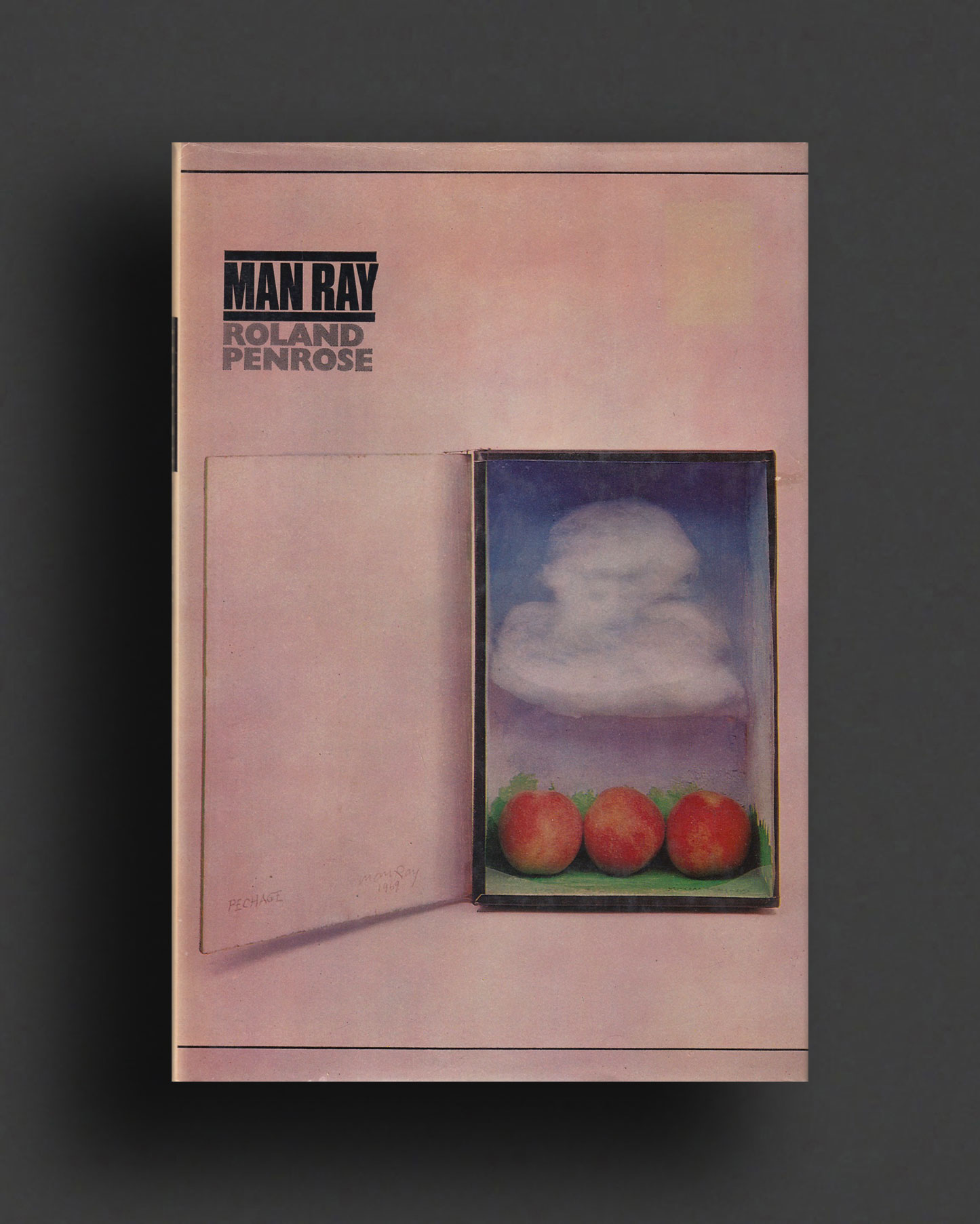
First hardcover edition of the first major English-language monographic study on the brilliant Man Ray, by close friend Roland Penrose, published by the New York Graphic Society in Boston, 1975.
Since before World War I, Man Ray has stood at the center of European and American modernismas a painter, conjurer of magical and poetic objects, inventor, and photographer. Few contemporary artists have played such a vital role in the creation of imaginative visual realities.
Although Man Ray was born in America, he has lived most of his adult life in France, and as a result, he is generally thought of as a European artist, especially since he was a central figure in the Surrealist movement. He is, however, an essential precursor of contemporary American art.
Man Ray has always been a pioneering artist: in combining photography and painting, something later taken up by such artists as Rauschenberg and Warhol; in his creation of enigmatic and mysterious, humorous and unpretentious surrealist objects; in anticipating Abstract Expressionism with his "drip" paintings; in manipulating scale, echoed today in the work of Oldenburg; in his "wrapped objects," done a half century before Christo's works.
The influence of Man Ray continues to increase. Its most important aspects transcend individual paintings, objects, or photographs. Its virtue lies not only in the new techniques he has mastered but also in his subtle and disturbing probes into the very nature of life and in the directness and surprise of his inventions. His genius is a kind of liberating poetry he instills into the heart of artistic activity.
Roland Penrose has been a close friend of the artist for almost fifty years. This is the first major monograph ever published on Man Ray, and for it Penrose has created an absorbing narrative about the life of his friend, about his work and about his steady presence at the flash point of twentieth-century contemporary art. As the organizer of the International Surrealist Exhibition in London, in 1936, where Man Ray's work was shown in England for the first time, and as a Surrealist painter himself, Roland Penrose writes from a unique vantage point of the work and life of a modern genius.
Good—VG copy, with Good—VG dust jacket.
1987, English
Hardcover (w. dust jacket), 205 pages, 22.5 x 14.5 cm
1st Edition, Out of print title / used / very good
Published by
St. Martin's Press / New York
$45.00 - In stock -
First hardcover edition.
Dedicated to Samuel Beckett in honor of his eightieth birthday, the present book provides a focus on Beckett's later fiction and drama-his fiction since How It Is (1961) and his drama since Endgame (1957). Published here for the first time, the thirteen essays are characterized by originality of material and freshness of view-point. They will be especially helpful to the reader who is drawn to the recent work of one of the twentieth century's most important authors, but who feels the need of some help in coming to terms with it.
As testimony to Beckett's international reputation, the contributors are drawn from various parts of the English-speaking world, and include many of the leading Beckett scholars of the day.
VG—VG.
1984—1986, English
Softcover (staple-bound), each 52-56 pages, 31.5 x 23.5 cm
1st Edition, Out of print title / used / very good
Published by
A.T.O.M. / Carlton
$60.00 - In stock -
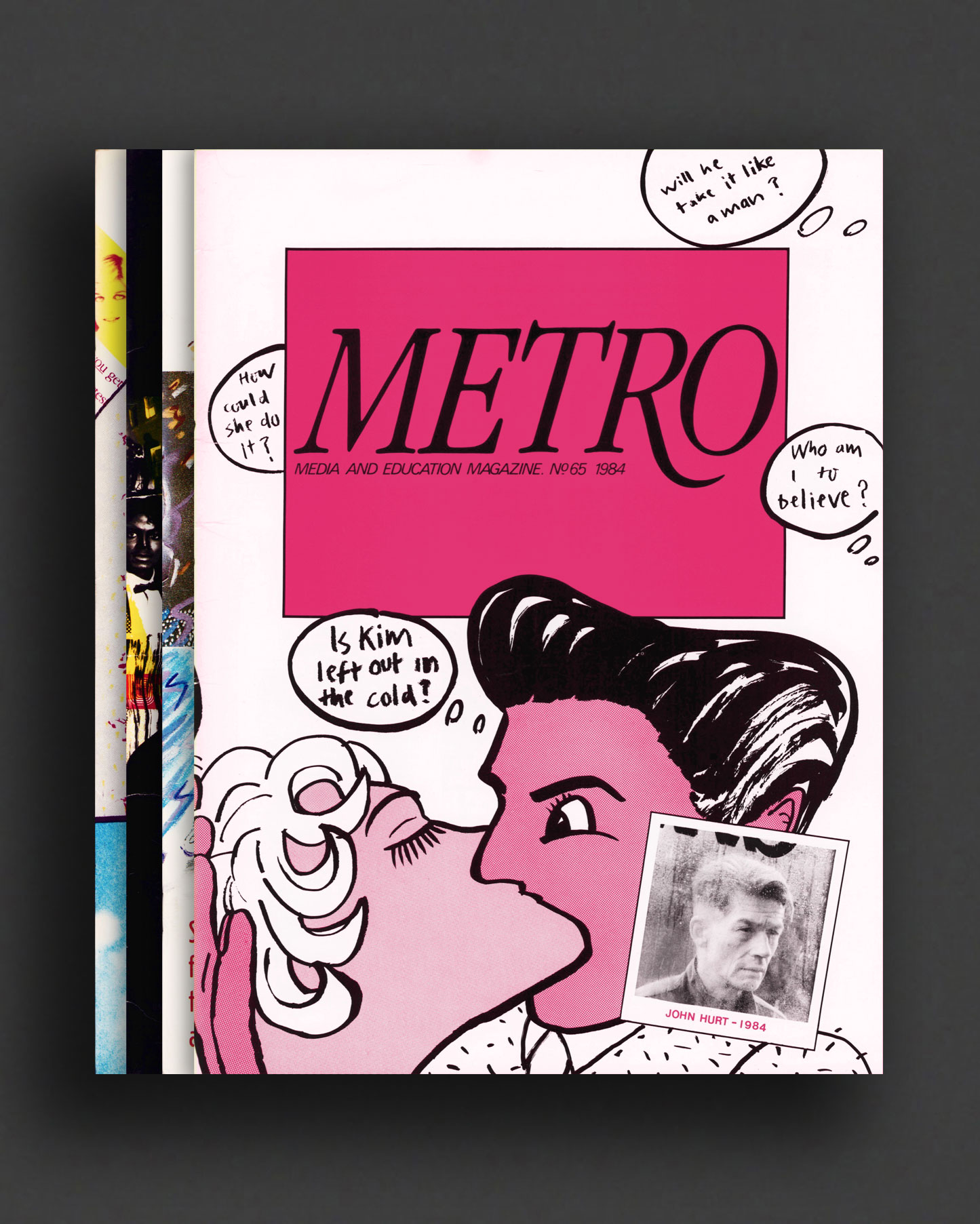
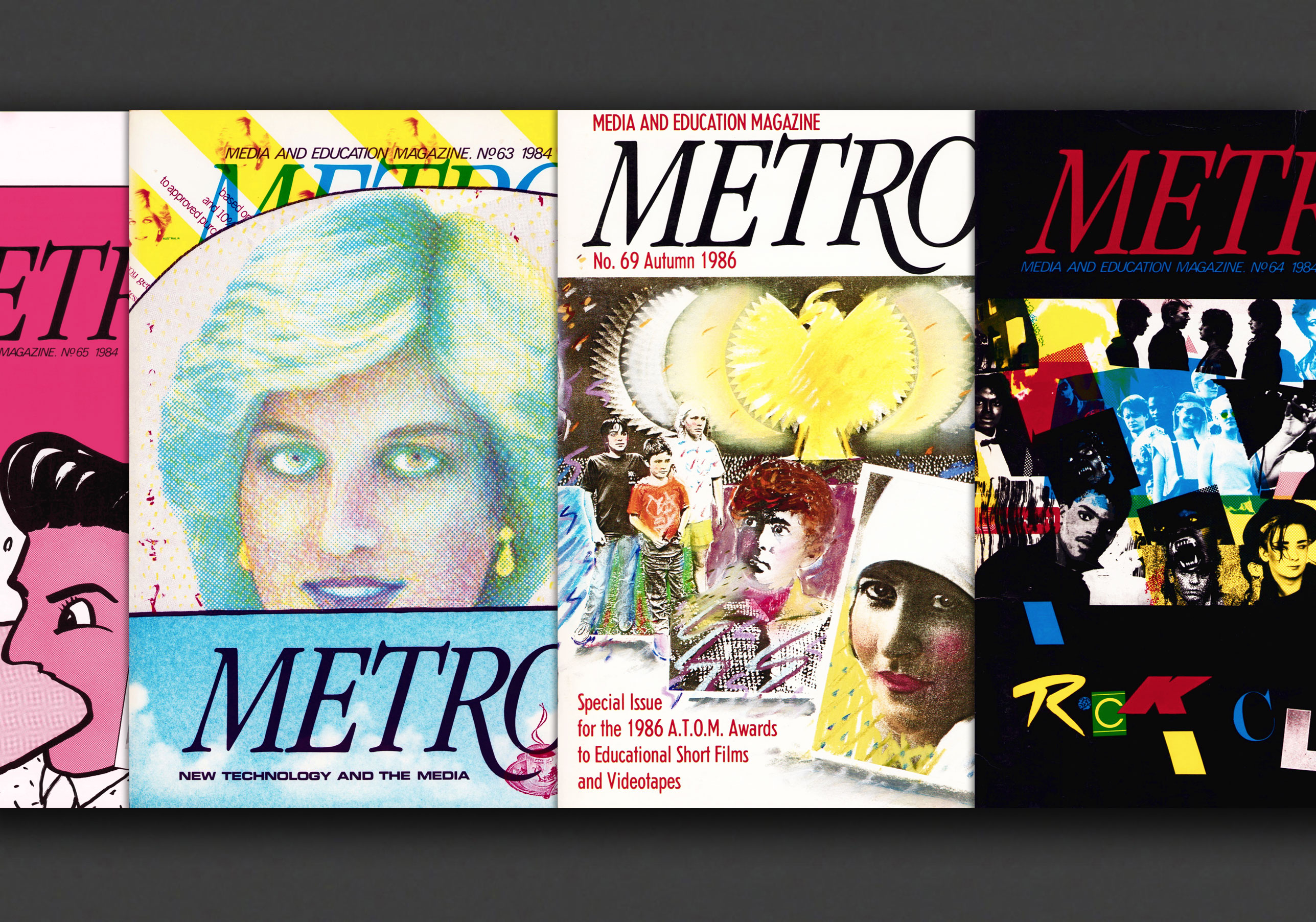
Lot of 4 early 1980's issues of Metro, Australia’s oldest film and media periodical. Founded in 1964 Metro is devoted to critical discourse on Australian screen culture. Includes Issue No. 63 (1984), Issue No. 64 (1984), Issue No. 65 (1984), Issue No. 69 (Autumn 1986), in the old over-sized, stapled format with excellent cover graphics and heavily illustrated throughout. With the subtitle "Media and Education Magazine", Metro was published at the time by the Australian Teachers of Media (A.T.O.M.) with assistance from the Australian Film Commission. Each issue packed with content on Australian film, video art, music videos, film history, film theory, film teaching, film industry, reviews, etc. School kids to Skinheads.
All VG, only light wear.
1982/1992, Japanese
Softcover, 192 pages, 21 x 14.5 cm
Out of print title / used / very good
Published by
Atelier Peyotl / Tokyo
$60.00 - In stock -
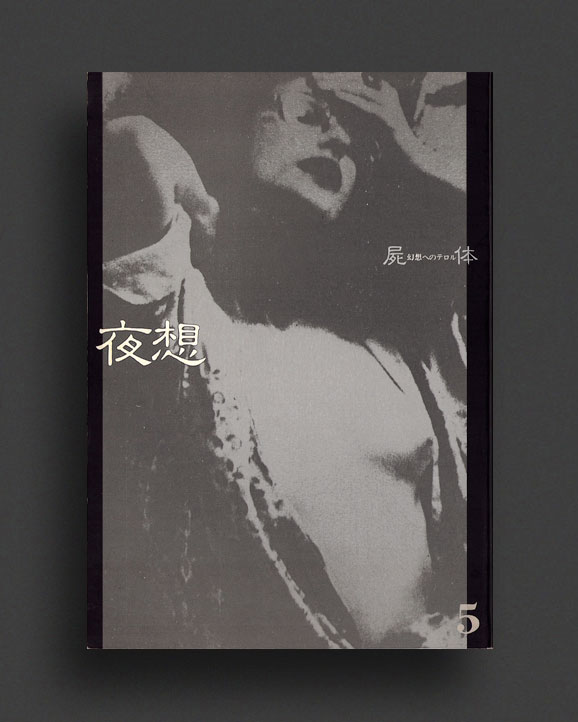
"Corpse" Special Feature Issue of cult Japanese underground magazine Yaso, first published in 1982, then re-printed in 1992, edited by Yuichi Konno and Atelier Peyotl (publishers of Night Vision/Yaso/Peyotl/Wave/Silvester Club...). Heavily illustrated with texts in Japanese that look at the theme of death and the dead in the arts, literature, occultism, ancient sciences, philosophy, mythology, poetry, film, crime, and much more. Features John Duncan, Tetsumi Kudo, Cosey Fanni Tutti, Masahisa Fukase, Franz Kafka, Johann Wolfgang von Goethe, Guillaume Apollinaire, Joe Potts (LAFMS), Takashi Ishii, Rudolf II — Holy Roman Emperor, Akinari Ueda, Marcel Duchamp, Chris Burden, Paul Celan, Alain Resnais, Gilyak Amagasaki, Shusaku Arakawa, Pieter Bruegel the Elder, Shuji Terayama, Andy Warhol, Charles Manson, Brian Wilson, Kyoko Endoh, Princess Yongtai, Salvador Dalí, Ono no Komachi, Kiyoshi Kasai, Caravaggio, Throbbing Gristle, Takizawa Bakin, Leno and Rosemary LaBianca, Manson Family, Fyodor Dostoevsky, Wu Zetian, Genesis P-Orridge, Yusuke Nakahara, Ranpo Lagrange, Mitsusada Fukasaku, Nakai Hideo, Richard Wagner, and many more.
Very Good copy.
1990, English
Hardcover (clothbound), 352 pages, 29.5 x 22 cm
1st Edition, Out of print title / used / very good
Published by
Loompanics Unltd / Port Townsend
$200.00 - In stock -
"Society's had their chance. I'm going hunting. Hunting humans."—James Oliver Huberty, 1984
Rare first 1990 blood-red clothbound hardcover edition of 'Hunting Humans: An Encyclopedia of Modern Serial Killers' comprehensively researched and compiled by Michael Newton and published by himself and the legendary Loompanics Unlimited, Washington, purveyors of the controversial. More than 500 detailed case histories of serial killers from the 20th Century. This disturbing book describes their lives & their exploits without any varnish or puffery — the chilling details speak for themselves. More than 60% of the killers described here have never been mentioned in a published book before. This huge book is an unforgettable chronicle of the world's most deranged homicidal maniacs. One of the most complete books on serial killers there is.
Very Good copy with some foxing to block edges and prelims. Light wear to boards.
1990, English
Softcover, 218 pages, 21.5 x 14.5 cm
1st Edition, Out of print title / used / very good
Published by
Routledge / London
$35.00 - Out of stock
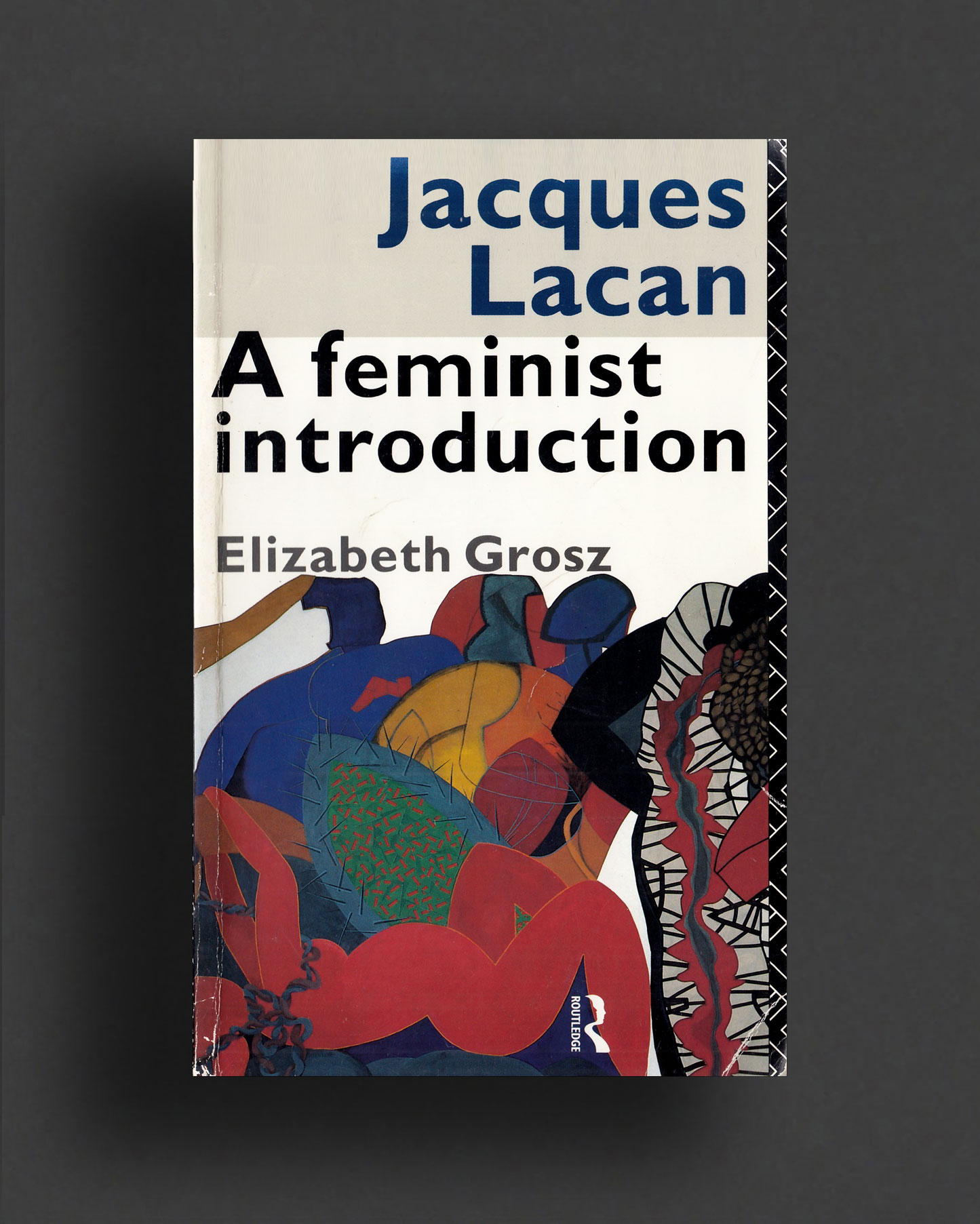
First 1990 edition.
Why has the work of Jacques Lacan been so influential in feminist, psychoanalytic, and literary theory?
Why have his writings caused so much debate and controversy?
Feminists interested in questions of subjectivity, knowledge, and desire can afford to ignore Lacan's work at their peril. Yet his views can be accepted only at great cost, for his position is clearly antagonistic to, not agnostic about, any feminism committed to an equality of the two sexes.
Elizabeth Grosz has written a critical overview of Lacan's work from a feminist perspective, introducing and discussing his major texts and providing a much needed background to many of his arguments. She points to the difficulty of 'independent' evaluation of this complex body of work - it is hard not to read Lacan on his own terms; and she discusses the arguments with which feminist critics have supported and countered his ideas. She outlines the debate as to whether he has merely described patriarchal power rela-tions, or whether his work, lacking historical and cultural qualification, insidiously advocates them.
Elizabeth Grosz is Senior Lecturer in the Department of General Philosophy at the University of Sydney.
Good—VG copy light general wear.
1993 / 1999, English
Softcover, 109 pages, 19.5 x 12.5 cm
Out of print title / used / very good
Published by
John Calder / London
$25.00 - In stock -
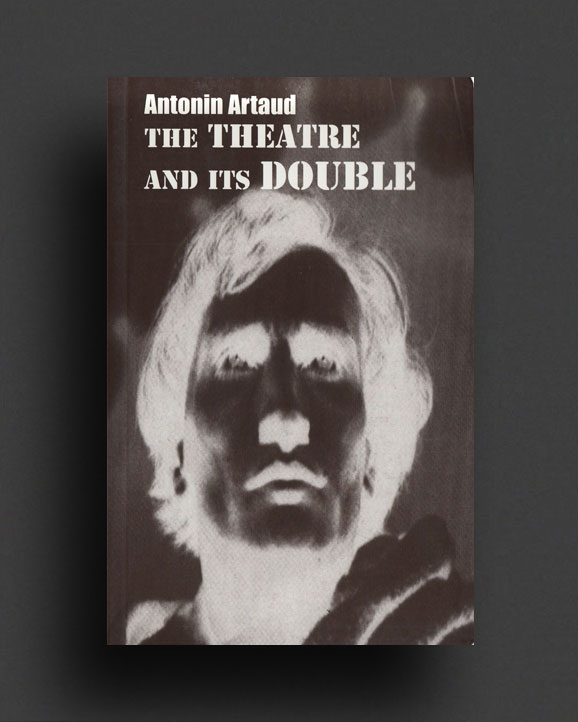
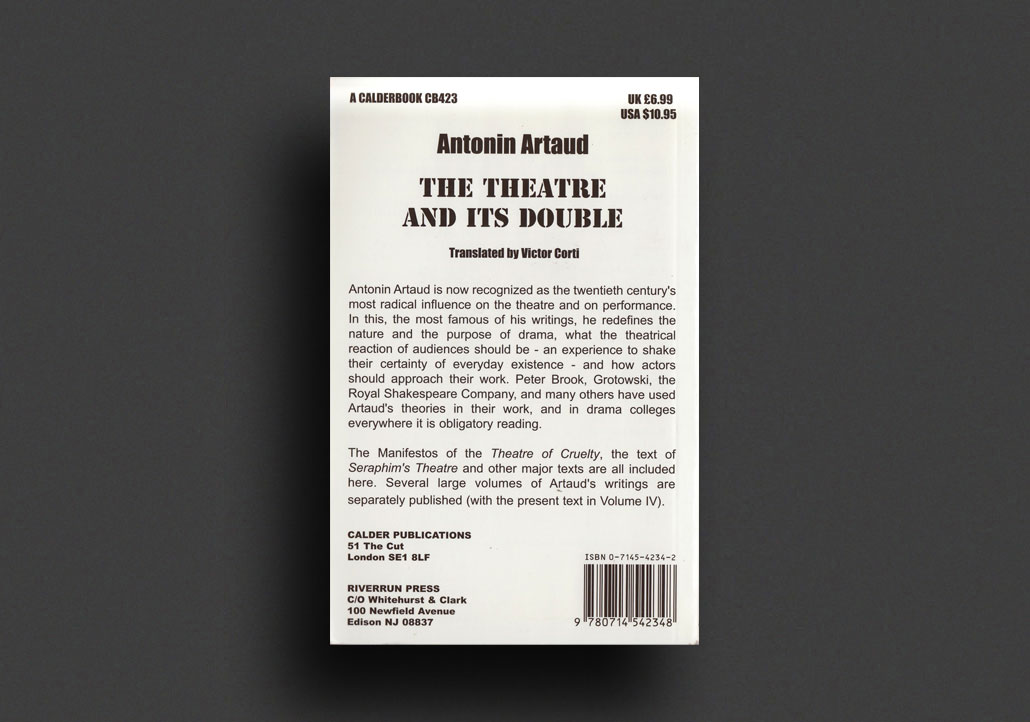
Antonin Artaud is now recognized as the twentieth century's most radical influence on the theatre and on performance. In this, the most famous of his writings, he redefines the nature and the purpose of drama, what the theatrical reaction of audiences should be an experience to shake their certainty of everyday existence and how actors should approach their work. Peter Brook, Grotowski, the Royal Shakespeare Company, and many others have used Artaud's theories in their work, and in drama colleges everywhere it is obligatory reading.
The Manifestos of the Theatre of Cruelty, the text of Seraphim's Theatre and other major texts are all included here.
This remarkable French playwright and poet was born in 1896. He was a leading figure in the Surrealist movement and despite a divergence of ideas remained a dedicated Surrealist all his life, devoting his time to the study of problems of conflict between man's physical and intellectual natures. He died in 1948.
Good copy.
2020, English
Softcover, 200 pages, 20.3 x 12.7 cm
Out of print title / as new
Published by
Rab-Rab Press / Helsinki
$100.00 - In stock -
Second edition, published in a run of 750 copies. All editions out-of-print.
Rab-Rab Press announces the publication of Free Jazz Communism, a new book actualising Archie Shepp–Bill Dixon Quartet at the 8th World Festival of Youth and Students in Helsinki 1962. Including archive material and documents, commissioned theoretical and historical texts, and interviews, the book edited by Sezgin Boynik and Taneli Viitahuhta contextualizes politics of free jazz music in light of global decolonisation movements, anti-war activism, structures of racial capitalism, and forms of avant-garde music.
By focusing on concerts of Shepp–Dixon Quartet, leading avant-garde jazz musicians from the US, in the socialist anti-colonial festival in Helsinki, the book is introducing complexities in the usual Cold War stories about the sixties, and pictures politics of jazz as something transcending boundaries of nation-state and capitalist market regulations.
Apart from the theoretical and historical overview by its editors, the book includes testimonies of the collective and international spirit of the 1962 Youth Festival, translated documents from Finnish press, a new interview with Archie Shepp, commissioned text by Jeff Schwartz on the historical context of political engagement of free jazz musicians, and reproduction of three hard-to-find texts by Shepp.
The book is designed by Ott Kagovere.
As New copy.
2001, English
Hardcover (w. galssine dust jacket), 254 pages, 22.5 x 18.5 cm
1st Edition, Out of print title / used / very good
Published by
University of California / Berkeley
International Centre of Photography / New York
$140.00 - In stock -
First 2001 hardcover edition of Behind Closed Doors: The Art of Hans Bellmer, Therese Lichtenstein's highly original book studying the the life-size, adolescent-girl dolls created by German artist Hans Bellmer in the 1930s.
Disturbing and controversial, Bellmer's dolls with their uncanny, fragmented bodies and eroticized poseswere just as shocking during Bellmer's time as they are today. Until now there has been little available in English about Bellmer's dolls, and Lichtenstein's book will be welcomed for its fresh interpretation of the artist's work and his place in European modernism. Eighty striking photographs accompany the text. Working during a time when Nazism was on the rise, Bellmer created several dolls with fragmented bodies that could be dismantled and arranged in various configurations. Using a narrative format, he then photographed the dolls in a range of grotesque, often sexual, positions. The images he conveyed were of death and decay, abuse and longing, in stark contrast to Nazism's mythic utopian celebration of adolescence.Lichtenstein interprets Bellmer's complex expressions of eroticism as a protest against the Nazis and also against his father, a cold and repressive Nazi sympathizer. At the same time, she says, by hyperbolically flaunting a passive femininity in a theatrical manner, Bellmer's images allow us to consider how cultural representations can affect the formation of identity and alternative possibilities.
"Behind Closed Doors reveals the complex structure behind these photographs of violated female adolescence, a structure in which sadism, masochism, hermaphroditism, fetishism, utopianism, and nostalgia all play a role. Above all, Lichtenstein's study makes clear the political aspect of these transgressive images: the way in which they served to question and undermine the contemporary authoritarian Nazi image of sexual 'normalcy' by recourse to a violent return of the repressed." -Linda Nochlin, author of Representing Women "Behind Closed Doors: The Art of Hans Bellmer is a compelling gathering of the narratives around psychoanalysis, visual culture, biology, and gender. Therese Lichtenstein rigorously examines Bellmer's picturing of the body as the site of desire, confusion, and sudden disaster, and in doing so produces a telling tale of history's secrets and lies."—Barbara Kruger
Therese Lichtenstein has taught art history and museum studies at New York University, Rice University, and Mount Holyoke College.
Very Good copy in Good original glassine dust jacket with some light wear.
1992, English / French
Softcover (staple-bound), 64 pages, 24.5 x 19 cm
1st Edition, Out of print title / used / very good
Published by
Purple Institute / Paris
$580.00 - In stock -
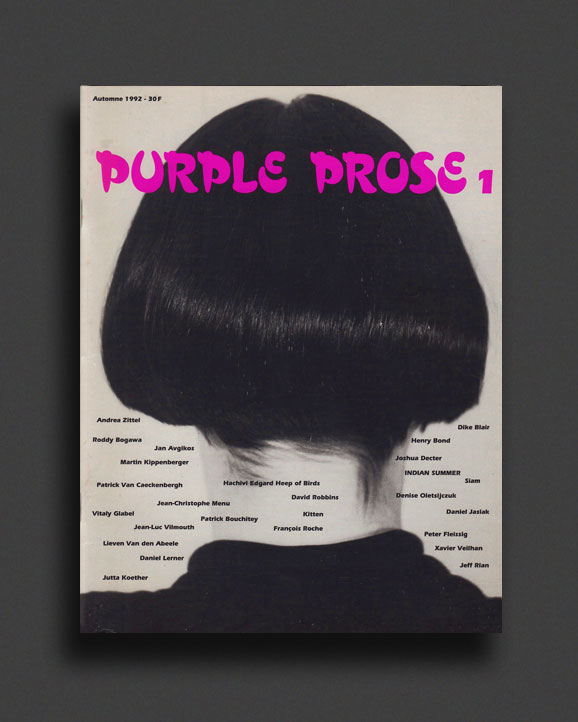
The true beginning of Purple — the very rare first issue of Elein Fleiss and Olivier Zahm's Purple Prose, published in 1992. Founded as a reaction against the superficial glamour of the 1980’s, Purple Prose embraced the immediate fanzine aesthetics of what became referred to as 1990's anti-fashion, a far cry from what we now identify with Purple Fashion with.
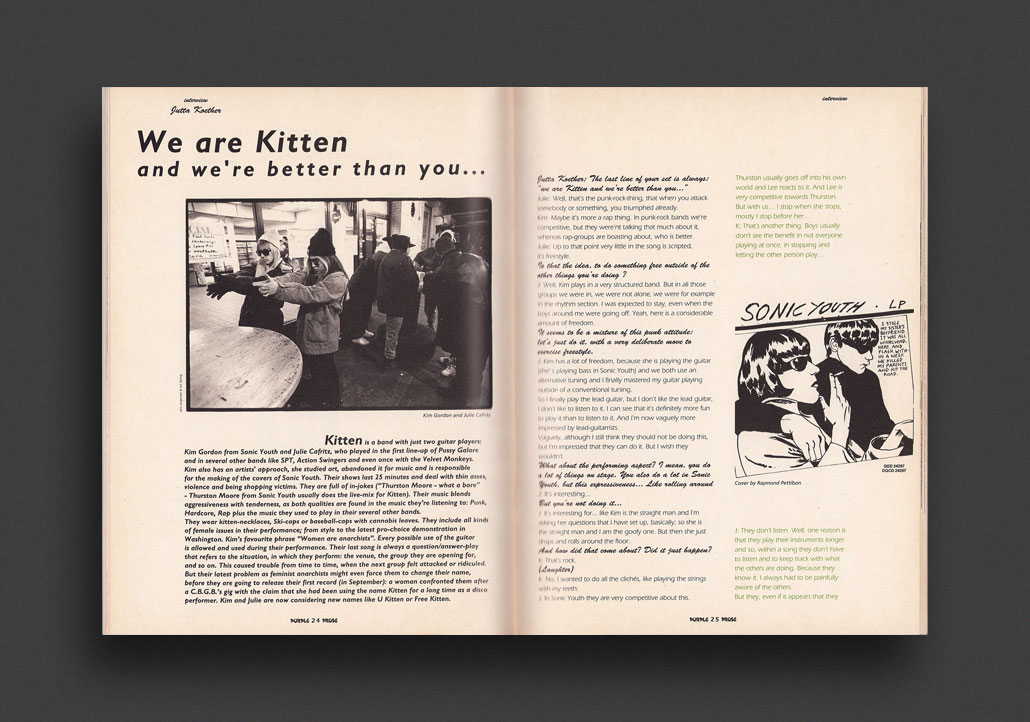
Purple Prose 1, Automne 1992, features contributions by Dike Blair, Andrea Zittel, Joshua Decter, Henry Bond, Daniel Lemer, Jutta Koether, Andrea Zittel, Roddy Bogawa, Jon Moritsugu, Jacques Boyreau, Jan Avgikos, Martin Kippenberger, Patrick Van Caeckenbergh, Edgar Heap of Birds, David Robbins, Jean-Christophe Menu, Vitaly Glabel, Kitten (pre—Free Kitten: Kim Gordon of Sonic Youth and Pussy Galore's Julia Cafritz), Patrick Bouchitey, Jean-Luc Vilmouth, François Roche, and many more.
Soon after the birth of Purple Prose, Zahm created spin-off publications like Purple Sexe, Purple Fiction and what we now know and love, Purple Fashion. Zahm aimed at fusing together his two worlds, fashion and art, in creating Purple Fashion.
Before entering the world of fashion, Zahm worked as an art critic with widespread recognition for his work as a curator as well as his participation in over 150 exhibitions featuring international contemporary art. In 1994, Zahm and Fleiss curated “The Winter of Love,” a hit show for the Museum of Modern Art in Paris that they later took to P.S.1 in New York. In responding to the superficial glamour of the 1980s, Zahm co-founded Purple Prose magazine. In the introduction of Purple Anthology, Zahm shares why he chose to create Purple Prose:
"We launched Purple Prose in the early 1990s without any means, and without any experience, because we wanted to make a magazine that was radically different. We wanted to support the artists around us that no one else supported, much less talked about. [..] It would be a form of opposition of our own".
Very Good—Near Fine copy, light wear.
2004, English / French
Softcover (staple-bound), 21 x 27.5 cm
1st Edition, Out of print title / used / very good
Published by
Purple Institute / Paris
$180.00 - In stock -
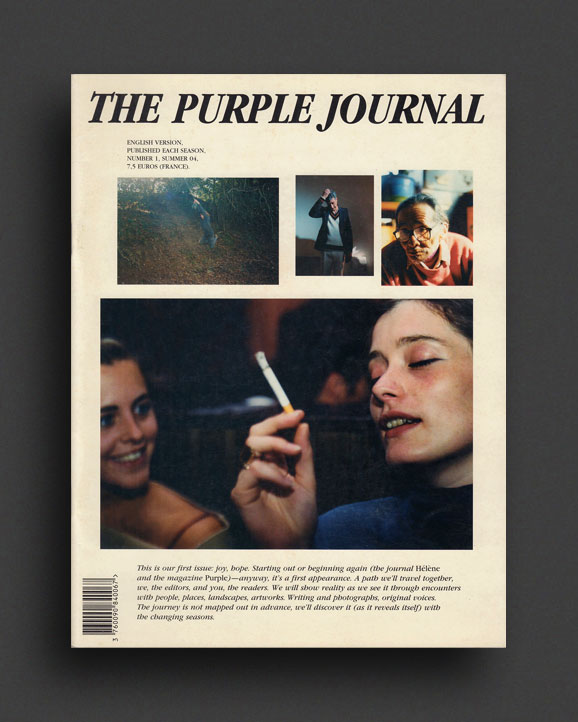
Rare copy of the first issue of The Purple Journal, featuring Elein Fleiss, Jeffrey Rian, Dorothée Perret, Mark Borthwick, Gérard Duguet-Grasser, Laetitia Benat, Marina Faust, Allen Ginsberg, Susan Cianciolo, Henry Roy, Lizzi Bougatsos, Anders Edström, Maurizio Cattelan, Takashi Homma, Michel Zumpf, Chikashi Suzuki, Barbet Schroeder, Alain Lacroix, Jonathan Boulting, Maison Martin Margiela, Cora Maghnaoui, Claude Lévêque, Beth Yahp, Cosmic Wonder, Angela Hill, Ferdinand Gouzon, Comme des Garçons, Curtis Winter, Beth Yahp, Ferdinand Gouzon, Curtis Winter, Manon de Boer, Christophe Brunnquell, Sébastien Jamain, Tiphaine Samoyault, Helmut Lang, Veronique Branquinho, Sébastien Jamain, Dominique Gonzalez-Foerster, Sharon Mesmer, Gérard Duguet-Grasser, and much more. Includes the special Paris supplement (16 pages).
"This is our first issue: joy, hope. Starting out or beginning again (the journal Hélène and the magazine Purple)-anyway, it's a first appearance. A path we'll travel together, we, the editors, and you, the readers. We will show reality as we see it through encounters with people, places, landscapes, artworks. Writing and photographs, original voices. The journey is not mapped out in advance, we'll discover it (as it reveals itself) with the changing seasons."—the editors
In 1992 Olivier Zahm and his partner Elein Fleiss printed the first issue of Purple Prose, a Parisian literary art zine that over the years has evolved into Purple Fashion Magazine. Soon after the birth of Purple Prose, Zahm and Fleiss created spin-off publications like les cahiers purple, Purple Sexe, Purple Fiction, and of course, Purple Fashion. Zahm aimed at fusing together his two worlds, fashion and art, in creating Purple Fashion.
Very Good copy, light wear/age/rippling to page edges.
1988, English
Hardcover (w. dust jacket), 200 pages,
1st Edition, Out of print title / used / very good
Published by
The MIT Press / Massachusetts
$25.00 - In stock -
First 1988 HC edition.
These conversations between two linguistic scholars who were also husband and wife cover such topics as the characterization of the phoneme, symbolist poetry, the genetic basis of language, linguistic universals, semiotic systems, and aphasia and the process of language acquisition by children. In an afterword Pomorska describes Jakobson's acquaintances, friendships, and collaborations with international poets and artists.
Roman Osipovich Jakobson (1896-1982 ) was a Russian linguist and literary theorist. A pioneer of structural linguistics, Jakobson was one of the most celebrated and influential linguists of the twentieth century.
Krystyna Pomorska (1928-1986), a noted specialist of Slavic literature and literary theory, is best known for her pioneering work in applying Roman Jakobson's theories of poetics to prose narratives. This collection draws together and makes accessible her writings over two decades (among them articles appearing in English for the first time), and treats a wide range of Slavic literary works, including Pushkin, Tolstoy, Pasternak, Chekov, and Solzhenitsyn, as well as examples from Polish and Ukrainian literature and folklore.
VG/G dust jacket wit some wear/sunning.
1986, English
Hardcover (w. dust jacket), 172 pages, 22 x 14.5 cm
1st Edition, Out of print title / used / very good
Published by
University of Iowa Press / Iowa
$30.00 - In stock -
First HC 1986 edition.
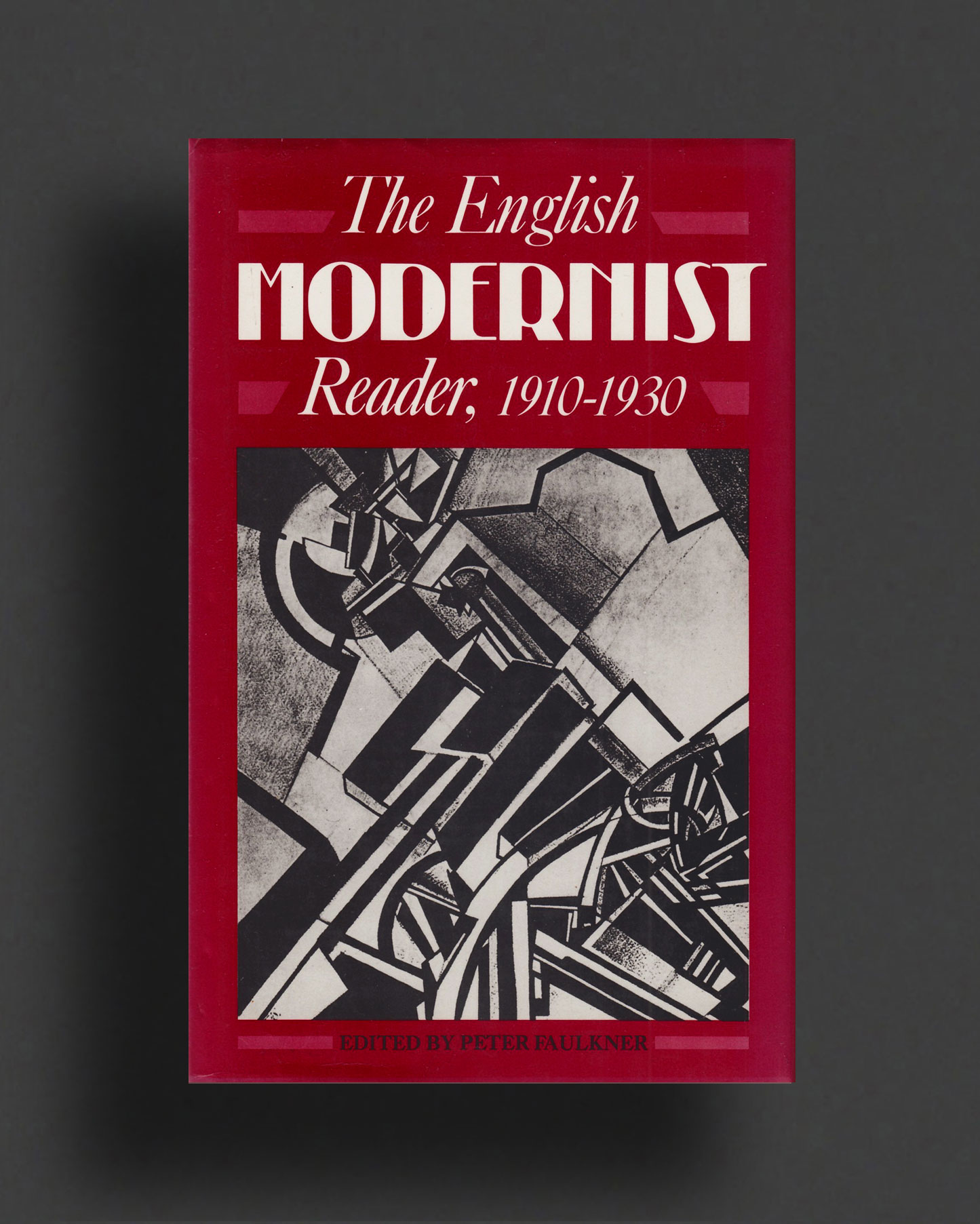
This compelling volume represents nothing less than a documentary history of the English Modernist movement in literature. The collection assembles— for the first time in one compact volume — the primary documents of the major novelists, poets, and critics of the period, revealing the basic concerns and origins of Modernism in England.
In his introduction, Faulkner provides a critical and historical framework for the study of the texts and examines many topics including the origins of English Modernism, whether it came to an end in 1930, and some of the most recent debates about the movement.
Faulkner chooses not to minimize the disagreements among the writers but to let each selection speak for itself. He includes letters from Henry James to Hugh Walpole, T. S. Eliot's "Tradition and the Individual Talent," Virginia Woolf's "Modern Fiction,' D. H. Lawrence's "Why the Novel Matters," and more. Read together, these key documents illuminate one another, especially in the context of their lesser known but critically important contemporaries.
Examining the writing of authors and critics between 1910 and 1930 is an important first step in understanding English literary history and the profound influence English Modernists had on twentieth-century literature. The English Modernist Reader is destined to be the standard reference work for all students of English and modern literature.
Peter Faulkner, Reader in the School of English at the University of Exeter, is the author of books on Modernism, William Morris, and Angus Wilson.
VG/VG copy.
2025, English
Hardcover (w. dust jacket), 480 pages, 24.2 x 16.7 cm
Published by
Penguin Putnam / New York
$59.00 - In stock -
'Haunting, elegant and fiercely intelligent'—OBSERVER
'A great writer can make art of the most grotesque material, and Fraser does'—WALL STREET JOURNAL
'Lyrically luminescent'—NEW YORK TIMES
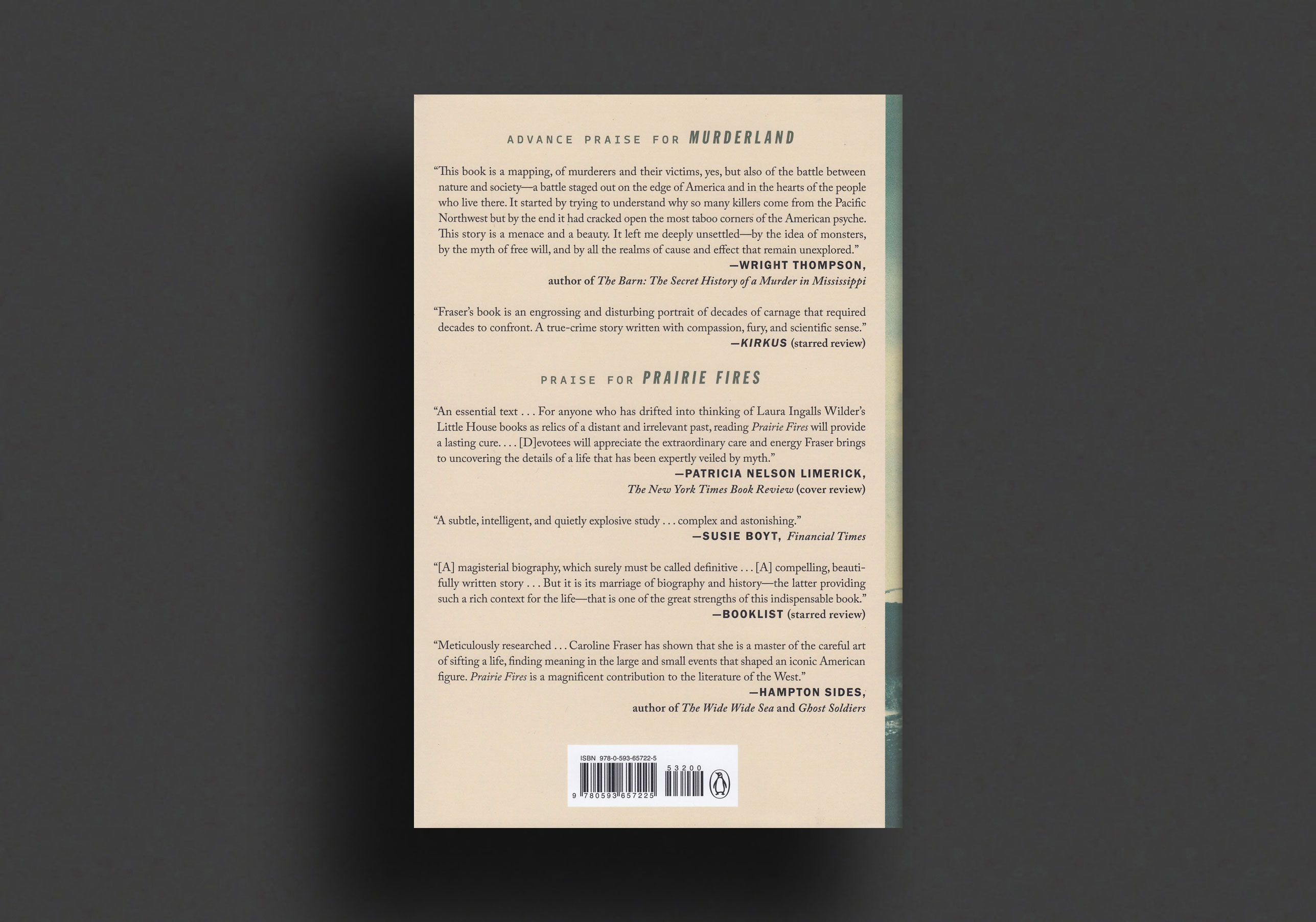
A terrifying true-crime history of serial killers in the Pacific Northwest and beyond—a gripping investigation of how a new strain of psychopath emerged out of a toxic landscape of deadly industrial violence
Caroline Fraser grew up in the shadow of Ted Bundy, the most notorious serial murderer of women in American history, surrounded by his hunting grounds and mountain body dumps, in the brooding landscape of the Pacific Northwest. But in the 1970s and ’80s, Bundy was just one perpetrator amid an uncanny explosion of serial rape and murder across the region. Why so many? Why so weirdly and nightmarishly gruesome? Why the senseless rise and then sudden fall of an epidemic of serial killing?
As Murderland indelibly maps the lives and careers of Bundy and his infamous peers in mayhem—the Green River Killer, the I-5 Killer, the Night Stalker, the Hillside Strangler, even Charles Manson—Fraser’s Northwestern death trip begins to uncover a deeper mystery and an overlapping pattern of environmental destruction. At ground zero in Ted Bundy’s Tacoma stood one of the most poisonous lead, copper, and arsenic smelters in the world, but it was hardly unique in the West. As Fraser’s investigation inexorably proceeds, evidence mounts that the plumes of these smelters not only sickened and blighted millions of lives but also warped young minds, including some who grew up to become serial killers.
A propulsive nonfiction thriller, Murderland transcends true-crime voyeurism and noir mythology, taking readers on a profound quest into the dark heart of the real American berserk.
'Breathlessly propulsive . . . Fraser's prose is lyrical, elegiac'—JOYCE CAROL OATES, NEW YORK REVIEW OF BOOKS
'Extraordinarily well-written and genre-defying . . . a moody masterpiece'—NEW YORKER
'Murderland reads like a true crime thriller'—SUNDAY TIMES
1963, English
Softcover, 558 pages, 18 x 11 cm
1st Edition, Out of print title / used / very good
Published by
Penguin Books / London
$25.00 - Out of stock
First 1963 softcover edition.
From the burning of witches and the disembowelling of traitors...
The long, lurid story of crime, detection, conviction, and punishment; of murder as a lust and murder as a trade; of mutilation, torture, lynching, and flogging; of guillotine, gallows, and gas; of outlaws in the forest and gangsters in the streets; of police work, from Vidocq to Scotland Yard and the F.B.I.; of trial by ordeal and trial by jury; and of the slow, measured steps of progress and reform
...to forensic science and prisons without bars
Good copy with light general wear/age/toning.
2025, English
Softcover, 96 pages, 17.7 x 11.4 cm
Published by
Semiotext(e) / Los Angeles
$35.00 - Out of stock
A foundational work of queer theory.
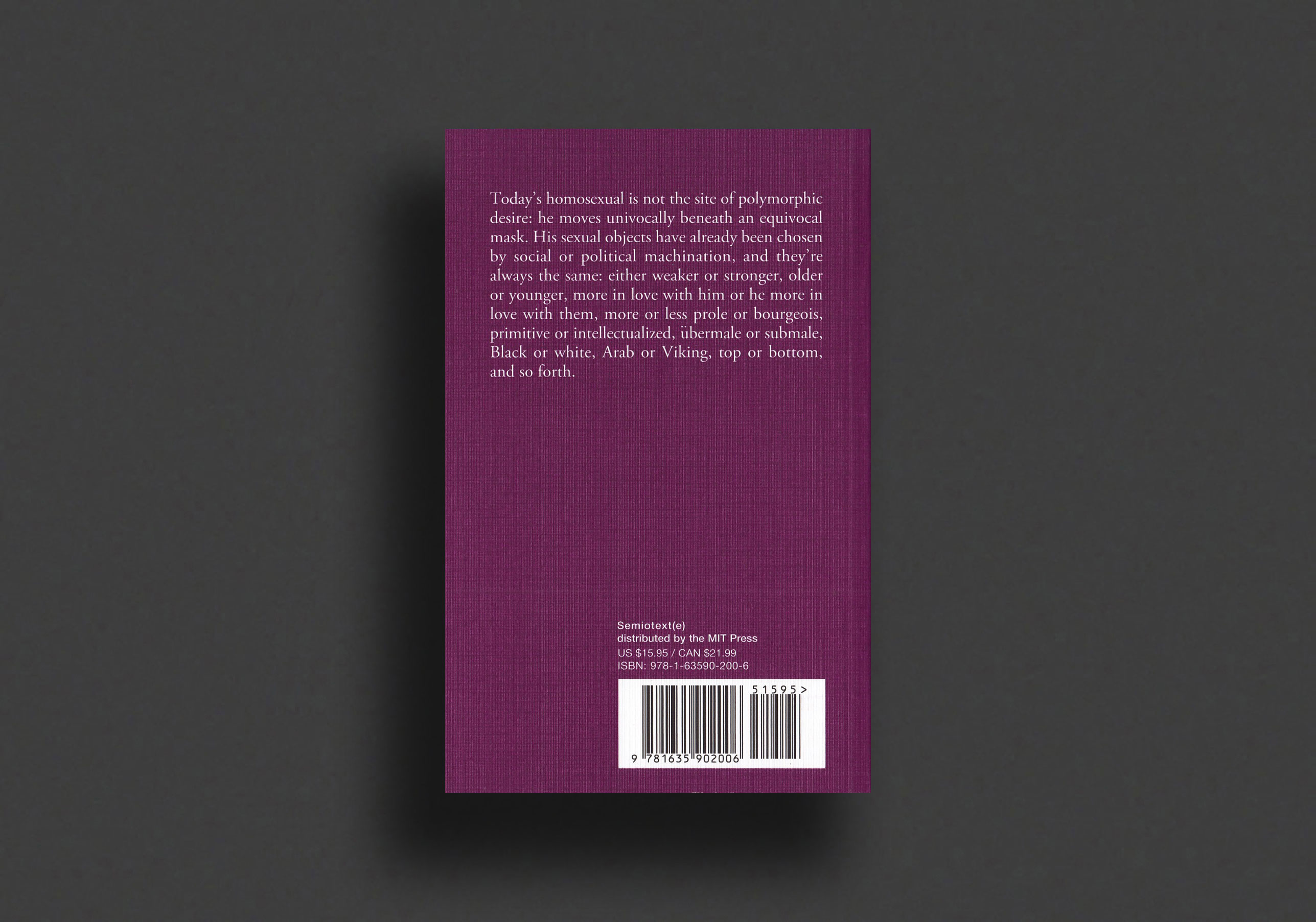
First published anonymously in the notorious "Three Billion Perverts" issue of Félix Guattari's journal Recherches—banned by French authorities upon its release in 1973—The Screwball Asses was erroneously attributed to Guy Hocquenghem when it was first published in English in 2009. This second edition of that translation, with a new preface by Hocquenghem biographer Antoine Idier that clarifies the different theoretical positions within France's Front Homosexuel d'Action Révolutionaire, returns the text to its true author: writer, journalist, and activist Christian Maurel.
In this dramatic treatise on erotic desire, Maurel takes on the militant delusions and internal contradictions of the gay-liberation movement. He vivisects not only the stifled mores of bourgeois capitalism, but also the phallocratic concessions of so-called homophiles and, ultimately, the very act of speaking desire. Rejecting any “pure theory” of homosexuality that would figure its “otherness” as revolutionary, Maurel contends that the ruling classes have invented homosexuality as a sexual ghetto, splitting and mutilating desire in the process. It is only when nondesire and the desire of desire are enacted simultaneously through speech and body that homosexuality can finally be sublimated under the true act of “making love.” There are thousands of sexes on earth, according to Maurel, but only one sexual desire. The Screwball Asses is a revelatory disquisition.
Introduction by Antoine Idier
Translated by Noura Wedell
2006, Japanese
Softcover (w. dust jacket/obi), 135 pages, 26.2 x 21 cm
1st Edition, Out of print title / used / very good
Published by
Hobby Japan / Tokyo
$65.00 - Out of stock
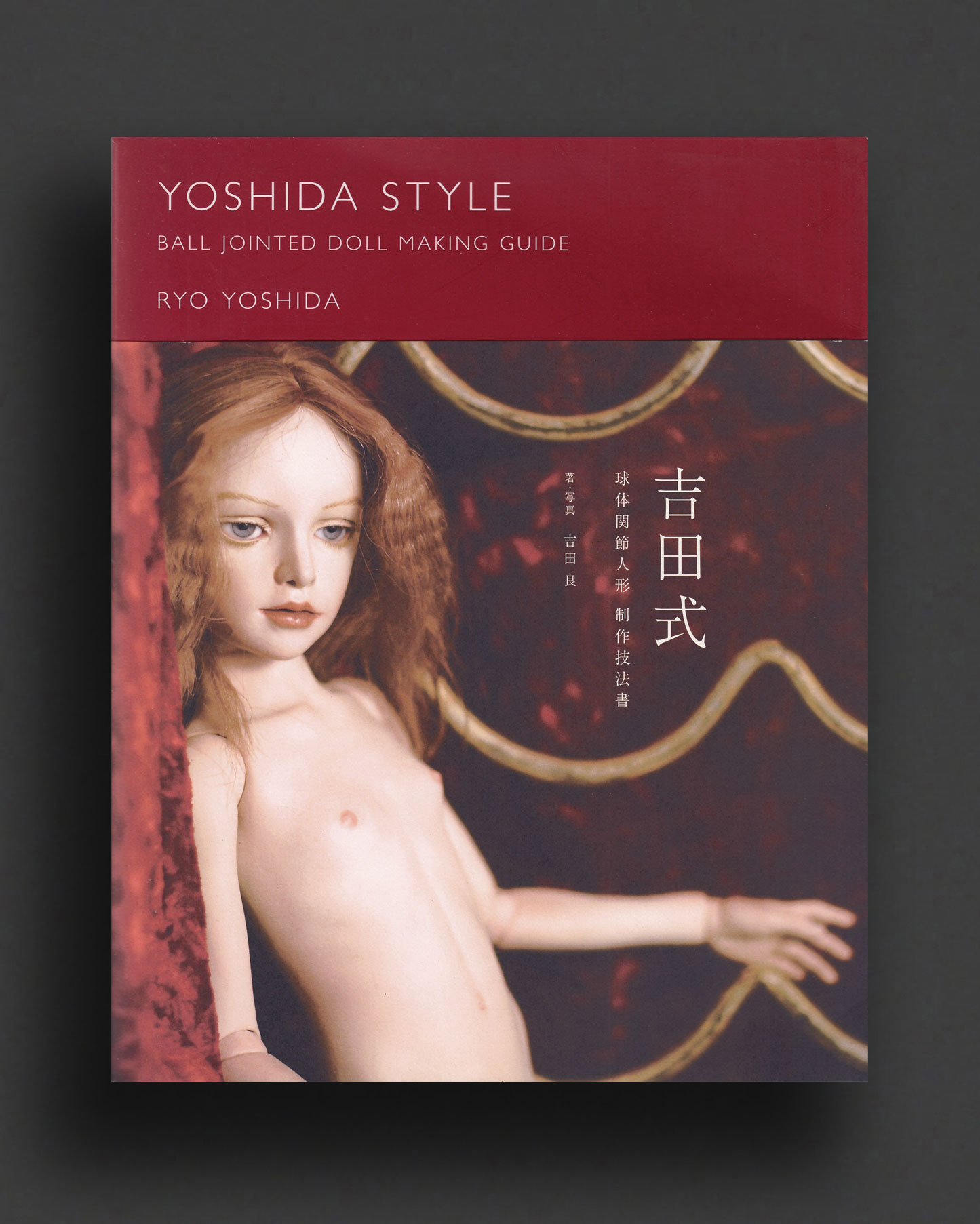
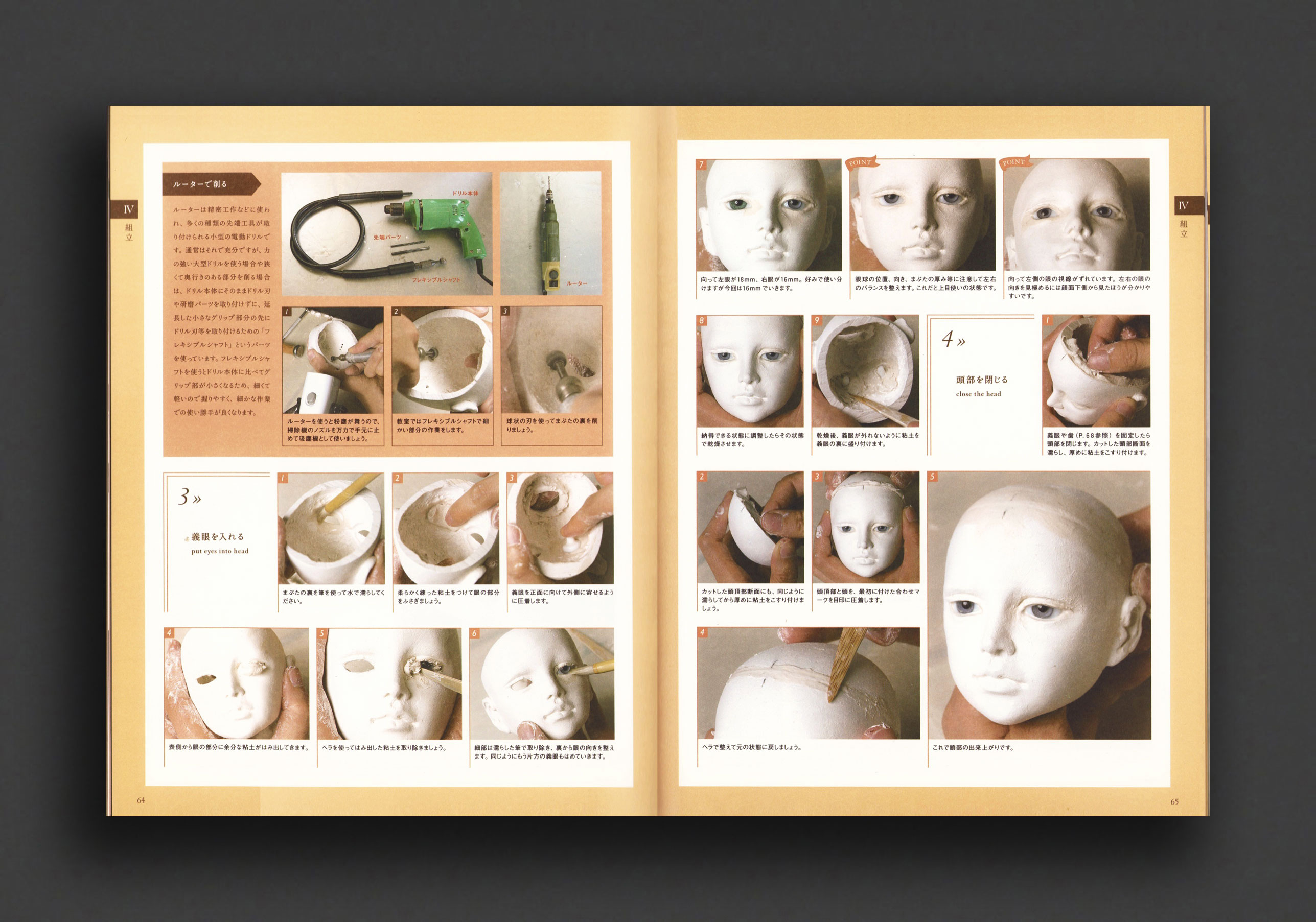
Japanese artist Ryo Yoshida is a pioneer of ball-jointed dolls, a writer, and a photographer who has worked on Katan Amano's doll photography. Profusely illustrated, this valuable sculptor's book is made up of all the practical lessons Yoshida has cultivated in his own classroom at Doll Space Pygmalion in Jiyugaoka (est. 1983) and has expanded from his popular serialized step-by-step HOW TO lessons in the monthly magazine Hobby Japan. A teaching aid and art book, many doll photographs with an emphasis on intricate and detailed materiality are included that you would not find anywhere else. It also contains photographic galleries of examples of Mr. Yoshida's works. At the end of the book is a list of Japanese shops where you can purchase hard-to-find doll-related materials. This is a long-awaited book for doll fans and those who aspire to create dolls and human figures.
"These days, many young people enjoy customizing and making their own dolls. There are many products featuring characters from animations & games in the market, and dolls are found even in art scenes. Dolls are not only for girls, but it has been growing a more popular hobby beyond the OTAKU world. This book is based on the serial HOW TO articles "RYO YOSHIDA Ball Jointed Doll Making Guide" in Monthly HOBBY JAPAN for 19 months since Oct-2004 issue. I have added more explanations and photographs to help especially beginners understand techniques of doll making. Please start making your original doll. I wish that this book may help you. I am sure that making your own doll will bring you joy and happiness of handicraft."—Ryo Yoshida (Introduction)
Very Good copy.
2016, English
Softcover, 96 pages, 27.8 x 21.4 cm
Published by
Seagull Books / London
$39.00 - Out of stock
Translated by Donald Nicholson-Smith
Edited with a Preface by Évelyne Grossman
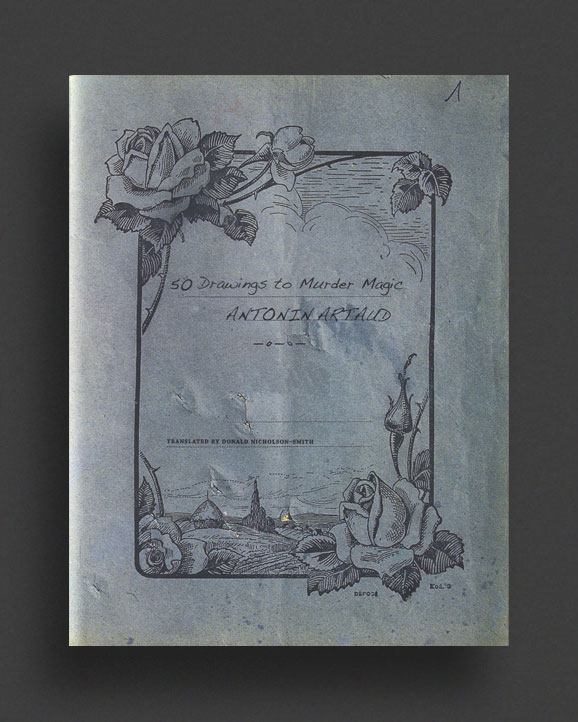
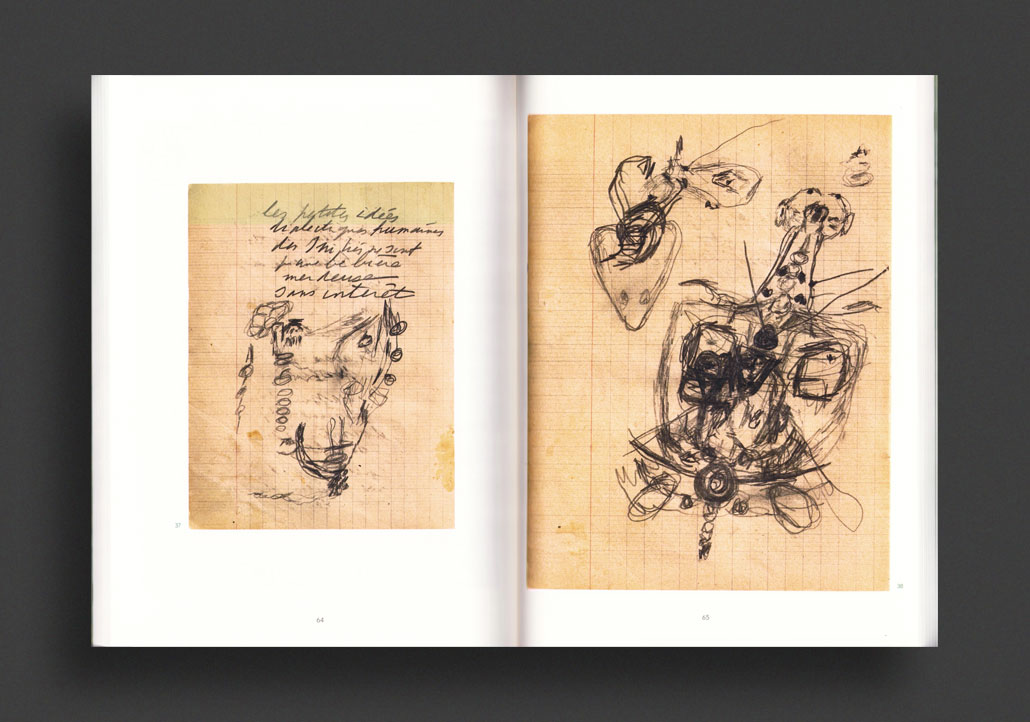
A poet, philosopher, essayist, playwright, actor, and director, Antonin Artaud was a visionary writer and a major influence within and beyond the French avant-garde. A key text for understanding his thought and his appeal, 50 Drawings to Murder Magic is rooted in the nine years Artaud spent in mental asylums, struggling with schizophrenia and the demonic, persecutory visions it unleashed. Set down in a dozen exercise books written between 1946 and 1948, these pieces trace Artaud’s struggle to escape a personal hell that extends far beyond the walls of asylums and the dark magicians he believed ran them.
The first eleven notebooks are filled with fragments of writing and extraordinary sketches: totemic figures, pierced bodies, and enigmatic machines, some revealing the marks of a trembling hand, others carefully built up from firm, forceful pencil strokes. The twelfth notebook, completed two months before Artaud’s death in 1948, changes course: it’s an extraordinary text on the loss of magic to the demonic—the piece that gives the book its title.
“Artaud matters,” wrote John Simon in the Saturday Review years ago. Nearly seventy years after his death, that remains true—perhaps more than ever.
"A gloriously reproduced edition . . . . There is something in this text that speaks to the creative process--especially to the degree to which so much of what the writer or artist commits to the page (or canvass) extends from a place beyond conscious attention, to be received actively but without specific intention."—Rough Ghosts
1972, English
Softcover, 170 pages, 18 x 11 cm
1st Edition, Out of print title / used / very good
Published by
New English Library / London
$35.00 - Out of stock
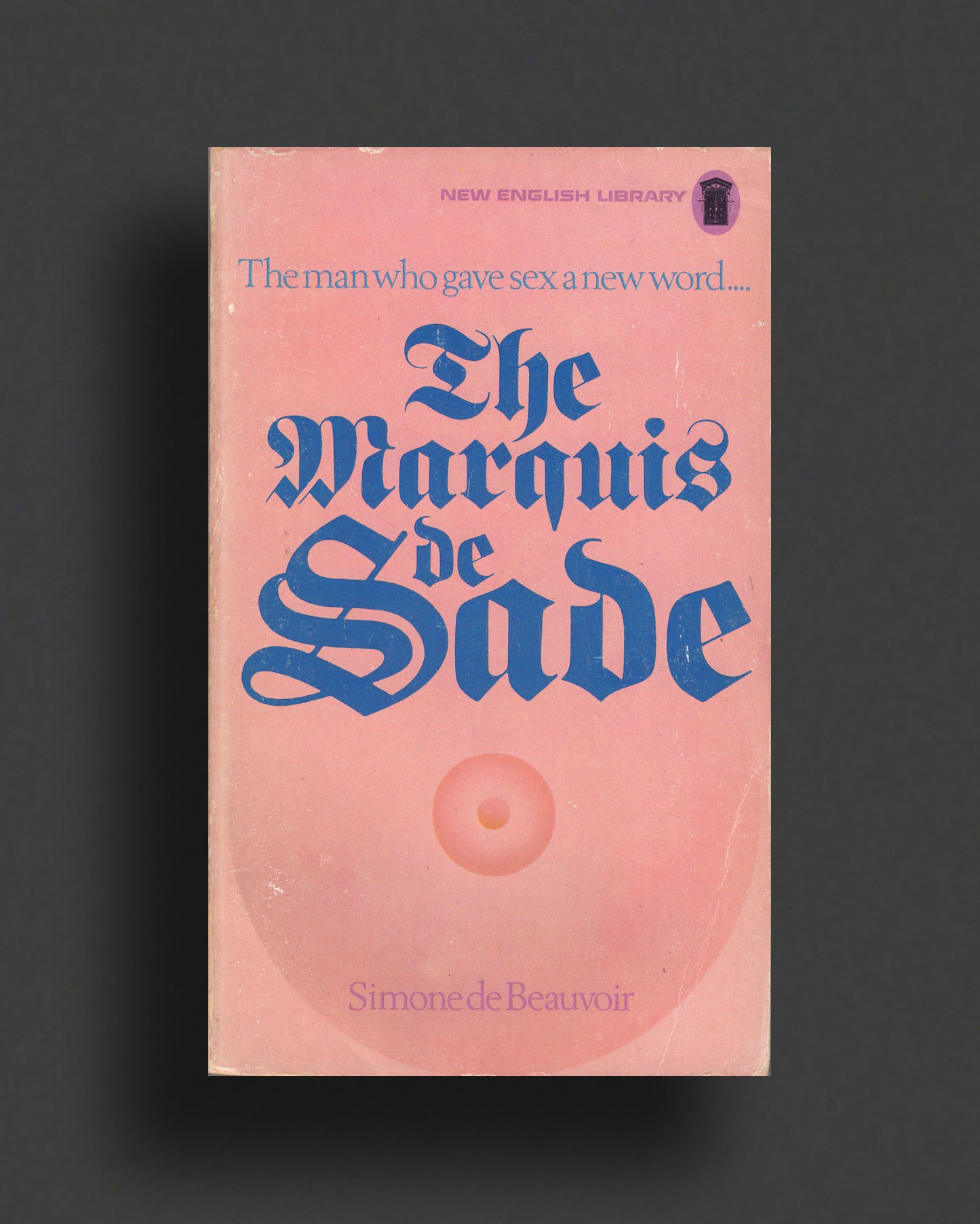
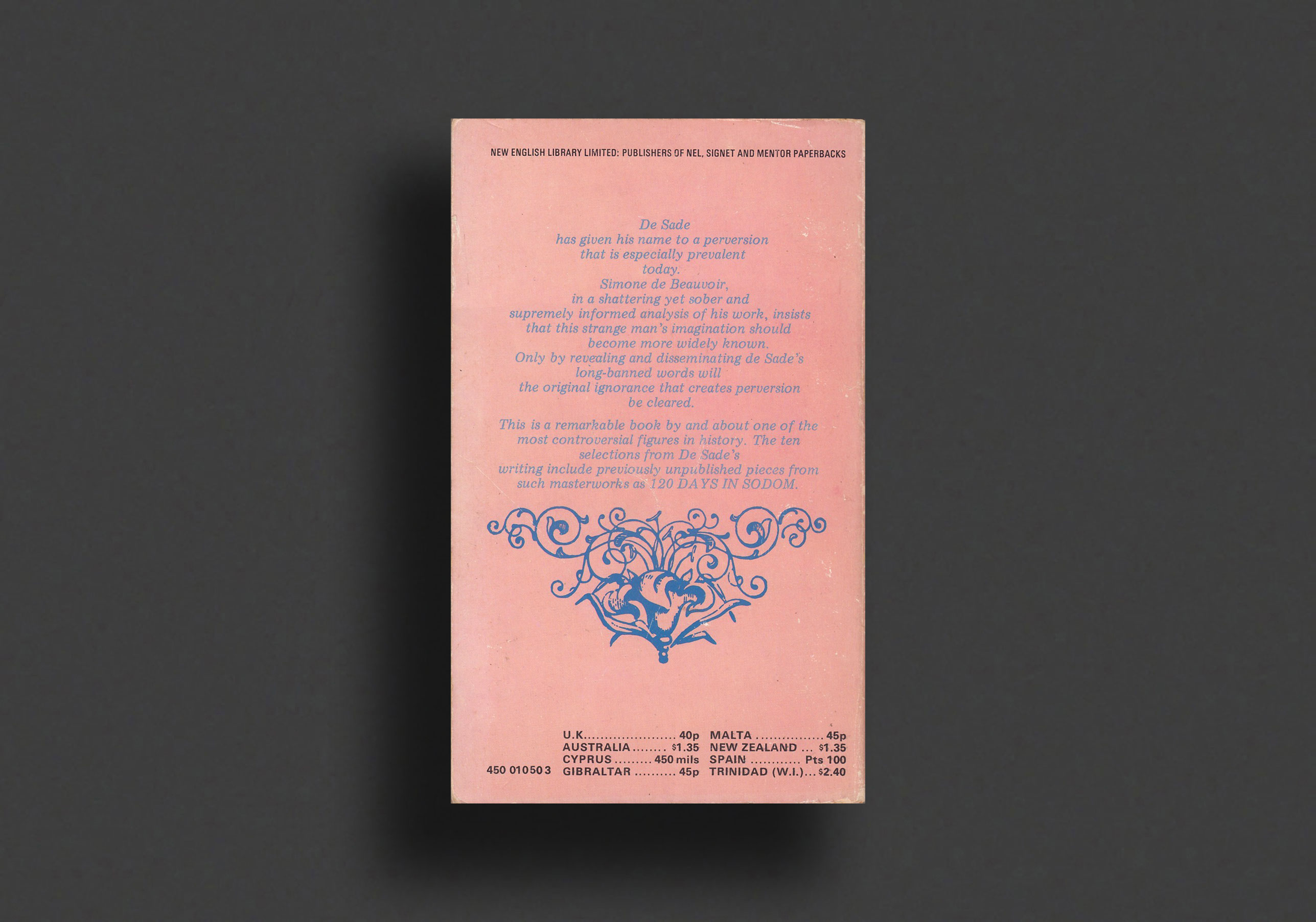
Lovely 1972 New English Library paperback edition of The Marquis de Sade, an essay by Simone de Beauvoir. This is a remarkable book by and about one of the most controversial figures in history, written by the famous French existentialist philosopher, writer, social theorist, and feminist activist, de Beauvoir. The essay is accompanied by ten selections from De Sade's writing, including previously unpublished pieces from such masterworks as 120 DAYS IN SODOM.
"De Sade has given his name to a perversion that is especially prevalent today. Simone de Beauvoir, in a shattering yet sober and supremely informed analysis of his work, insists that this strange man's imagination should become more widely known. Only by revealing and disseminating de Sade's long-banned words will the original ignorance that creates perversion be cleared."
Very Good copy with light wear, toned pages.
1998, French
Softcover (+ mini-cd), 142 pages, 18 x 14 cm
1st Edition, Out of print title / used / very good
Published by
Episodic / Paris
$20.00 - Out of stock
Rare copy of the 1998 double issue of French art/media theory zine Episodic, with this issue (4.5) including 3-track 3" mini-cd with multimedia section including a Sim City prop, plus exclusive abstract/experimental/minimal tracks by Sister Iodine, Mika Vainio (of Pan Sonic) and Oval. Each issue was built around a specific theme (or publishing principle), combining a variety of media and fields. This double issue — consacré à la ville / l’urbanisme à l’ère du numérique (dedicated to the city / urban planning in the digital age). The epitome of glitch graphic design. Berlin, Bilbao, Bordeaux, Dordogne, Grenoble, Helsinki, Kobe, Lille, Londres, Los Angeles, Montreuil, Nantes, New York, Ostende, Paris, São Paulo, Saint Pétersbourg, Sim-City, Stockholm, Venise… › Accession-à-la-douceur-de-vivre, Boris Achour, Yann Beauvais, Blockhaus DY 10, Guy Chevalier, Décé, Le fournil, Olivier Francès, Walter Friedman, Alexander R. Hickox, Laura Keller, Rubens Machado, Miles Kingsley McKane, Claire Maugeais, Jean-Claude Moineau, Nicolas Moulin, Jean-Christophe Nourisson, Oxymore, Yves Pélissier, Jérôme Saint-Loubert Bié…
VG copy w/ mini-cd
1973, English
Softcover, 348 pages, 17. 5 x 11.5 cm
1st Edition, Out of print title / used / good
Published by
Panther / London
$45.00 - Out of stock
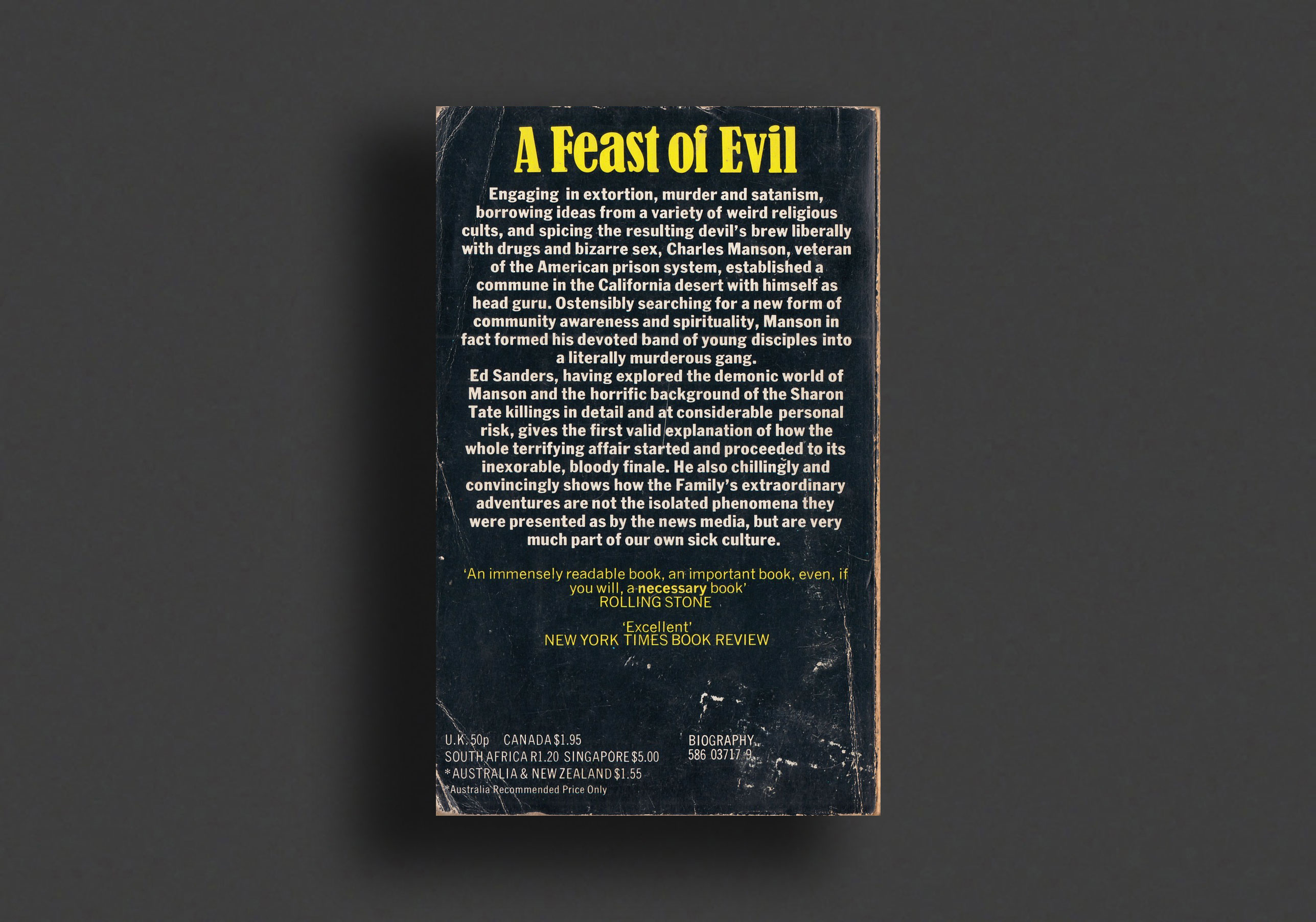
First Panther edition of Ed Sanders' unnerving true-crime genre classic, The Family, published in 1973. "The first complete, authoritative account of the career of Charles Manson. A terrifying book."—New York Times Book Review
"A Feast of Evil! Engaging in extortion, murder and satanism, borrowing ideas from a variety of weird religious cults, and spicing the resulting devil's brew liberally with drugs and bizarre sex, Charles Manson, veteran of the American prison system, established a commune in the California desert with himself as head guru. Ostensibly searching for a new form of community awareness and spirituality, Manson in fact formed his devoted band of young disciples into a literally murderous gang.
Ed Sanders, having explored the demonic world of Manson and the horrific background of the Sharon Tate killings in detail and at considerable personal risk, gives the first valid explanation of how the whole terrifying affair started and proceeded to its inexorable, bloody finale. He also chillingly and convincingly shows how the Family's extraordinary adventures are not the isolated phenomena they were presented as by the news media, but are very much part of our own sick culture."
Edward Sanders (b. 939) is an American poet, singer, activist, author, publisher and longtime member of the rock band the Fugs.
Good—Very Good copy with wear to and light creasing to covers, toned pages.