World Food Books' programme is largely produced on Kulin Nation land. We acknowledge the Wurundjeri people of the Kulin Nation as the first and continuing custodians of this land, and pay respect to their Elders past, present, and emerging.
World Food Books is an arts and special interests bookshop in Naarm / Melbourne. Founded in 2010, World Food Books is devoted to the presentation of a rotating, hand-selection of international art, design, literary and counterculture publications with an emphasis on the anti-traditional, the experimental, the avant-garde, the heretic, the marginal.
Presenting new titles alongside rare and out-of-print books, catalogues and journals spanning the fields of modern and contemporary art, design, photography, illustration, film, literature, poetry, cultural theory, philosophy, sexuality, popular and underground culture in its many radical forms, World Food Books wishes to encourage adventurous, thoughtful and open-minded reading, looking, writing, and exchange of publishing and ideas, both current and historical.
As well as our bookshop, located in Melbourne's historical Nicholas Building, all of our inventory is available internationally via our online mail-order service.
World Food Books semi-regularly co-ordinates "Occasions", a programme of exhibits and events at the bookshop and in partnership with other hosts (such as museums and art galleries) that develop out of the activities, relationships and content of the bookshop itself.
World Food Books
The Nicholas Building
37 Swanston Street
Room 5, Level 6
Melbourne 3000
Australia
SHOP HOURS:
THU–SAT 12–6
WEB-SHOP OPEN 24/7
World Food Books
Postal Address:
PO Box 435
Flinders Lane
Victoria 8009
Australia
info@worldfoodbooks.com
Art
Theory / Essay
Architecture / Interior
Graphic Design / Typography
Photography
Fashion
Eros
LGBTQ+
Fiction / Poetry
Weird / Speculative / Science Fiction / Horror
Transgressive / Visceral / Abject
Symbolism / Decadence / Fin de siècle
Film / Video
Painting
Sculpture / Installation
Performance / Dance / Theater
Drawing
Sound / Music
Curatorial
Group Shows / Collections
Periodicals
Out-of-print / Rare
Posters / Ephemera / Discs
Signed Books
World Food Books Gift Voucher
World Food Book Bag
Australian Art
Australian Fiction
Australian Science Fiction / Speculative Fiction
Australian Poetry
Australian Photography
Japanese Photography
Conceptual Art
Minimal Art
Dada
'Pataphysics / Oulipo
Fluxus
Concrete Poetry
Pop Art
Surrealism
Arte Povera
Arte Informale / Haute Pâte / Tachism
Nouveau Réalisme / Zero / Kinetic
Situationism / Lettrism
Collage / Mail Art / Xerox Art
Art Brut / Folk / Visionary / Fantastic
Illustration / Graphic Art / Bandes Dessinées
Furniture
Italian Radical Design / Postmodernism
Textiles
Ceramics / Glass
Counterculture
Protest / Revolt
Philosophy
Psychoanalysis
Anthropology
Anarchism
Socialism / Anarchism / Communism / Capitalism
Literary Theory / Semiotics / Language
Feminism / Women's Studies
Gender Studies / Sexuality
Anthropology
Fetishism / BDSM
Drugs / Psychedelia
Crime / Violence
Animal Rights / Veganism
Occult / Esoterica
Ecology / Earth / Alternative Living
Whole Earth / Crafts
All prices in AUD (Australian dollars)
Pick-Ups
Pick-up orders can be collected in our bookshop during opening hours after order date. Please collect any Pick-up orders within 2 weeks of ordering as we have limited storage space. Orders will be released back into stock if not collected within this time. No refunds can be made for pick-ups left un-collected. If you cannot make it in to the bookshop in this time-frame, please choose postage option.
Return Policy
All sales are final. We do accept returns (for refund or exchange) for items received in error. All our orders are packed with special care using heavy-duty padding and cardboard book-mailers or bubble mailers (for smaller books), using reinforcement where required. We cannot take responsibility for any lost, stolen or damaged parcels.
Insurance
Should you wish to insure your package, please email us directly after placing your order and we can organise this at a small extra expense. Although all standard/express tracked packages are very safe and dependable, we cannot take responsibility for any lost, stolen or damaged parcels. We recommend insurance on valuable orders.
Interested in selling your old books, catalogues, journals, magazines, comics, fanzines, ephemera? We are always looking for interesting, unusual and out-of-print books to buy. We only buy books in our fields of interest and specialty, and that we feel we can resell.
We base these prices on desirability, market value, in-print prices, condition and our current stock levels. We offer cash, store credit, and can take stock on consignment. All
about 25% of the price we expect to get when we sell them, or 30% in store credit. We base these prices on desirability, market value, in-print prices, condition and our current stock levels.
Sell your books any day of the week. You can drop them off and return later. If you have a lot of books, we can visit your Sydney home.
We buy books that we feel we can resell. We offer about 25 % of the price we expect to get when we sell them, or 30% in store credit. We base these prices on desirability, market value, in-print prices, condition and our current stock levels.
Philadelphia Wireman
03 August - 01 September, 2018
World Food Books is proud to announce our next Occasion, the first presentation of sculptures by Philadelphia Wireman in Australia.
The Philadelphia Wireman sculptures were found abandoned in an alley off Philadelphia’s South Street on trash night in 1982. Their discovery in a rapidly-changing neighbourhood undergoing extensive renovation, compounded with the failure of all attempts to locate the artist, suggests that the works may have been discarded after the maker’s death. Dubbed the "Philadelphia Wireman" during the first exhibition of this work, in 1985, the maker’s name, age, ethnicity, and even gender remain uncertain. The entire collection totals approximately 1200 pieces, all intricately bound together with tightly-wound heavy-gauge wire (along with a few small, abstract marker drawings, reminiscent both of Mark Tobey and J.B. Murry). The dense construction of the work, despite a modest range of scale and materials, is singularly obsessive and disciplined in design: a wire armature or exoskeleton firmly binds a bricolage of found objects including plastic, glass, food packaging, umbrella parts, tape, rubber, batteries, pens, leather, reflectors, nuts and bolts, nails, foil, coins, toys, watches, eyeglasses, tools, and jewellery.
Heavy with associations—anthropomorphic, zoomorphic, and socio-cultural responses to wrapped detritus—the totemic sculptures by Philadelphia Wireman have been discussed in the context of work created to fulfil the shamanistic needs of alternative religions in American culture. Curators, collectors, and critics have variously compared certain pieces to sculpture from Classical antiquity, Native American medicine bundles, African-American memory jugs, and African fetish objects. Reflecting the artist’s prolific and incredibly focused scavenging impulse, and despite—or perhaps enhanced by—their anonymity, these enigmatic objects function as urban artefacts and arbiters of power, though their origin and purpose is unknown. Philadelphia Wireman, whatever their identity, possessed an astonishing ability to isolate and communicate the concepts of power and energy through the selection and transformation of ordinary materials. Over the course of the past two decades, this collection has come to be regarded as an important discovery in the field of self-taught art and vernacular art.
Presented in collaboration with Fleisher-Ollman Gallery, Philadelphia, and Robert Heald, Wellington.
Susan Te Kahurangi King
02 February - 10 March, 2018
Susan Te Kahurangi King (24 February 1951 - ) has been a confident and prolific artist since she was a young child, drawing with readily available materials - pencils, ballpoint pens and felt-tip markers, on whatever paper is at hand. Between the ages of four and six Susan slowly ceased verbal communication. Her grandparents William and Myrtle Murphy had developed a special bond with Susan so they took on caring responsibilities for extended periods. Myrtle began informally archiving her work, carefully collecting and storing the drawings and compiling scrapbooks. No drawing was insignificant; every scrap of paper was kept. The King family are now the custodians of a vast collection containing over 7000 individual works, from tiny scraps of paper through to 5 meter long rolls.
The scrapbooks and diaries reveal Myrtle to be a woman of great patience and compassion, seeking to understand a child who was not always behaving as expected. She encouraged Susan to be observant, to explore her environment and absorb all the sights and sounds. Myrtle would show Susan’s drawings to friends and people in her community that she had dealings with, such as shopkeepers and postal workers, but this was not simply a case of a grandmother’s bias. She recognised that Susan had developed a sophisticated and unique visual language and sincerely believed that her art deserved serious attention.
This was an unorthodox attitude for the time. To provide some context, Jean Dubuffet coined the term Art Brut in 1945 to describe work created by self-taught artists – specifically residents of psychiatric institutions and those he considered to be visionaries or eccentrics. In 1972 Roger Cardinal extended this concept by adopting the term Outsider Art to describe work made by non-academically trained artists operating outside of mainstream art networks through choice or circumstance. Susan was born in Te Aroha, New Zealand in 1951, far from the artistic hubs of Paris and London that Dubuffet and Cardinal operated in. That Myrtle fêted Susan as a self-taught artist who deserved to be taken seriously shows how progressive her attitudes were.
Susan’s parents Doug and Dawn were also progressive. Over the years they had consulted numerous health practitioners about Susan’s condition, as the medical establishment could not provide an explanation as to why she had lapsed into silence. Dawn educated herself in the field of homeopathy and went on to treat all twelve of her children using these principles – basing prescriptions on her observations of their physical, mental and emotional state.
Doug was a linguist with an interest in philosophy who devoted what little spare time he had to studying Maori language and culture. To some extent their willingness to explore the fringes of the mainstream made them outsiders too but it was their commitment to living with integrity and their respect for individuality that ensured Susan’s creativity was always encouraged.
Even though Susan’s family supported her artistic pursuits, some staff in schools and hospitals saw it as an impediment to her assimilation into the community and discouraged it in a variety of ways. Her family was not always aware of this and therefore did not fully understand why Susan stopped drawing in the early 1990s. However, rather than dwell on the challenges that Susan faced in pursuit of her artistic practice, they prefer to highlight her achievements. In 2008 Susan began drawing again in earnest, after an almost 20 year interruption, and her work is now shown in galleries around the world.
Susan grew up without television and has been heavily influenced by the comics she read as a child. She is absolutely fearless in the appropriation of recognizable characters, such as Donald Duck and Mickey Mouse, in her work. She twists their limbs, contorts their faces, compresses them together, blends them into complex patterned backgrounds - always imbuing them with an incredible energy. Although Susan often used pop culture characters in her work they are not naive or childlike. These are drawings by a brilliant self-taught artist who has been creating exceptional work for decades without an audience in mind.
Mladen Stilinović
"Various Works 1986 - 1999"
02 February 16 - September 10, 2016
Various works 1986 - 1999, from two houses, from the collections of John Nixon, Sue Cramer, Kerrie Poliness, Peter Haffenden and Phoebe Haffenden.
Including: Geometry of Cakes (various shelves), 1993; Poor People’s Law (black and white plate), 1993; White Absence (glasses, ruler, set square, silver spoon, silver ladel with skin photograph and wooden cubes), 1990-1996; Exploitation of the Dead (grey and red star painting, wooden painting, black spoon with red table, red plate), 1984-1990; Money and Zeros (zero tie, paintings made for friends in Australia (Sue, John, Kerrie), numbers painting), 1991-1992; Words - Slogans (various t-shirts) - “they talk about the death of art...help! someone is trying to kill me”, “my sweet little lamb”, “work is a disease - Karl Marx”; Various artist books, catalogues, monographs, videos; Poster from exhibition Insulting Anarchy; "Circular" Croatian - Australian edition; Artist book by Vlado Martek (Dostoyevsky); more.
Thanks to Mladen Stilinović and Branka Stipančić.
Jonathan Walker
Always Will Need To Wear Winter Shirt Blue + Ochre Small Check Pattern
21 August - 21 September, 2015
Untitled
I am not a great reader of poetry but I always return to the work of Melbourne poet, Vincent Buckley (1925- 1988). Perhaps I find his most tantalising piece to be not a finished poem but a fragment left on a scrap of paper discovered on his desk after the poet’s death.
The poetry gathers like oil
In the word-core, and spreads
It has its music meet,
Its music is in movement.
This fragment is more the shell left behind from a volatile thought than a finished poem. I find the last two lines honest but awkward whereas the first two lines work like an arrow. Most likely he could not find a resolution so it was left. Still, in its present form, it remains an eloquent testimony to the ultimate failure of a medium to express mobile thought and sensation, in Buckley’s case, through verbal language. It’s an important matter because this is something all artists have to deal with regardless of the medium.
I have never written a poem, however, I am forever copying fragments from books on paper scraps in a vain effort to fix certain notions in my head. At first, they function as bookmarks that are sometimes returned to when I open the book. But before long, as they accumulate, they fall out littering the table interspersed with A4 photocopies, bills, books and medications.
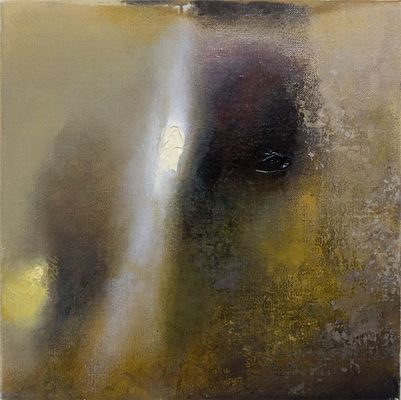
To return to Buckley’s fragment, the first two lines very much evoke how I paint nowadays. As you age, detail diminishes and patches of light become more luminous and float. I feel the most honest way of dealing with this is by smearing the oil paint on the canvas with the fingers and working close-up, blind. Only if the patches coalesce into an approaching image can the work gain a life.
-
Jonathan Walker was born in Melbourne, Australia and brought up on a dairy farm in Gippsland. In the 1970’s he studied painting at RMIT and won the Harold Wright Scholarship to the British Museum, London. During the 1980’s he exhibited at Pinacotheca Gallery, Richmond and had work shown at the NGV and Heidi City Art Gallery. Over the same period he designed the cover for the “Epigenesi” LP by Giancarlo Toniutti, Italy and conducted a mail exchange work with Achim Wollscheid, Germany. The work with artists through the post resulted in an article published in the bicentenary issue of Art and Australia 1988. He showed in artist run spaces such as WestSpace in the 90’s and 2000’s, and until 2012, taught painting at Victoria University, which is where we (Colleen Ahern and Lisa Radford) as organisers of the exhibition, among many others, had the privilege of being his student.
Walker’s knowledge was imparted to students through the careful selection of music, literature, and artists found in books that he himself had ordered for the library. Walker’s strategy was the generosity of sharing his vast knowledge with references specific to each student and their context.
Walker’s paintings share a similar focus and intimacy.
This exhibition presents a small selection of recent paintings alongside a publication that includes Walker’s writing. Observational and analytical, Walker’s work is a type of material notation — the time of day, colour and how it is blended, the both specific and fleeting location of a reflection on lino or the question of whether a chair leg should be included in a painting.
Please join us on Friday August 21 between 6-8pm to celebrate the opening of the exhibition.
Curated by Colleen Ahern and Lisa Radford.
B. Wurtz
Curated by Nic Tammens
March 26 - April 4, 2015
B.Wurtz works from a basement studio in his home on Manhattan’s Lower East Side.
This local fact is attested to by the plastic shopping bags and newsprint circulars that appear in his work. As formal objects, they don’t make loud claims about their origins but nonetheless transmit street addresses and places of business from the bottom of this long thin island. Like plenty of artists, Wurtz is affected by what is local and what is consumed. His work is underpinned by this ethic. It often speaks from a neighborhood or reads like the contents of a hamper:
“BLACK PLUMS $1.29 lb.”
“Food Bazaar”
“USDA Whole Pork Shoulder Picnic 99c lb.”
“RITE AID Pharmacy, with us it’s personal.”
“H. Brickman & Sons.”
“Sweet Yams 59c lb."
Most of the work in this exhibition was made while the artist was in residence at Dieu Donne, a workshop dedicated to paper craft in Midtown. Here Wurtz fabricated assemblages with paper and objects that are relatively lightweight, with the intention that they would be easily transportable to Australia. This consideration isn’t absolute in Wurtz’s work, but was prescriptive for making the current exhibition light and cheap. Packed in two boxes, these works were sent from a USPS post office on the Lower East Side and delivered to North Melbourne by Australia Post.
Wurtz appears courtesy of Metro Pictures, New York.
Thanks to Rob Halverson, Joshua Petherick, Sari de Mallory, Matt Hinkley, Helen Johnson, Fayen d'Evie, Ask Kilmartin, Lisa Radon, Ellena Savage, Yale Union, and "Elizabeth".
John Nixon
"Archive"
December 15 - January 20, 2014
The presentation of John Nixon's archive offered a rare showcase of this extensive collection of the artist's own publications, catalogues, posters, ephemera, editions and more, from the mid 1980s onwards, alongside a selection of his artworks.
Organized by John Nixon, Joshua Petherick and Matt Hinkley.
"Habitat"
at Minerva, Sydney (organised by Joshua Petherick and Matt Hinkley)
November 15 - December 20, 2014
Lupo Borgonovo, Janet Burchill & Jennifer McCamley,
Lewis Fidock, HR Giger, Piero Gilardi, Veit Laurent Kurz,
Cinzia Ruggeri, Michael E. Smith, Lucie Stahl, Daniel Weil, Wols
Press Release:
“...It contained seven objects. The slender fluted bone, surely formed for flight, surely from the wing of some large bird. Three archaic circuitboards, faced with mazes of gold. A smooth white sphere of baked clay. An age-blackened fragment of lace. A fingerlength segment of what she assumed was bone from a human wrist, grayish white, inset smoothly with the silicon shaft of a small instrument that must once have ridden flush with the surface of the skin - but the thing’s face was seared and blackened.”
William Gibson, “Count Zero”, 1986
"Autumn Projects Archive"
Curated by Liza Vasiliou
March 6 - March 15, 2014
World Food Books, in conjunction with the Virgin Australia Melbourne Fashion Festival 2014, presented the Autumn Projects archive, consisting of a selection of early examples in Australian fashion with a particular interest in collecting designers and labels from the period beginning in the 1980’s, who significantly influenced the discourse of Australian Fashion.
Curated by Liza Vasiliou, the exhibition provided a unique opportunity to view pieces by designers Anthea Crawford, Barbara Vandenberg, Geoff Liddell and labels CR Australia, Covers, Jag along with early experimental collage pieces by Prue Acton and Sally Browne’s ‘Fragments’ collection, suspended throughout the functioning World Food Books shop in Melbourne.
H.B. Peace
presented by CENTRE FOR STYLE
November 14, 2013
"Hey Blinky, you say chic, I say same"
Anon 2013
H.B. Peace is a clothing collaboration between great friends Blake Barns and Hugh Egan Westland. Their pieces explore the divergences between 'character’ and ‘personality’ in garments....etc
Special Thanks to Joshua Petherick and Matt Hinkley of WFB and Gillian Mears
and a Very Special Thank you to Audrey Thomas Hayes for her shoe collaboration.
Janet Burchill & Jennifer McCamley
"Aesthetic Suicide"
May 10 - June 8, 2013
The first of our occasional exhibitions in the World Food Books office/shop space in Melbourne, "Aesthetic Suicide" presented a body of new and older works together by artists Janet Burchill & Jennifer McCamley, including videos, prints, a wall work, and publications.
During shop open hours videos played every hour, on the hour.
2015, English / Korean
Softcover, 204 pages, 23 x 30 cm
Published by
GRAPHIC / Korea
$52.00 - Out of stock
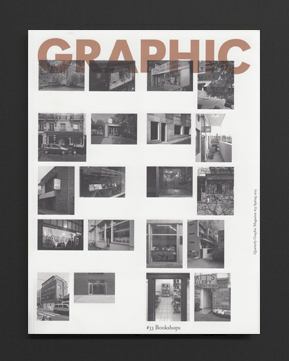
#33 BOOKSHOPS
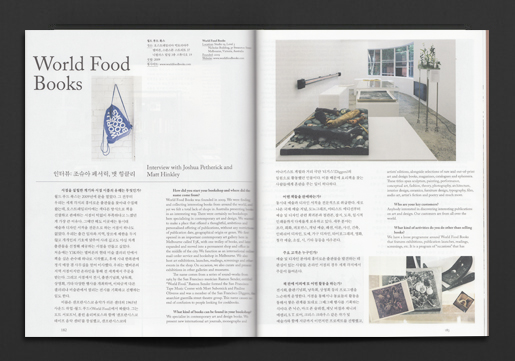
Issue #33 of GRAPHIC features interviews with twenty art bookshops around the world including Printed Matter (New York), Pro qm (Berlin), Section 7 Books (Paris) and so on. Distributing books from independent publishers and often producing books under their own label, these bookshops have been creating a scene for small-press art publications.
EDITORIAL
This issue is conceived and compiled as a direct response to Issue #30 "Publishers" of GRAPHIC, published last summer. What comes in your mind first when you think of a topic related to small publishers who make the most creative books of this day? Yes, it is the independent bookshops who try to give readers access to the books from these publishers, that is, independent and/or art books, which are not and cannot be found in mainstream bookstores.
The bookshops featured in this issue are based in various cities including New York, Tokyo, Melbourne, Oslo, Berlin, Auckland, London, Athens, Utrecht, Paris, Rotterdam, Los Angeles, Madrid, Tallinn, Nagoya and Seoul. With cultural characteristics of each city, they have formed their identities and have been a place for all sorts of activities from meetings to collaborations besides selling books. In other words, they have been a hub of independent publications.
Most of the bookshops covered here are not yet 10 years old. The growth of independent publishing around the world and the ever-more frequent cross-border trade of books have contributed to the emergence of these "young" bookshops. For example, it now takes only two weeks for a limited-edition photo book published in Amsterdam to arrive on the shelf of an independent bookshop in Seoul. This means that small-run noncommercial art books actually became able to reach its global readers. This issue introduces the various activities and experiences of these "young" bookshops. As a special exception, it includes the interview with Max Schumann of Printed Matter which was founded in New York City in 1976 to looks back its history for the last forty years, as it has unarguably been a significant model for art bookshops.
The reason why this kind of bookshops are important for independent publishing is because a scene or community can be and has been created around them. More and more small independent bookshops are popping up throughout the world. We want this issue to serve as a useful reference for them to make their own activities and hopefully provide some help in forming a fellowship or network among them. See you at a bookshop!
CONTRIBUTORS
Casco Bookshop, Dashwood, Desert Island, Ivorypress Bookshop, John Simons (Idea Books), Librairie Yvon Lambert, Lugemik Bookshop, OMMU, ON READING, Ooga Booga, Perimeter Books, POST, Printed Matter, PrintRoom, Pro qm, Section 7 Books, split/fountain, The Book Society, Torpedo Bookshop, World Food Books, X Marks the Bokship
GRAPHIC is a graphic magazine published in Seoul, Korea. GRAPHIC, which was first published in January 2007, focuses its attention on the other trends of graphic design which is different from the mainstream of it and on the phenomena thereof. It has a characteristic of in-depth approach for one theme with the editorial policy of one issue-one theme.
GRAPHIC is an independent magazine which does not depend upon sponsors or any governmental organizations for financial help but rather aims at more creative and independent journalism by emancipating its own editorship from them.
GRAPHIC has been written and edited in Korean language from the first issue to 8th but from 9th issue, it is being issued in both Korean and English. GRAPHIC is currently being circulated in Korea and Europe, and it's expected to extend its area of circulation toward America, Asia and so on.
1986, English / Japanese
Softcover, 152 pages, 22 x 29.5 cm
1st Edition, Out of print title / used*,
Published by
Kajima Institute Publishing / Tokyo
$60.00 - Out of stock
SD (Space Design): A monthly journal on Art and Architecture.
“SD” (Space Design) was founded in Japan in 1965; a comprehensive monthly magazine on architecture, urban problems and fine arts which was unique in the world and quickly became a leading, highly-esteemed journal of international modern design.
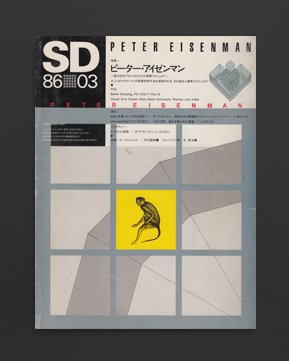
SD no.258, March 1986
SPECIAL FEATURE: PETER EISENMAN
SD is one of the finest journals dedicated to new design (architecture, furniture, interior, environmental, industrial...), becoming a collector's item and much sought-after archival resource.
1981, English / Japanese
Softcover, 175 pages, 22. 8 x 30 cm
1st Edition, Out of print title / Used*,
Published by
A.D.A Edita / Tokyo
$60.00 - Out of stock
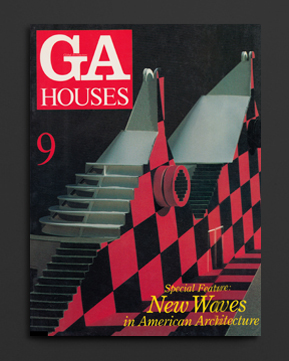
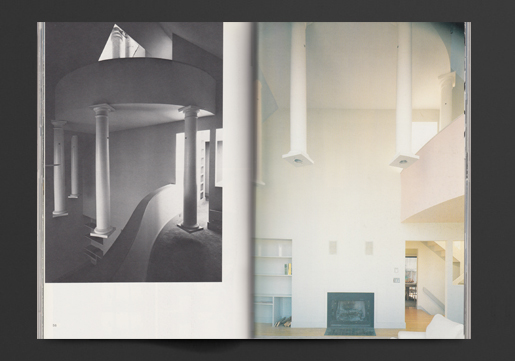
Ninth issue from 1982 of this now classic architectural series, the great GA Houses from Tokyo, Japan.
One of the finest architecture journal series ever published, GA Houses extends from the famous GA (Global Architecture) journal series, presented by the highly esteemed publishing house that also published the GA, GA Document, and GI (Global Interior) architectural publications.
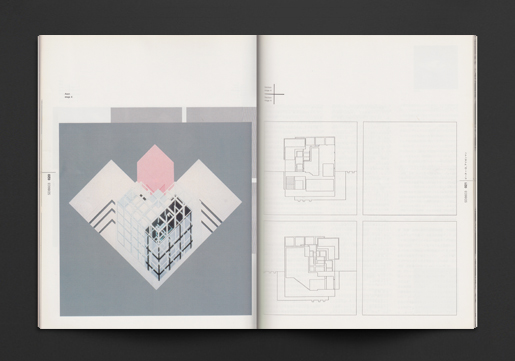
Each issue of GA Houses highlights a selection of residential architectural projects by renowned international architects.
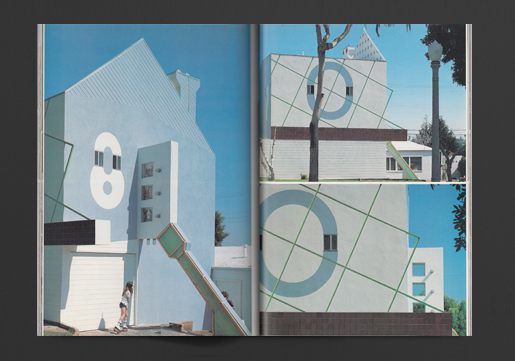
Beautiful architectural photography of residential building interiors, exteriors and architectural details, along with texts (mostly in Japanese) and floor-plans/elevation drawings make up the profiles on each featured building or residential environment. The visual generosity of these handsomely designed and printed journals make them a treasure for any architecture or interior design enthusiast or collector.
GA Houses No.9, 1981
Special Feature: New Waves in American Architecture
Contents include:
Trip to Epoch-Making
ELIEL SAARINE RESIDENCE
by Peter C. Papademetriou
Meet the Architect:
BOHLIN POWELL LARKIN CYWINSKI - Summer Residence for Mr. and Mrs. Eric Q. Bohlin, West Cornwall, Connecticut; Summer/Weekend Residence, Northeastern Pennsylvania; Residence for Norman Gaffney, Coatesville, Pennsylvania; MacHarg Residence, Northwestern Pennsylvania; Caretaker’s Complex Shelly Ridge Girl Scout Center, Springfield Townsip, Pennsylvania; Residence for Mr. and Mrs. Charles Feldman, Jackson Township, Pennsylvania; Residence for Albert and Barbara Albert, Waverly, Pennsylvania.
MICHELL/GIURGOLA - Kasperson Residence, Conestoga, Pennsylvania
EDWARD LARRABEE BARNES - Vacation House, Mount Desert Island, Maine
JOEL LEVINSON - Arbor House, Philadelphia, Pennsylvania
JOAN SACKS - Rocca House, Los Angeles, California
MICHAEL FRANKLIN ROSS - John and Jean Ross Residence, Old Westbury, New York
RICARDO BOFILL TALLER DE ARQUITECTURA - House in Montras near Costa Brava, Spain
Special Feature:
New Wave in American Architecture: 2
EUGENE KUPPER - Nilsson House, Los Angeles, California; Wall House in Berkeley, California
ERIC OWEN MOSS - 708 House, Los Angeles, California Fun House Calabassas, California Easter Island Condominium Pasadena, California Pin Ball House Los Angeles, California; Adams House, Los Angeles, California
FREDERICK FISHER - Caplin Residence, Venice, California; Jan Horn Residence, Beverly Glen, California; Jorgensen Residence, Hollywood, California
PETER C. PAPADEMETRIOU/bv - Davis Residence, Houston, Texas
PETER DE BRETTEVILLE - Villa Cambiamento, Malibu, California Padiglione di Riposa; Willow Glen House, Los Angeles, California; Sunset House, Los Angeles, California
Studio WORKS - Gagosian Gallery, Venis, California
TAFT ARCHITECTS - Grove Court Townhouses, Houston, Texas; A House in the City (Estes House), Houston, Texas
MORPHOSIS - Flores Residence Addition, Pacific Palisades, California; 2-4-6-8 House, Venice, California; Sedlak Addition, Venice, California; Mexico Ⅱ House, Ensenada, Baja, Mexico; Cohen Residence, Woodland Hills, California; Lawrence Residence, Hermosa Beach, California
1987, Japanese / English
Softcover, 176 pages, 22. 8 x 30 cm
1st Edition, Out of print title / Used*,
Published by
A.D.A Edita / Tokyo
$60.00 - Out of stock
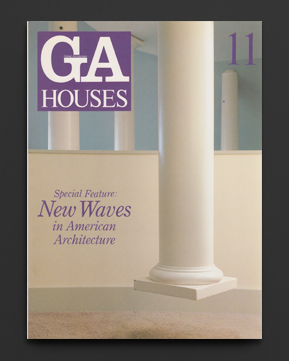
Eleventh issue from 1987 of this now classic architectural series, the great GA Houses from Tokyo, Japan.
One of the finest architecture journal series ever published, GA Houses extends from the famous GA (Global Architecture) journal series, presented by the highly esteemed publishing house that also published the GA, GA Document, and GI (Global Interior) architectural publications.
Each issue of GA Houses highlights a selection of residential architectural projects by renowned international architects.
Beautiful architectural photography of residential building interiors, exteriors and architectural details, along with texts (mostly in Japanese) and floor-plans/elevation drawings make up the profiles on each featured building or residential environment. The visual generosity of these handsomely designed and printed journals make them a treasure for any architecture or interior design enthusiast or collector.
GA Houses No.11, 1987
Special Feature: New Waves in American Architecture
Contents include:
Elements on Residence 8
POINTS OF ADDRESS by Donlyn Lyndon
Trip to Epoch-Making 7
GEORGE HOWE “FORTUNE ROCK”
Text by Joseph B. Thomas
FRANK O. GEHRY - Indiana Project, Venice, California; Spiller Residence, South of Los Angeles, California
GWATHMEY SIEGEL - Houston Residence, Houston, Texas
ROBERT A.M. STERN - Points of View, Mount Desert Island, Maine
ROBERT MITTELSTADT - R. Mittelstadt Duplex, San Francisco, California
DANIEL SOLOMON - Bellair Duplex, San Francisco, California; Glover Street Condominiums, San Francisco, California; Castro Common --- San Francisco, California; Francisco Reservoir --- San Francisco, California
WILLIAM KESSLER - Private Residence, Southeast Michigan
GRAHAM GUND - Shapleigh House, Masachusetts Coast; School-House Condominiums, Boston, Massachusetts.
BAKER ROTHSCHILD HORN BLYTH - Fitzwater Factory Court, Philadelphia, Pennsylvania; Candy Factory Court, Baker Residence, Philadelphia, Pennsylvania; Winig Residence, Philadelphia, Pennsylvania
Special Feature: New Waves in American Architecture 4;
RALPH LERNER - Prokop House Addition, Port Washington, New York; Villa Vasone, Sa~o Paulo, Brazil; Barn Renovation, Palmyra, Virginia; Artist and Writers Housing, Rye, England
RUBIN and SMITH-MILLER - Residence with Outbuildings, Southern Connecticut; Apartment, Fifth Avenue, New York City; Fifth Avenue Apartment, Fifth Avenue at Central Park, New York City
SUSANA TORRE - Back House (Two Silo House), Poundridge, New York; Clark House, Southampton, Long Island
ROBERT FOOTH SHANNON - “Cabin” for the Architect; Row-House Renovation, 49 Garden Street, Boston, Massachusetts; Solar Renaissance Homes; Wooten House, Windham, Vermont
MARK McINTURFF - McInturff House #1, Bethesda, Maryland; Mcinturff House #2, Bethesda, Maryland
TOD WILLIAMS - House in Montclair; Michigan Project; Williams' Barns in Sagaponack, New York; House on Long Island Sound
2015, English
Harcover, 320 pages, 19 cm x 28.2 cm
Published by
PowerHouse / New York
$95.00 - Out of stock
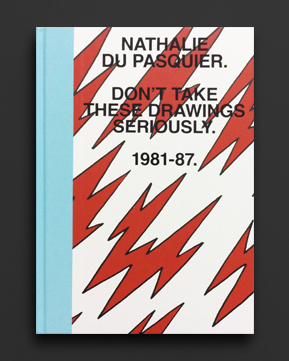
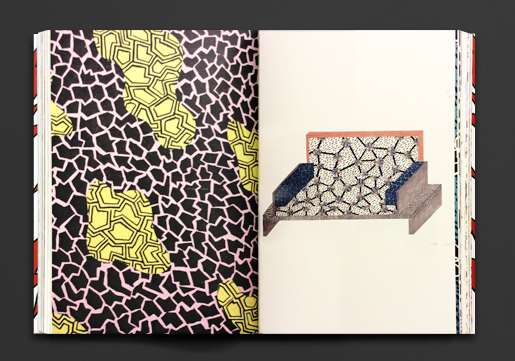
Nathalie Du Pasquier started drawing as soon as she met her husband George Sowden in 1979 in Milan. She was introduced to the world of design and shortly after, in 1981, became a founding member of the iconic postmodern design movement Memphis. From 1981 to 1987 she didn’t stop drawing. Every day she would draw a whole new modern world, from very small items like jewelry to entire cities. This world only existed in her head but would eventually be developed into real pieces for the Memphis exhibitions.
This unique book is the first and definitive compilation of all the unpublished drawings from those years, which had been sitting in the drawers of Nathalie’s studio for over 30 years. Organized by the smallest objects to the biggest and divided into chapters, each with a text by Nathalie, it has been carefully edited and designed by Apartamento magazine’s co-founder Omar Sosa together with Nathalie Du Pasquier.
Don’t Take These Drawings Seriously is an excellent reference for future generations and a welcome document of an important period in modern design.
2014, English
Softcover, 248 pages, 21 x 26 cm
Published by
Corraini / Italy
$80.00 - Out of stock
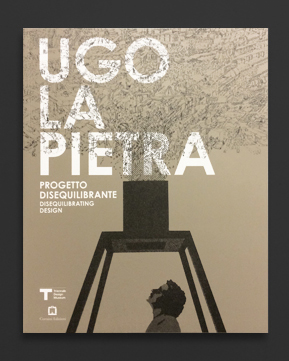
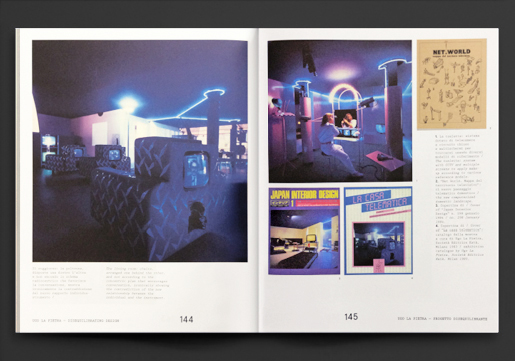
This book is the first major monograph on unorthodox Italian designer Ugo La Pietra. A humanist and eclectic designer, an architect by training, artist, filmmaker (and actor), editor, musician, cartoonist and teacher, La Pietra successfully identified new relationships between design and crafts, the culture of 'making' and design.
Born in 1938, in Bussi sul Tirino, Italy, Ugo La Pietra lives and works in Milan. The 1960s and 1970s were a period of intense experimental activity for him during which he made significant contributions to radical design. His work attempts to clarify the relationship of “individual-environment.” Within the framework of this process he develops knowledge tools (“models for understanding”) that seek to transform the traditional “work-viewer” relationship. In the 1960s he explored the theme of the synesthésie des arts and during this period proposed urban interventions designed in rapport with the artworks of various artists (Fontana, Azuma…).
In 1967, he began his research on the theory of the “Unbalancing System” (“Sistema desequilibrante”) (1967-1972), which involves an attempt to intervene on physical space and territory, through symbolic actions, utilizing the image as a revelatory tool. In 1971, he designed urban audiovisual tools for “Trigon 1971” in Graz, Austria. He directed the film “La Grande Occasione” in 1972. He was a founding member of the “Global Tools” group (1973), an alternative school of architecture and design… In 1974, he organized the first exhibition of radical design, “Gli abiti dell’imperatore”, in Milan, Belgrade and Graz. A year later he won first prize at the Nancy Architectural Film Festival. U. La Pietra has organized many exhibitions: for the International Center of Brera in Milan (1975-1979), the Milan Triennale (since 1968), the Venice Biennale, and the “Abitare il tempo” events in Verona (1986-1997)…
His work was featured in the landmark exhibition “Italy: The new domestic landscape,” MOMA, 1972, and in the Venice Biennale, 1970 and 1978, and Milan Triennale, 1972, amongst countless others.
2015, English
Softcover, 520 pages (b/w ill.), 20.5 x 25.5 cm
Published by
Mousse Publishing / Milan
$83.00 $20.00 - Out of stock
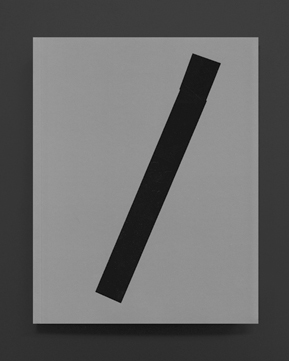
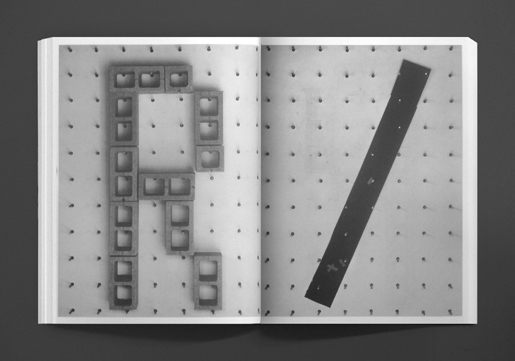
Symbols abound in Shannon Ebner’s work. She uses them as if they were words in a poem, emphasizing their polysemy and multiplying the number of potential meanings and interpretations. Like musical scores, her alphabets make intervals and suspensions literal and thus visible. They include the “other” (silence, non-verbal signs, misspellings, handwriting) as a presence whose meaning must be negotiated. They capitalize what is usually repressed in written language (or simply taken for granted), in order to reinstate another structure of understanding. Language is an expression of order and Ebner makes this very clear by giving each letter the weight of concrete. STRIKE slows down the pace of reading to its zero degree. One letter, one page. One letter, one page. A slash. An exercise in reading akin to our first decodings of the written word, when we started, as children, learning how to do things “by the book.”
1987, English / Japanese
Hardcover (w. dust jacket), 120 pages, 23 x 31 cm
1st edition, Out of print title / used*,
Published by
Rikuyo-Sha / Tokyo
$68.00 - Out of stock
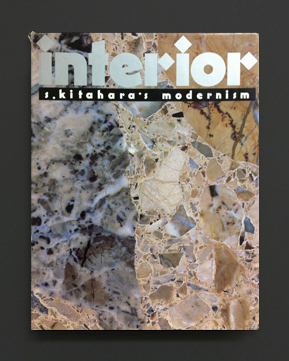
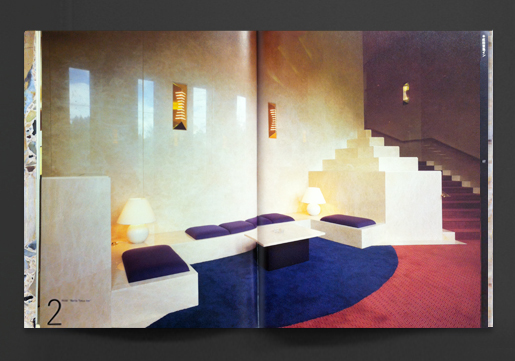
Lavishly illustrated, heavy monograph on the work of famous Japanese interior designer Susumu Kitahara.
Published by Rikuyo-Sha Publishing in 1988, this book documents in full-colour (and some black and white) photography of all the major interior architecture and design work of Kitahara in Japan from throughout the 1960s, 70s and 80s. His celebrated work as an interior designer centered around his work for Japanese commercial spaces, such as shop boutiques, department stores, hotels and restaurants.
This book includes texts from Susumu Kitahara, Shigeru Uchida and Minoru Takeyama and a foreword by Shiro Kuramata.
2015, English
Softcover, 275 pages (colour ill.), 23 x 30 cm
Published by
Kaleidoscope Press / Milan
$22.00 - Out of stock
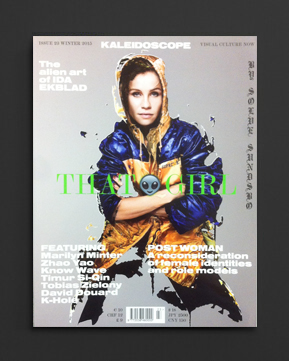
Kaleidoscope #23 (Winter 2015).
HIGHLIGHTS:
JASON MATTHEW LEE (by Alexander Shulan), DANIEL BAUMANN (by Aoife Rosenmeyer), Marilyn Minter (by Gianni Jetzer), MAGALI REUS (by Ruba Katrib), KNOW WAVE RADIO (by Alexandre Stipanovich), BEATRICE GIBSON (by George Vasey), CATHERINE AHEARN (by Tobias Czudej), K-HOLE (by Kevin McGarry), JAMIAN JULIANO-VILLANI (by Joshua Abelow), ALESSANDRO BAVA (by Francesco Garutti), ZHAO YAO (by Venus Lau), and IDEA BOOKS (by Xerxes Cook).
At a time when feminism resurges both in critical discourse and media headlines, while at the same time entering a list of words overdue to be banned, Kaleidoscope's MAIN THEME section is devoted to a reconsideration of female identities and role models. POST WOMAN is composed of a think tank, a think piece by Natasha Stagg and five interviews, including with Juliana Huxtable (by Andrew Durbin), Amalia Ulman (by Francesca Gavin), Judith Bernstein (by Hanne Mugaas), Massimiliano Gioni (by Pietro Rigolo), and Girls Like Us (by Felix Burrichter).
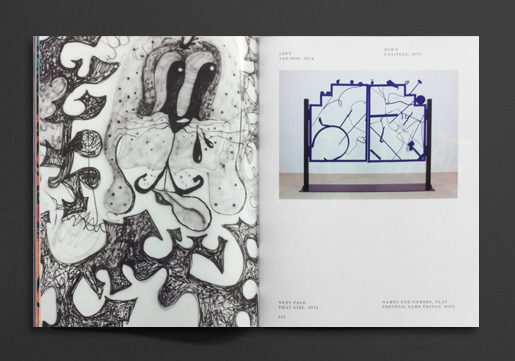
To follow, this issue’s MONO section and cover story are dedicated to Norwegian artist IDA EKBLAD. Fueled by an outright marvel for this thing called art, her work is distinguished by an extreme degree of impatience and prolificness. Her shift and turns are the result of a feverish engagement with pure materiality, synthesized with popular culture and animated by alien transformations. This definitive monographic survey comprises an essay by Peter J. Amdam, an interview by Cory Arcangel and an original portrait by Sølve Sundsbø.
Later on, the VISIONS section invites the eye to an enthralling journey across almost 100 pages of visual contributions by artists, curators and image-makers, including: TOBIAS ZIELONY, “Jenny Jenny”; MR.; “Chicago”: BARBARA CRANE and TONY LEWIS; DAVID DOUARD in Los Angeles; JONAS WOOD; “Alliantecnik,” curated by Alessio Ascari; TIMUR SI-QIN, “Premier Machinic Funerary”; and GRAHAM LITTLE.
Lastly, the closing section of REGULARS features our insightful columns on the past, present and future of art and culture: PRODUCERS features Carson Chan’s conversation with Ballistic Architecture Machine; in FUTURA 89+, Hans Ulrich Obrist and Simon Castets interview young artist Philipp Timischl; Andrey Bold questions TOKYO’s art scene as part of the PANORAMA series; in PIONEERS Fredi Fischli and Niels Olsen talk to cult Swiss designers Trix and Robert Haussmann; and in the first installment of RENAISSANCE MAN, Jeffrey Deitch celebrates the art of choreographer KAROLE ARMITAGE.
1985, English / Japanese
Softcover (in protective plastic sleeve), 383 pages, 30.6 x 23.4 cm
1st edition, Out of print title / used*,
Published by
Rikuyo-Sha / Tokyo
$110.00 - Out of stock
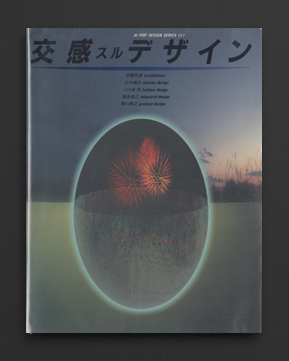
The first (and only) printing of the scarce "Hi-Pop Design Series Alpha-1: Five Sensors of an Age" published by the mighty Rikuyo-Sha Publishing house in Tokyo, 1985.
This beautifully designed, over-sized 383-page volume generously profiles five of Japan's leading design practitioners of the 1980's:
Architecture: Tadao Ando
Interior Design: Takashi Sugimoto
Fashion Design: Rei Kawakubo (Comme des Garçons)
Industrial Design: Toshiyuki Kita
Product Design: Masayuki Kurokawa
Each designer's section includes many photographs of their work of the 1980's, as well as texts, their views on the design philosophy of the time and interviews in Japanese and English, making enough content to create an independent book on each designer! Rei Kawakubo/Comme des Garçons section alone would make for a wonderful Comme publication in its own right.
Features an interview between fashion designer Rei Kawakubo and architect Tadao Ando entitled "Aesthetics of Monochrome".
Due to the size and weight of this volume, your order will possibly incur additional postage costs. We will contact you with the best shipping advice upon your order, or alternatively, please email us in advance. Thank you for understanding.
2015, English
Softcover, 152 pages, 16.5 x 23.5 cm
Published by
Dexter Sinister / New York
Sternberg Press / Berlin
The Serving Library / New York
$24.00 - Out of stock
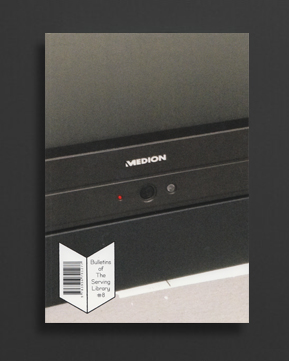
Bulletins of The Serving Library #8
Stuart Bailey, Angie Keefer, David Reinfurt (Eds.)
Contributions by Elie Ayache, Stuart Bailey, Michael Bracewell, Ben Davis, Eli Diner, Paul Elliman, Emily Gephart, Larissa Harris, Lucy Mulroney, Joe Scanlan, Ian Svenonius
This issue is smaller than large and larger than small: medium. Produced under the auspices of the exhibition “Transmitting Andy Warhol” at Tate Liverpool, it includes a history of the relations between drugs and groups by Ian Svenonius, an e-mail exchange between Paul Elliman and pioneer of voice synthesis Richard T. Gagnon, and a collage of voices that conjure Warhol’s aura by Michael Bracewell. With further contributions by Elie Apache, Stuart Bailey, Eli Diner, Emily Gephart, Lucy Mulroney, Larissa Harris, and Joe Scanlan.
2014, English
Softcover, 180 pages, 16.5 x 23.5 cm
Published by
Dexter Sinister / New York
Sternberg Press / Berlin
The Serving Library / New York
$26.00 - Out of stock
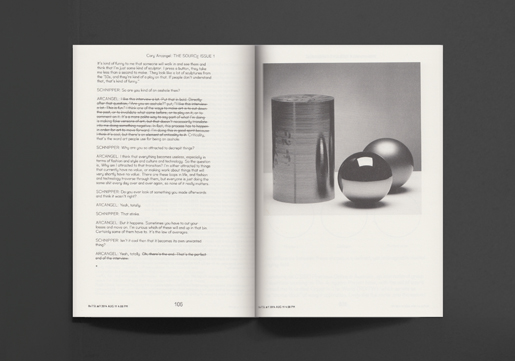
This issue concerns itself with “numbers,” ranging from a brief note on “The Psychology of Number” by John Dewey and John McLellan, to Vincenzo Latronico’s historical overview of the ongoing attempt to conjure “truths from thin air” (such as proof of the existence of god). In between are essays and articles by Cory Arcangel, Perrine Bailleux, Rosie Cooper, Dan Fox, Angie Keefer, Mathew Kneebone, James Langdon, Philip Ording, Katherine Pickard, David Reinfurt, and Justin Warsh, plus an indexical book review by the late David Foster Wallace.
Design by Dexter Sinister
2000, English / Japanese / Italian
Softcover, 46 pages, 21 x 29.5 cm
1st Edition, Out of print title / Used*,
Published by
Museum of Contemporary Art / Tokyo
$45.00 - Out of stock
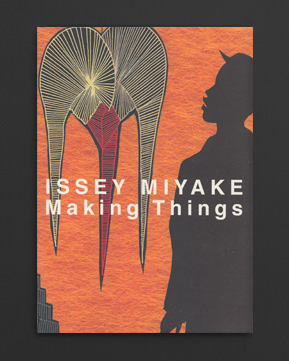
Japanese catalogue published on the occasion of the exhibition, ISSEY MIYAKE "Making Things", at Museum of Contemporary Art, Tokyo, April 29 - August 20, 2000.
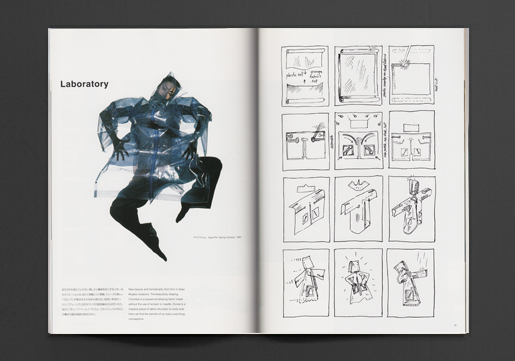
Catalogue is broken into the sections/subjects: "Origami Pleats", "Jumping", Pleats Please Issey Miyke Guest Artist Series", "Just Before", "A-POC", "Laboratory", "Starbust", all areas making up this major travelling exhibition on the creativity of ISSEY MIYAKE, one of Japan's most celebrated fashion designers.
Includes texts by architect Renzo Piano and artist Tadanori Yokoo, alongside installation shots of the exhibition, studio photography, and drawings by Miyake.
1992, Japanese / Italian
Softcover, 200 pages, 17.5 x 23.5 cm
1st edition, Out of print title / used*,
Published by
Vénte Museum / Tokyo
$60.00 - Out of stock
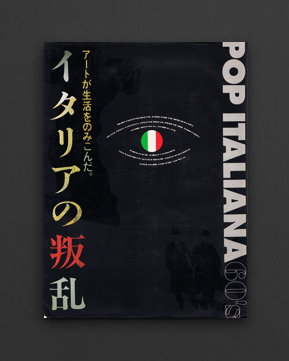
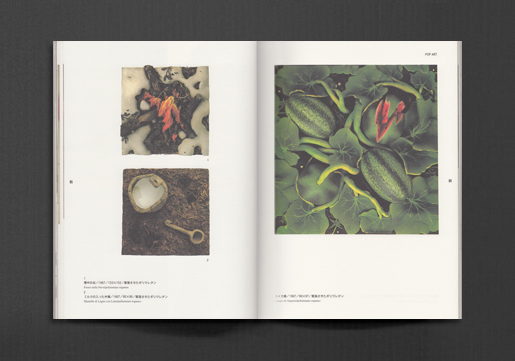
A fine copy of this scarce Japanese book on POP in Italian Art and Design in the 1960s, published on the occasion of the exhibition "l'Italia Negli Anni Della Pop", 12 Dec 1992 - 17 Feb 1993 at Vente Museum, Tokyo, organised by Fujita Vente.
Features colour-illustrated profiles on Michelangelo Pistoletto, Enzo Mari, Superstudio, Ettore Sottsass Jr., Mario Schifano, Domenico Gnoli, Mario Ceroli, Franco Angeli, Marco Zannuzo, Achille Castiglioni, Vico Magistretti, Angelo Mangiarotti, Concetto Pozzati, Tano Festa, Gianni Pareschi, Lapo Binazzi, UFO, and Studio 65.
2014, English
Softcover, 450 pages, 23 x 30 cm
Published by
Purple Institute / Paris
$49.00 - Out of stock
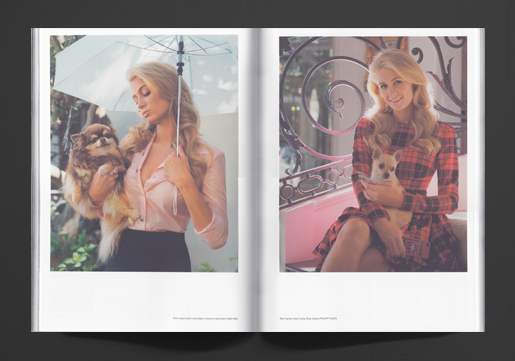
Featuring Paul McCarthy, Barbara Kruger, Marianne Faithfull, Olaf Breuning, Paris Hilton, Toilet Paper, Jean-Luc Godard, Bob Nickas, Larry Clark, the first issue of "Purple Travel" and a Tom Sachs studio book from Purple Books, plus much more.
Purple is a bi-annual fashion and art magazine that celebrates the work of the best and most relevant figures in fashion, photography and contemporary art from around the world.
Due to the weight of this volume, your order may incur additional postage costs. We will contact you with the best shipping advice upon your order, or alternatively, please email us in advance. Thank you for understanding.
2012, English
Softcover, 100 pages, 13 x 21.5 cm
3rd edition, 3rd size, 5000 copies,
Published by
Dent De Leone / London
$28.00 - Out of stock
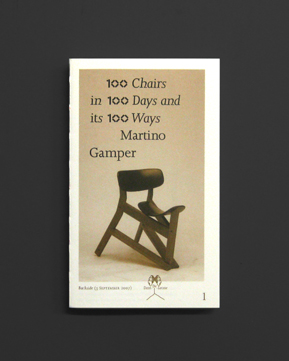
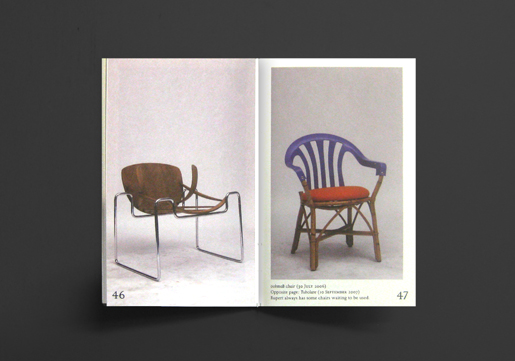
100 Chairs in 100 Days and its 100 Ways
3rd Edition 3rd Size
A recalled dialogue from some time ago:
Martino: I will make 100 chairs
åbäke: What, the same one 100 times?
M: No, they will be different. They’ll be actual size 3D sketching, somehow, you know, instead of drawing on a piece of paper.
å: Sounds great. Do it in 100 days then.
1993, English
Softcover, 160 pages (220 colour and 130 b&w ill.), 25.5 x 30.5 cm
1st Edition, Out of print title / Used*,
$70.00 - Out of stock
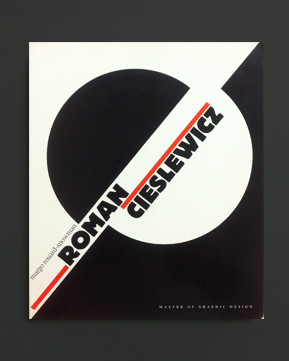
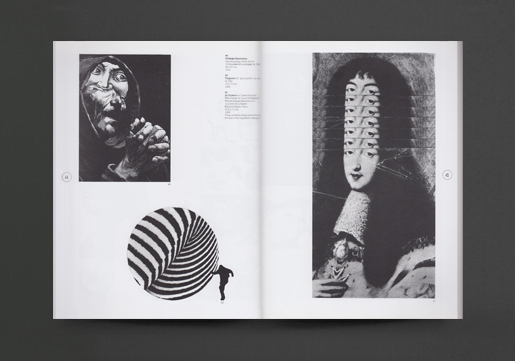
1st edition of this major monograph on the iconic work of Polish graphic artist Roman Cieslewicz, published in 1993.
Roman Cieslewicz is one of a handful of graphic artists who have attained worldwide recognition. Over 30 years or more of concentrated activity, he has created posters, book jackets and advertisements which have become modern icons of graphic art.
A Pole who has lived all his professional life in France, Cieslewicz has constantly broken new ground, using imaginative collage, photomontage, and typography in campaigns to sell specific products, in announcements and publicity for all sorts of cultural events, and indeed in making incisive political comments on our times. Best known for a number of unforgettable images, all of which are reproduced in this book, Cieslewicz continues to set the pace in an extremely competitive field. His use of bold colours and basic shapes, combined with his refined hard-edge technique, gives him an unmistakable and immediately recognizable image, while his ability to shock and amuse sets him apart from most of his colleagues.
2014, English / French / German
Softcover, 398 pages, 21 × 28 cm
Published by
Novembre / Lausanne
$33.00 - Out of stock
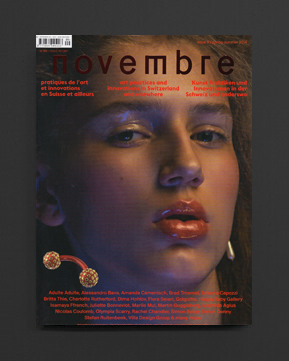
Arts and Fashion Practices from Switzerland and The World.
Novembre 9: Juliette Bonneviot , Marlie Mul, Alessandro Bava, Amanda Camenisch, Kazuko Kitaoka Simon Denny, Florian Joye, Florence Tétier, Jeanne-Salomé Rochat, Louis Backhouse, Georgia Pendlebury, Luc Andrié, Nicolas Coulomb, Florian Joye, Anne Wiss, Antoine Seiter, Morgane Nicolas, Marisa Makin, Mathilde Agius, Lena Fleischer, Simona la Gioia, Tiphanie Mall, Dan Hoy, Daniela Koller, Golgotha, Wilkosz and Way, Jana Kalgajeva, Ella Plevin, Gabor Szabo, Daniel Swan, Guillaume Pilet, Flora Miranda Seierl, Yuri Pattison, Dima Hohlov, John Colver, Philippe Tholimet, Ariel Yeh, Paul Isaac, Jude Singleton, Kim Treacy, Studio Private, Guillaume Blondiau, Samia Giobellina, Aneesha Sangha, Charlotte Rutherford, Soki Mak, Jake Gallagher, Asher Coleman, Julia Burlingham, Alexa Karolinski, Natascha Goldenberg, IG Star Trek USS K’Ehleyr, Uslu Airlines, Britta Thie, Simon Baker, Emma Gradin, Clément Delépine, Alexandre Stipanovich, Rachel Chandler, Tom Guinness, Olympia Scarry, Neville Wakefield, Virginie Yassef, Joan Ayrton, Brad Troemel, Brianna Capozzi, Julia Ehrlich, Isamaya Ffrench, Chiao Shen, Pauline Croce, Josh Wilks, Chloë Le Drëzen, Simon Lewis, and many more....
Under the candid caption “arts and fashion in Switzerland and the world”, Novembre activates intergenerational discussions, producing international content that explores the critical stakes inherent to the Swiss identity: its neutrality notably fortifies its supposed integrity and inviolability, whilst placing the Confederation in an extremely productive and influential position within the arts on a global level.
Through the organic association of fashion, design and art, Novembre highlights the products which proliferate in schools, studios, galleries, showrooms, institutions, trade shows, fairs, hotels and bank lobbies and living rooms – addressing issues of integration, independence, equality, and exchange.
Novembre is currently published and independently by Florence Tétier (Paris), Florian Joye (Lausanne), and Jeanne-Salomé Rochat (Berlin), who united after their graduation from ECAL University of Arts, Switzerland.
1988, German / Italian
Softcover, 94 pages, 18 x 24 cm
1st edition, Out of print title / used*,
Published by
Alessi / Italy
$45.00 - Out of stock
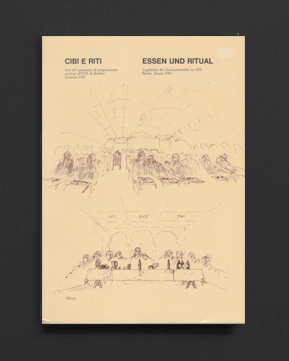
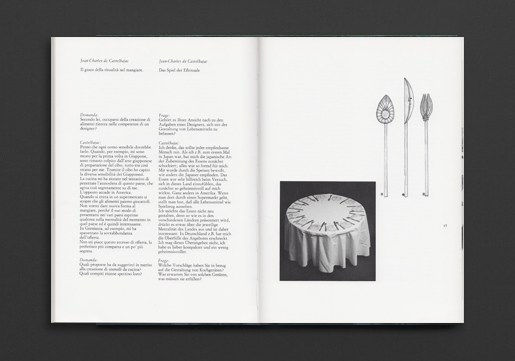
Published by Alessi in 1988, this scarce volume reports on a unique seminar and exhibition "Esslandschaften" at Internationales Design Zentrum Berlin IDZ, Berlin in 1981.
Volume edited by François Burkhardt. Contributions by Alessandro Mendini, Peter Kubelka, Hans Hollein, Jean-Charles de Castelbajac, Peter Cook, Ettore Sottsass Jr., Richard Sapper, Stefan Wewerka.
Text in Italian and German.
2014, English
Hardcover (in heavy slipcase), 120 cardboard pages, 29 cm x 22 cm
Published by
Deste Foundation / Athens
Toilet Paper / Bologna
Walther König / Köln
$80.00 - Out of stock
Photographs by Maurizio Cattelan & Pieropaolo Ferrari
Published by Deste Foundation/Toilet Paper
Preface by Maria Cristina Didero. Drawings by Alessandro Mendini.
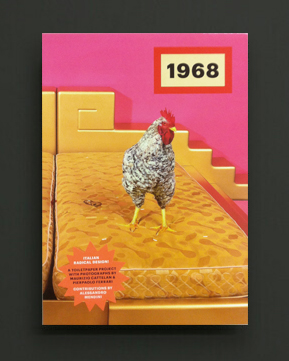
1968: Radical Italian Design, the newest project from Maurizio Cattelan and Pierpaolo Ferrari’s Toilet Paper in collaboration with the Deste Foundation in Athens, offers an unorthodox, kaleidoscopic walk through the Dakis Joannou collection of Italian Radical Design furniture.
Led by avant-garde design firms such as Archizoom, Superstudio, Global Tools and 9999, Radical Design was firmly opposed to the ethics, and indeed the very notion of, "good design" or taste. Toilet Paper’s bold, mischievous interpretation of Joannou’s collection results in delightful, high-contrast photographs that merge the seductive lines of Radical Design furniture and objects with the curves of the modern-day nymphs cavorting among them. Published as a board book, and named after a year that was pivotal for architecture and design (and, of course, the world at large), 1968 is a collection of dreams and nightmares, an inspiring, eye-popping compendium of colorful, ironic objects and bodies. At once charmingly retro and alarmingly surreal, 1968 includes drawings by one of the Radical Design movement’s foremost architects, Alessandro Mendini.
Due to the weight of this volume, your order will possibly incur additional postage costs. We will contact you with the best shipping advice upon your order, or alternatively, please email us in advance. Thank you for understanding.
2014, English
Softcover (spiral bound), 96 pages (colour & b/w ill.), 16.5 x 24 cm
Published by
Walther König / Köln
$32.00 - Out of stock
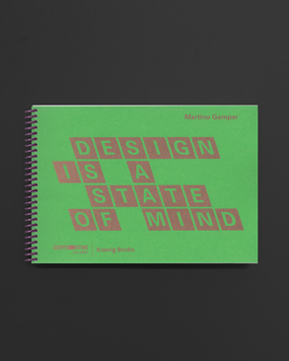
“There is no perfect design and there is no über-design. Objects talk to us personally. Some might be more functional than others, and the emotional attachment is very individual. This exhibition showcases a very personal way of collecting and gathering objects – these are pieces that tell a tale” - Martino Gamper
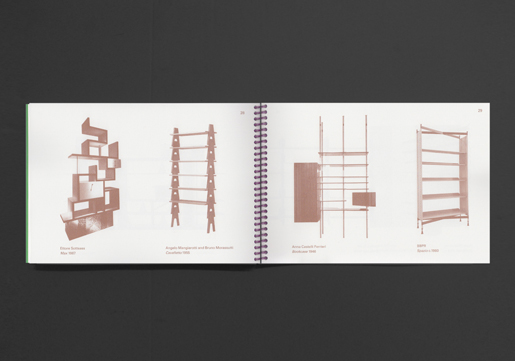
Serpentine Galleries has invited influential London-based Italian designer Martino Gamper to guest-curate a new exhibition and to edit this publication. It presents a landscape of shelving systems, telling the story of design objects and their impact on our lives.
1983, Italian
Softcover, 177 pages, 18.5 cm × 15 cm
1st edition, Out of print title / used*,
Published by
Firenze Alinea Editrice / Italy
$160.00 - Out of stock
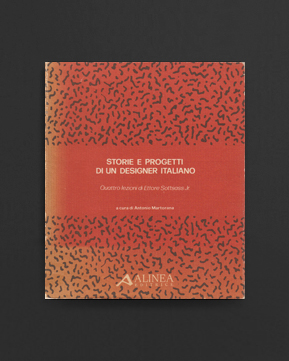
Handsome and very rare book on the concepts, stories and project research of Italian designer and architect Ettore Sottsass. Edited by Antonio Martorana and published by Firenze Alinea Editrice in 1983, this book is densely packed with the writings, reflections and ideas of Ettore Sottsass, illustrated by many of his drawings, plans and photographs rarely seen elsewhere.
Very scarce first edition, with all texts in Italian.
1989, English
Hardcover (w. dust jacket), 325 pages (619 colour and b/w ill.), 23 x 31 cm
1st Edition, Out of print title / As New*,
Published by
Prestel / Munich
$70.00 - Out of stock
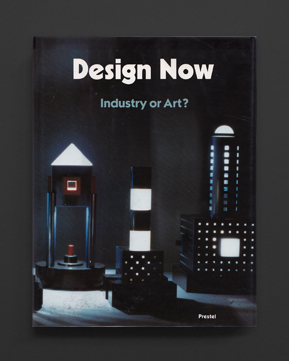
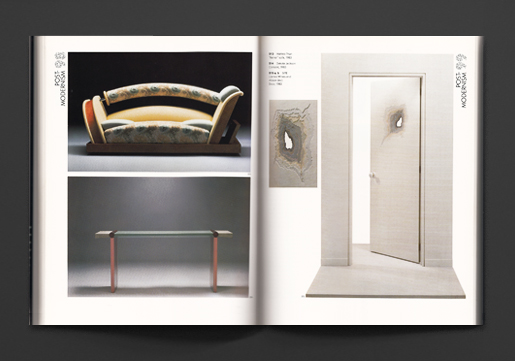
Published by Prestel Munich, in 1989, this wonderful, richly illustrated and stylishly designed book covers the entire range of design in the late 1980's and it's predecessors. With sections dedicated to themes and subjects such as Exemplars; High Tech; Trans High Tech; Alchimia/Memphis; Post-Modernism; Minimalism; Archetypes; plus dense profile chapters on Dieter Rams, Stefan Wewerka and Holger Scheel; and essay sections from Matteo Thun ("Neo-Baroque Yardsticks"; "Micro-Architecture"; "Banal Design"), Volker Albus ("Rolex and Manhattan: Skyscraper Symbolism in Advertising") and Jochen Gros ("Small but Sophisticated: Microelectronics and Design"). Featuring fantastic photo-documentation and archival imagery of some of the finest and most radical design-objects of the period, including work by Frank Gehry, Hans Hollien, Michael Graves, Robert Venturi, Norbert Berghof, Aldo Rossi, Zeus, Shiro Kuramata, Philippe Starck, Dakota Jackson, Stanley Tigerman, Marcus Brotsch, Jorg Hieronymous, Michael Matuschka, Stefan Ambrozus, Michele De Lucchi, Ettore Sottsass, Ron Arad, Gaetano Pesce, George J. Sowden, Peter Shire, Martine Bedin, Carla Ceccariglia, Alessandro Mendini, Bruno Gregori, Ingo Maurer, Till Lesser, Gerard Kuijpers, Mario Botta, Jean-Marc da Costa, Piero Vendruscolo, Heide Warlamis, Robert A.M. Stern, Robert and Trix Hausmann, Stanley Tigerman, Margaret McCurry, Steven Holl, Danilo Silvestrin, Dieter Rams, Stefan Wewerka, Daniel Weil, Holger Scheel, Matteo Thun, SITE, and so many more, this generous publication is a must for any enthusiast of design from this period.
Edited by Volker Fischer, deputy director of the German Architecture Museum, Frankfurt.
2013, English / Italian
Softcover, 80 pages, 17 x 24 cm
Published by
Corraini / Italy
$25.00 - Out of stock
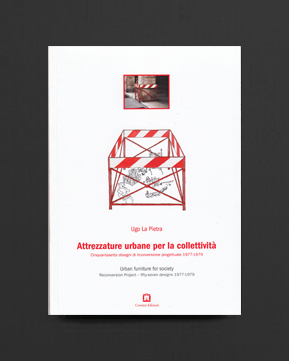
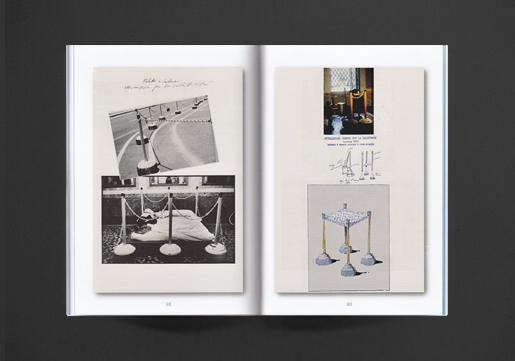
Ugo La Pietra has been closely involved in street design since the Sixties. Many projects have inspired him but the most common has been how to overcome the barriers between public realm and the private. Starting from the concept Living is being at home everywhere La Pietra uses his studies on objects found in Milan, their analysis and reconversion into domestic objects to light heartedly illustrate the huge difference between our private space (which we fill with comfortable pieces of furniture to express our identity) and public space (characterized only by objects and tools that suggest violence and separation). Urban furniture for society is an illustrated book showing how Ugo La Pietra transforms street furniture into domestic furniture. With an introduction by Ugo La Pietra, Giacinto Di Pietrantonio and Riccardo Zelatore.
Born in 1938, in Bussi sul Tirino, Italy, Ugo La Pietra lives and works in Milan.
The 1960s and 1970s were a period of intense experimental activity for him during which he made significant contributions to radical design. His work attempts to clarify the relationship of “individual-environment.” Within the framework of this process he develops knowledge tools (“models for understanding”) that seek to transform the traditional “work-viewer” relationship. In the 1960s he explored the theme of the synesthésie des arts and during this period proposed urban interventions designed in rapport with the artworks of various artists (Fontana, Azuma…).
In 1967, he began his research on the theory of the “Unbalancing System” (“Sistema desequilibrante”) (1967-1972), which involves an attempt to intervene on physical space and territory, through symbolic actions, utilizing the image as a revelatory tool. In 1971, he designed urban audiovisual tools for “Trigon 1971” in Graz, Austria. He directed the film “La Grande Occasione” in 1972. He was a founding member of the “Global Tools” group (1973), an alternative school of architecture and design… In 1974, he organized the first exhibition of radical design, “Gli abiti dell’imperatore”, in Milan, Belgrade and Graz. A year later he won first prize at the Nancy Architectural Film Festival. U. La Pietra has organized many exhibitions: for the International Center of Brera in Milan (1975-1979), the Milan Triennale (since 1968), the Venice Biennale, and the “Abitare il tempo” events in Verona (1986-1997)…
His work was featured in the landmark exhibition “Italy: The new domestic landscape,” MOMA, 1972, and in the Venice Biennale, 1970 and 1978, and Milan Triennale, 1972, amongst countless others.